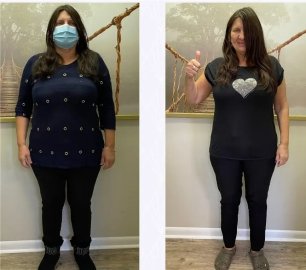
Belly fat before and after results vary widely, but most people see gradual change over months, not weeks. Steady loss of about 1 to 2 pounds per week is generally considered safe by the CDC, and even a 5% to 10% drop in body weight can improve health markers. Your starting point, age, hormones, sleep, and medical history all shape how visible the change is.
This guide explains what a belly fat transformation realistically looks like, why photos can mislead, and what helps results last.
What Do Belly Fat Before and After Results Actually Look Like?
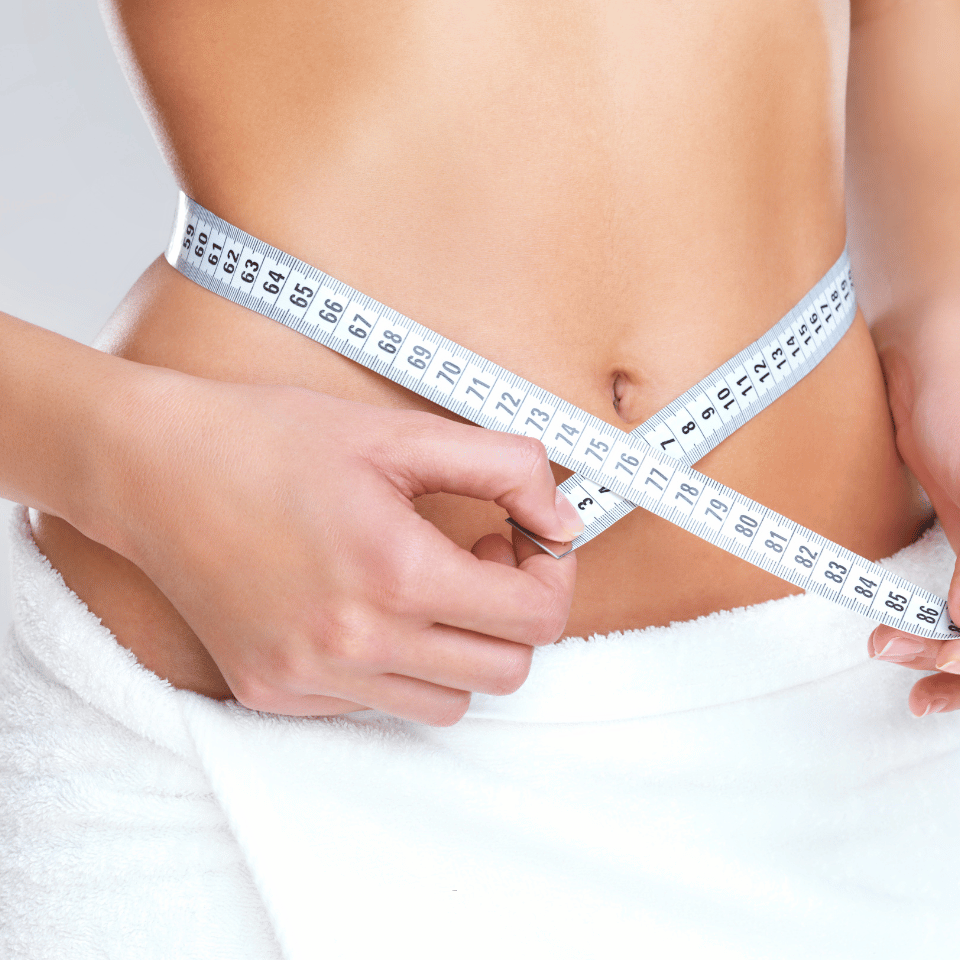
Real results are usually gradual: a smaller waist measurement, looser waistbands, and a flatter profile, rather than a dramatic overnight change.
Belly fat comes in two types:
- Subcutaneous fat sits under the skin and is the fat you can pinch.
- Visceral fat surrounds your organs and is linked to higher health risks.
Visceral fat often responds to weight loss before the visible “pinchable” layer does. That’s why some people feel better, with improved energy or blood pressure, before they see much difference in the mirror.
For general reference, the NIH identifies a waist measurement above 40 inches for men or 35 inches for women as a marker of increased health risk. Your own goal should be set with your healthcare provider.
A Realistic Belly Fat Loss Timeline
Every body moves at its own pace, but here is a general pattern:
- Weeks 1–4: Early changes often come from reduced bloating and water retention. Clothes may fit slightly differently.
- Months 2–3: Waist measurements usually begin to shift. Photos taken in the same lighting and pose start to show subtle differences.
- Months 4–6 and beyond: Changes become easier to see, especially with consistent nutrition, activity, and sleep.
Faster isn’t always better. Our guide on healthy vs. rapid weight loss explains why slower loss tends to be easier to maintain.
Why Belly Fat Transformation Before and After Photos Can Mislead
Photos capture a moment, not the full story. Several things can exaggerate or hide real progress:
- Lighting and angles: Overhead lighting and a relaxed posture can look very different from a flexed, well-lit “after” shot.
- Time of day: Bloating changes throughout the day, especially after meals.
- Time frame: A photo gap of two years looks very different from one of two months.
- Other changes: Exercise, posture, and muscle tone can change how your midsection looks without a big change on the scale.
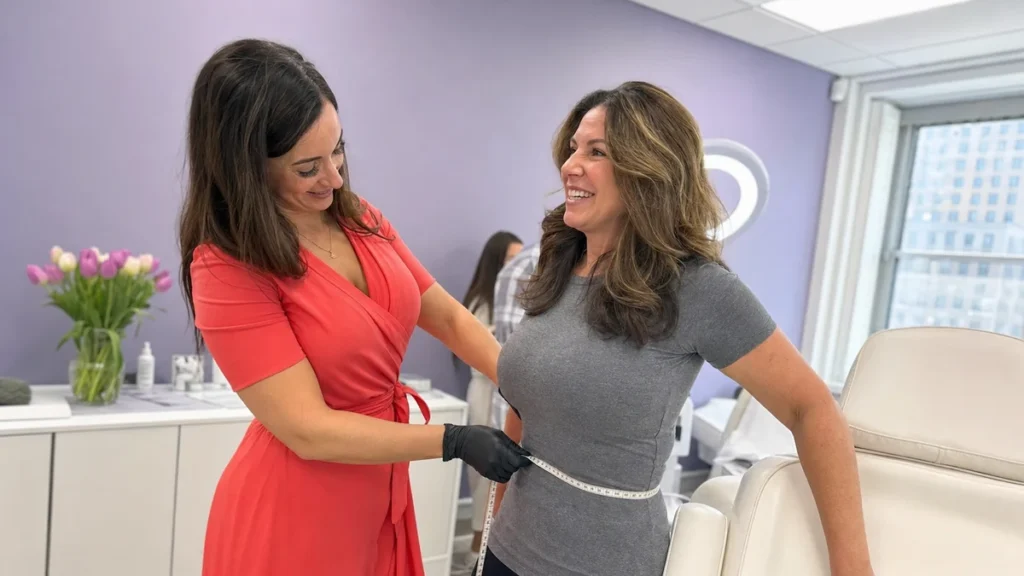
For a fair comparison, take photos monthly in the same spot, at the same time of day, in similar clothing. Track waist measurements too. You can also review signs your weight loss plan is working beyond the scale.
What Affects Belly Fat Loss Results?
Belly fat loss results depend on several individual factors:
- Starting weight and body composition: People with more weight to lose often see faster early changes.
- Hormones: Stress hormones, thyroid function, insulin resistance, and menopause can all influence how much weight you lose and where your body stores fat. See how hormones affect weight loss.
- Age: Metabolism and muscle mass tend to shift over time, which is why losing weight gets harder with age.
- Sleep and stress: Poor sleep and chronic stress can make appetite and fat storage harder to manage.
- Medical conditions and medications: Some can slow progress. A provider can help identify them.
One common myth: you can’t spot-reduce belly fat. Crunches strengthen abdominal muscles, but the body decides where fat comes off. Overall fat loss is what shrinks the midsection.
Can Medical Weight Loss Change Your Results?
For some adults, medical support can make a meaningful difference, particularly when diet and exercise alone haven’t worked. A medically supervised weight loss program with Dr. B typically begins with a health review, then builds a plan around your needs, which may include nutrition guidance, lab work, and prescription options when appropriate.
GLP-1 medications are one option providers discuss. In a major published clinical trial of FDA-approved semaglutide (2.4 mg weekly), adults with overweight or obesity lost an average of about 15% of their body weight over 68 weeks, alongside lifestyle changes. Individual results vary widely, and these medications aren’t right for everyone. Side effects, eligibility, and cost depend on the individual and provider. Results in real life vary, and these medications aren’t right for everyone. Side effects, eligibility, and cost depend on the individual and provider.
If you’re curious, you can learn more about semaglutide weight loss injections, compare semaglutide and tirzepatide, or read what to expect in the first month on a GLP-1 medication.
What About Loose Skin After Belly Fat Loss?
Skin elasticity depends on age, genetics, how much weight was lost, and how quickly. Slower loss, adequate protein, and strength training can help, but they don’t guarantee tight skin. With substantial weight loss, some people notice extra skin even when the fat is gone. Read more on loose skin after weight loss and treatment options.
How to Keep Your Results
Keeping weight off is often harder than losing it. Habits matter more than short-term intensity, so focus on consistent meals, regular movement, enough sleep, and ongoing check-ins. These habits that support lasting weight loss are a practical starting point. If you use medication, ask your provider what happens when you stop, since weight regain is possible.
Talk With a Provider About Your Weight Loss Goals
Belly fat results come from steady habits, realistic expectations, and the right support. Before and after photos can inspire you, but your own timeline, health, and goals matter more than anyone else’s transformation. If you’re unsure where to begin, a consultation with Dr. B, a physician certified in aesthetic medicine with over 20 years of experience in Internal Medicine, can help you understand your options and set safe, realistic targets that fit your body. Book your visit at our Northeast Philadelphia clinic today.
Avellina Aesthetics serves patients across the region, including Abington, Delaware, Southampton, Maryland, Hamilton, Allentown, Horsham, and Huntingdon Valley.
Frequently Asked Questions
How long does it take to see belly fat results?
Most people notice early changes, like less bloating and looser clothing, within the first few weeks. Subtle visible changes in the midsection more often appear after two to three months of consistent effort, with clearer changes by months four to six. Timing varies with starting weight, habits, hormones, and medical factors.
Can you lose belly fat without losing weight elsewhere?
Not on purpose. Your body decides where fat comes off, so targeted exercises can't remove fat from one area. Many people do notice their waist shrinking first or last, depending on genetics, age, and hormones.
Is belly fat harder to lose than other fat?
For many people it feels that way. Hormones, stress, sleep, and age influence abdominal fat storage. Visceral fat often responds well to overall weight loss and activity, even when the visible change takes longer.
Do before and after photos show typical results?
Not always. Photos can be affected by lighting, posture, and timing, and they usually highlight the best outcomes. Treat them as examples, not promises, and compare your own progress using consistent photos and measurements.
Does Kybella work for belly fat?
Kybella is FDA-approved for fat under the chin, not the abdomen. Belly fat is generally approached through overall weight management. A provider can explain which options fit your goals.
When should I see a doctor about belly fat?
Consider an appointment if you've tried lifestyle changes without progress, or if you have conditions like diabetes or high blood pressure. If your waist size changes suddenly, or you have abdominal swelling, pain, or other new symptoms, contact a doctor promptly, since these can have medical causes. Some medical conditions can affect weight, so a professional evaluation is useful.
Educational information; your clinician can advise on care that is appropriate for you.