
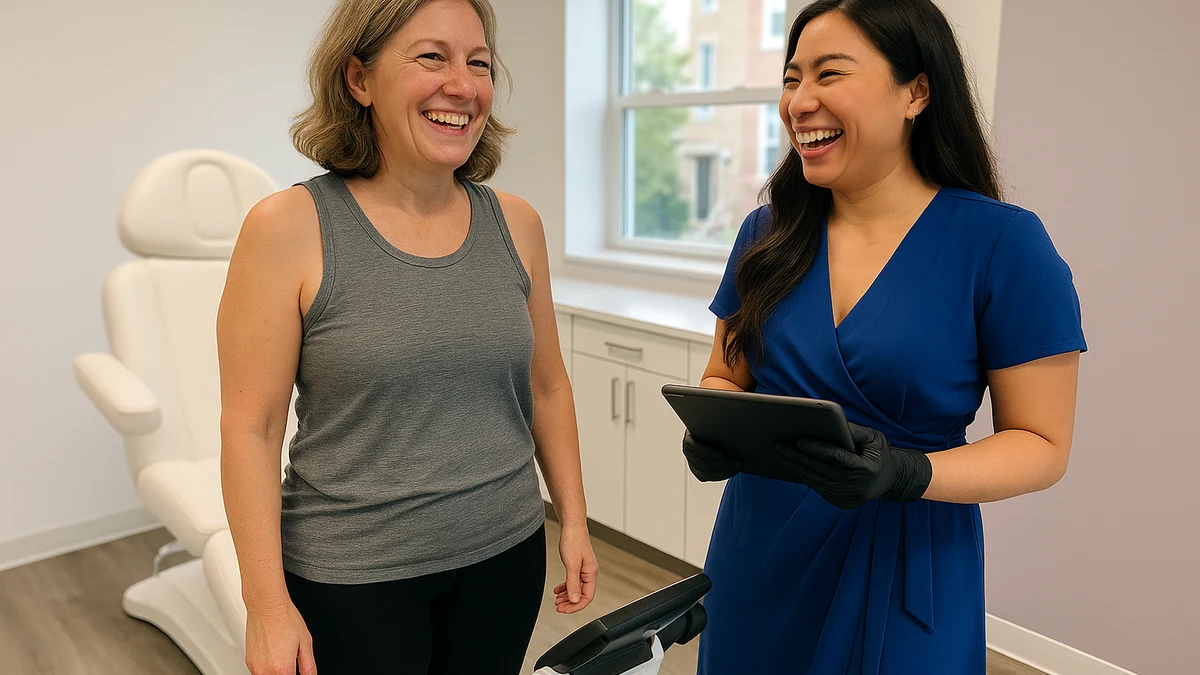
If you’ve tried diet after diet in Southampton, Pennsylvania without lasting results, medical weight loss offers a physician-guided path forward. This approach pairs prescription medication, lab monitoring, and lifestyle coaching so your body sheds fat safely instead of losing muscle or water weight. At Avellina Aesthetics, patients throughout Bucks County receive individualized plans built around their metabolism, health history, and goals rather than a generic diet template. Below is an overview of how medical weight loss works, who benefits most, what a typical program includes, and answers to the questions Southampton patients ask most before getting started.
What Is Medical Weight Loss?
Medical weight loss is a physician-supervised approach to losing weight that combines prescription medication, nutritional guidance, and regular check-ins to track progress and adjust treatment as needed. Unlike commercial diet plans, it accounts for a patient’s bloodwork, metabolic rate, medication history, and any underlying conditions that may be making weight loss harder than it should be. The goal isn’t a temporary drop on the scale — it’s a sustainable shift in body composition that a patient can maintain long after treatment ends.
Why It Works Better Than Dieting Alone
Most diets fail not because patients lack willpower, but because they ignore the biology behind hunger, metabolism, and fat storage. A medically supervised program addresses those factors directly:
- Prescription medication that reduces appetite and slows digestion, making calorie reduction feel manageable
- Lab work that identifies thyroid, insulin, or hormonal issues working against weight loss
- Ongoing dose adjustments based on how the body actually responds, rather than a fixed timeline
- Nutrition and activity coaching that supports the medication instead of relying on willpower alone
Who Is a Good Candidate for Weight Loss Treatment in Southampton?
Medical weight loss is typically appropriate for adults who have struggled to lose weight through diet and exercise alone, or who carry excess weight that affects their health, mobility, or energy. Common candidates include:
- Adults with a body mass index (BMI) of 30 or higher, or a BMI of 27 or higher combined with a weight-related health condition
- Patients who have plateaued after previous weight loss attempts
- Individuals managing type 2 diabetes, prediabetes, or metabolic syndrome
- Patients preparing for a procedure, pregnancy, or major life event who need medical guidance
A consultation and basic lab panel confirm candidacy and rule out any conditions that would change the recommended approach.
How the Program Works: Step by Step
Step 1: Initial Consultation and Health Assessment
The process starts with a detailed intake — current weight, medical history, prior weight loss attempts, and lab work. Patients often find it helpful to read about your first weight loss consultation beforehand so they know what questions to ask and what to bring.
Step 2: A Personalized Treatment Plan
Based on the assessment, the provider builds a plan that may include prescription-based semaglutide injections, nutritional targets, and an activity plan tailored to the patient’s starting point and goals.
Step 3: Ongoing Monitoring and Adjustments
Regular follow-up visits track weight, side effects, and lab markers so dosing can be adjusted. This step is what separates medical weight loss from over-the-counter supplements or app-based diet plans — the plan changes as the patient’s body changes.
Semaglutide and Other Medical Weight Loss Options
Semaglutide injections are one of the most requested options because they curb appetite and support steady, predictable fat loss. For patients who want additional metabolic support between semaglutide doses, the practice’s B-Lean IV therapy — a vitamin and amino acid infusion — is often layered into the plan to help maintain energy while calorie intake is reduced.
Every patient’s plan is built individually, and the full range of options is outlined on the practice’s medical weight loss program page, including dosing schedules and what to expect at each stage of treatment.
Rapid Weight Loss vs Gradual, Sustainable Results
It’s natural to want fast results, but the speed of weight loss matters for how well the results hold up. A closer look at the difference between rapid and gradual weight loss explains why a steady, medically monitored pace generally leads to better long-term outcomes than aggressive, unsupervised approaches.
Supporting Your Body Through the Weight Loss Process
Weight loss puts new demands on the body, and patients often benefit from care that goes beyond the injections themselves. Routine internal medicine evaluations help confirm that blood pressure, cholesterol, and blood sugar are moving in the right direction as weight drops.
Patients dealing with fatigue or low energy during treatment sometimes add immune-support IV kits to their plan, replenishing vitamins and fluids that can run low during a calorie deficit.
What Happens to Your Skin and Body As You Lose Weight
Significant weight loss can change skin elasticity, especially after losing a large amount of weight quickly. The practice’s article on loose skin after significant weight loss covers what to expect and which treatments can help firm and tighten skin once a patient reaches their goal weight.
Health Benefits Beyond the Scale
Weight loss done under medical supervision tends to improve more than appearance. Patients frequently see measurable improvements in blood pressure, cholesterol, blood sugar, joint pain, and sleep quality within the first few months of treatment.
For patients specifically managing hypertension, the link between weight loss and blood pressure is worth reading, since even a modest reduction in body weight can meaningfully lower blood pressure readings.
Safety and Realistic Expectations
Medical weight loss is generally safe when supervised by a licensed provider who monitors dosing and side effects. Patients should still expect gradual, individualized results rather than a fixed number of pounds per week. CDC’s guidance on losing weight safely reinforces that sustainable weight loss of about 1 to 2 pounds per week, paired with lifestyle changes, produces the most durable results.
Why Choose Avellina Aesthetics for Weight Loss in Southampton, PA
Avellina Aesthetics combines medical oversight with an aesthetics-trained team, so weight loss care is coordinated with skin, energy, and overall wellness goals rather than treated as a single isolated service. Plans are adjusted based on real lab results and in-person follow-up, not a generic protocol applied to every patient. For Southampton-area patients, that means a program built around their own health picture from the very first visit.
Key Takeaways
Medical weight loss combines prescription medications, lab monitoring, and personalized coaching to support sustainable results. Candidates typically include adults with a higher BMI, weight-related health conditions, or a history of struggling with weight loss plateaus. Treatment plans are tailored to individual needs and adjusted during follow-up visits based on progress and health goals. Common options include semaglutide and B-Lean injections, often paired with nutrition and physical activity guidance. A gradual weight loss pace of approximately 1 to 2 pounds per week is generally associated with more sustainable, long-term results.
Start Your Weight Loss Journey Today
Losing weight safely and keeping it off usually comes down to having the right medical support behind the plan. Avellina Aesthetics works with patients throughout Southampton to build a weight loss program based on real health data rather than guesswork. Schedule a consultation to find out which treatment approach fits your goals and health history.
Proudly serving patients in Philadelphia, Allentown, Bucks County, Abington, Maryland, Delaware, and Huntingdon Valley.
Frequently Asked Questions
Most patients lose roughly 1 to 2 pounds per week once treatment is underway, though the pace varies based on starting weight, dosage, and adherence to the nutrition plan. A steady pace is generally a sign the plan is working correctly.
Semaglutide has been studied extensively for weight management and is considered safe for eligible adults under medical supervision. Regular follow-up visits allow the provider to monitor side effects and adjust the dose as needed.
No. While many patients have a higher BMI, medical weight loss is also appropriate for patients who are moderately overweight but dealing with a related health condition, or who have plateaued despite consistent effort.
Coverage varies by plan and by medication, and some insurers require documentation of prior weight loss attempts or a qualifying diagnosis. The team can review a patient's specific plan during the consultation.
Many patients notice reduced appetite within the first one to two weeks, with visible weight loss typically becoming noticeable within the first month as dosing is optimized.
Yes. Many patients pair weight loss treatment with skin-tightening or body-contouring services once they reach their target weight, since loose skin is a common concern after significant loss.
Patients should bring a list of current medications, recent lab work if available, and a general history of past weight loss attempts. This information helps the provider build an accurate starting plan.
No. The program is designed for a range of patients, including those who are moderately overweight, have plateaued, or want medical guidance to lose weight more efficiently and safely than they could on their own.