
Counting calories, joining a gym, trying every trending diet, and still watching the scale refuse to budge is exhausting. If that sounds familiar, the problem usually is not willpower. It is biology, and biology responds best to medicine. Medical weight loss in Huntingdon Valley gives residents a physician-supervised path that treats weight as a health condition rather than a character test.
In short: medical weight loss is a doctor-directed program that combines prescription medications such as GLP-1 injections, baseline lab testing, personalized nutrition planning, and regular check-ins to help you lose weight safely and keep it off. Avellina Aesthetics delivers this level of care just minutes from Huntingdon Valley at its Northeast Philadelphia clinic.
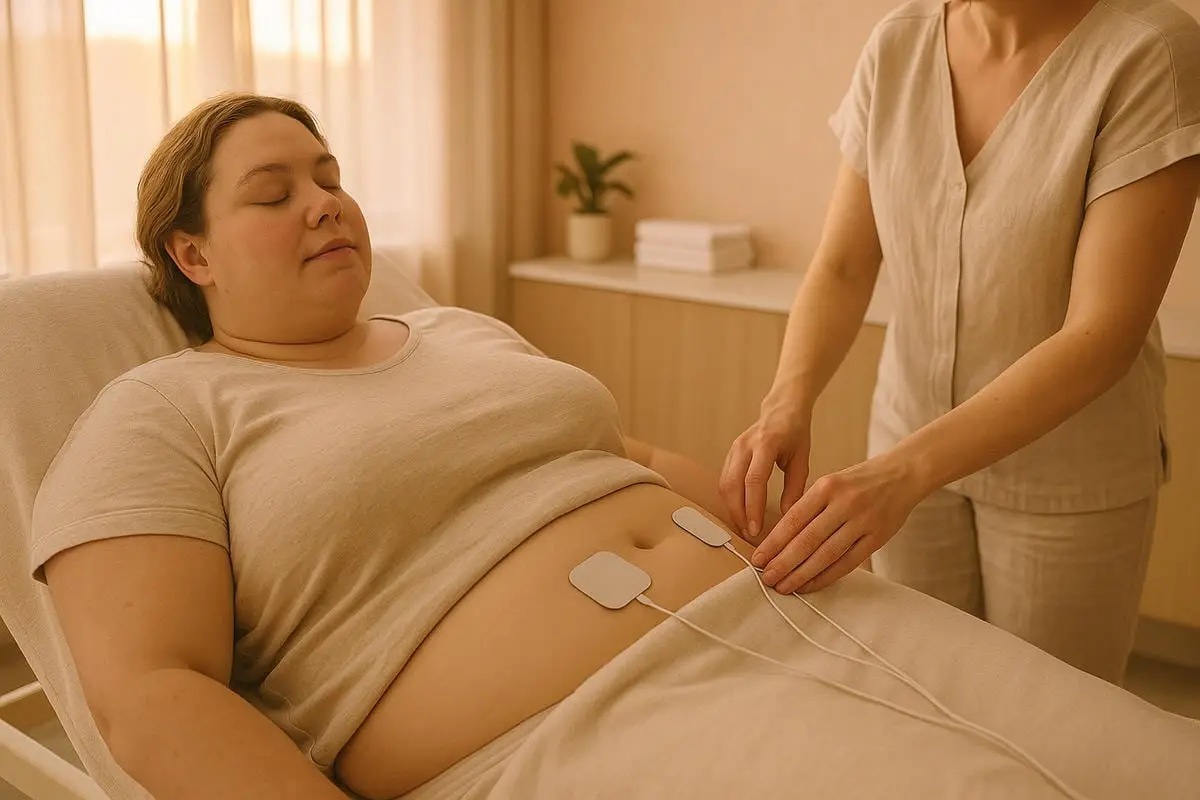
What Is Medical Weight Loss?
Medical weight loss is a structured program supervised by a licensed physician who evaluates your health history, metabolism, current medications, and lab results before building a plan around your body rather than a generic template. Instead of guessing which diet might work, your provider identifies what is actually driving weight gain and prescribes evidence-based treatment to address it.
A complete program typically includes:
- A full medical evaluation with bloodwork to screen thyroid function, blood sugar, and metabolic markers
- FDA-approved prescription medications, including GLP-1 injections, when clinically appropriate
- A realistic nutrition and activity plan matched to your schedule and preferences
- Scheduled follow-up visits to adjust dosing and track body composition
- Accountability and support from a medical team, not an app
Why Dieting Alone Rarely Works Long Term
Roughly 80 percent of people who lose weight through diet alone regain it within a few years. That is not a personal failing. When you cut calories sharply, your body slows its metabolism, ramps up hunger hormones like ghrelin, and fights to return to its previous set point. Skipping meals, over-restricting, and chasing quick fixes rank among the missteps that quietly stall progress on the scale, and correcting them early makes everything that follows more effective.
Hormones deserve special attention here. Insulin resistance, thyroid imbalance, elevated cortisol from chronic stress, and the metabolic shifts of perimenopause can all make fat loss dramatically harder. Our physicians test for these issues at the outset, because the influence hormones exert over stubborn body fat is often the missing piece for patients who have done everything right on paper.
Weight Loss Treatment Options for Huntingdon Valley Patients
No two patients arrive with the same metabolism, so no two treatment plans should look identical. After your evaluation, your provider will recommend one or more of the following options.
Semaglutide Injections
Semaglutide is a once-weekly GLP-1 injection that mimics a natural gut hormone to reduce appetite, slow stomach emptying, and quiet the constant food noise many patients describe. In clinical trials, participants lost an average of about 15 percent of their body weight over 68 weeks when the medication was paired with lifestyle support.
Tirzepatide
Tirzepatide activates two hormone receptors, GIP and GLP-1, and has produced average losses above 20 percent of body weight in trials, making it one of the most effective options available today. Deciding between these therapies comes down to your health profile, goals, and budget, and a side-by-side look at how the two leading GLP-1 medications differ in practice can help you arrive at your consultation informed.
Supportive Therapies
Alongside prescription medication, many patients benefit from lipotropic and vitamin B12 injections that support energy and metabolism, plus structured nutrition coaching focused on protein intake, portion awareness, and habits you can actually sustain.
How Our Medical Weight Loss Program Works
From your first phone call to your maintenance plan, the process is straightforward:
- Consultation and lab testing. Dr. B reviews your history, orders bloodwork, and screens for conditions that affect weight.
- Personalized plan. You receive a medication recommendation, nutrition targets, and a realistic activity framework.
- Treatment begins. Injections start at a low dose and increase gradually to minimize side effects such as nausea.
- Ongoing monitoring. Regular visits track your weight, body composition, and labs so dosing stays optimized.
- Maintenance. Once you reach your goal, we build a taper or maintenance strategy to protect your results.
Patients who prefer to self-administer their weekly dose receive hands-on training first, and a practical walkthrough on giving yourself the injection correctly at home helps the routine feel second nature within a week or two.
Health Benefits That Go Beyond the Mirror
Losing even 5 to 10 percent of your body weight delivers measurable medical benefits: better blood sugar control, reduced joint pain, deeper sleep, improved cholesterol, and lower cardiovascular risk. The research connecting lower numbers on the scale with healthier blood pressure readings is one of the strongest arguments for treating weight medically rather than waiting.
Many patients also report improvements they never expected: steadier afternoon energy, less acid reflux, and the quiet relief of no longer thinking about food all day.
What Results Can You Expect?
Most patients on GLP-1 therapy lose one to two pounds per week after the initial dose-adjustment phase, which typically translates to 10 to 15 percent of body weight within six to nine months. Progress is rarely a straight line, and plateaus are a normal part of the process. A realistic month-by-month picture of the transformation patients typically experience along the way helps you set expectations you can meet.
Significant weight loss can also change how skin looks and feels, especially after age 40. Our clinical team offers firming treatments such as PDO threads and microneedling, along with proactive advice on keeping skin firm as the pounds come off.
Why Choose a Physician-Led Clinic Near Huntingdon Valley
Telehealth prescriptions and med spas without physician oversight have flooded the market, but weight loss medication is real medicine with real contraindications. At our clinic, every patient is evaluated and monitored by Dr. B, a physician experienced in both internal medicine and aesthetics. You get pharmaceutical-grade medication from verified sources, in-person follow-up, and a provider who answers your questions directly, all a short drive from Huntingdon Valley with free parking and Wednesday evening hours.
Key Takeaways
- Medical weight loss treats excess weight as a health condition, with physician oversight, lab testing, and FDA-approved medication
- GLP-1 therapies like semaglutide and tirzepatide produce average losses of 15 to 20 percent of body weight
- Hormonal and metabolic testing uncovers the hidden barriers that derail diet-only attempts
- Ongoing monitoring and a maintenance strategy protect your results after you reach your goal
Start Your Weight Loss Journey Close to Home
You do not need another diet. You need a medical partner who understands why your body holds onto weight and knows how to change that safely. Medical weight loss in Huntingdon Valley is closer and more accessible than most residents realize, and that first consultation is often the step that finally breaks the cycle. Patients visit us from Abington, Delaware, Southampton, Maryland, Hamilton, Allentown, Horsham, Huntingdon, Philadelphia, and Feasterville-Trevose. for physician-supervised care built around lasting results. Schedule your consultation with Avellina Aesthetics today at (215) 722-6022 and find out what your body can do with the right medical support behind it.
Frequently Asked Questions
Program costs vary based on the medication prescribed and visit frequency, with most patients investing a few hundred dollars per month. We provide transparent pricing at your consultation, and payment plans are available.
Yes, when supervised by a physician. GLP-1 medications are FDA-approved, and side effects such as mild nausea are usually temporary and managed through gradual dose increases. Screening labs help identify anyone who should not take them.
Most patients notice reduced appetite within the first one to two weeks and measurable weight loss within the first month. More significant results typically appear by weeks eight to twelve as dosing reaches therapeutic levels.
Candidates generally have a BMI of 30 or higher, or 27 or higher with a weight-related condition such as high blood pressure or prediabetes. A consultation and lab panel confirm eligibility.
Avellina Aesthetics is located at 2375 Woodward St, Suite 112 in Northeast Philadelphia, roughly a 10-to-15-minute drive from Huntingdon Valley.
No referral is needed. You can book directly with our office by phone or online, and your first visit includes the complete medical evaluation.
Some regain is possible if medication stops abruptly without habit changes. Our maintenance planning, gradual tapering, and nutrition coaching are designed specifically to protect your results for the long term.
Expect a health history review, weight and body composition measurements, bloodwork, and a candid conversation about your goals. Most patients leave with a complete treatment plan the same day.