
Carrying extra weight often has less to do with willpower and more to do with biology — medication side effects, thyroid function, or years of yo-yo dieting that slowed the metabolism down. Medical weight loss in Allentown, PA takes a different route than a generic diet plan: it starts with lab work and a physician-guided assessment, then builds a treatment plan around your actual health picture instead of a one-size-fits-all calorie chart. This page walks through how medical weight loss works, which treatments are typically used, who tends to benefit most, and what kind of results are realistic, so you can decide with confidence whether it’s the right next step for you.
What Is Medical Weight Loss and How Is It Different From Dieting Alone?
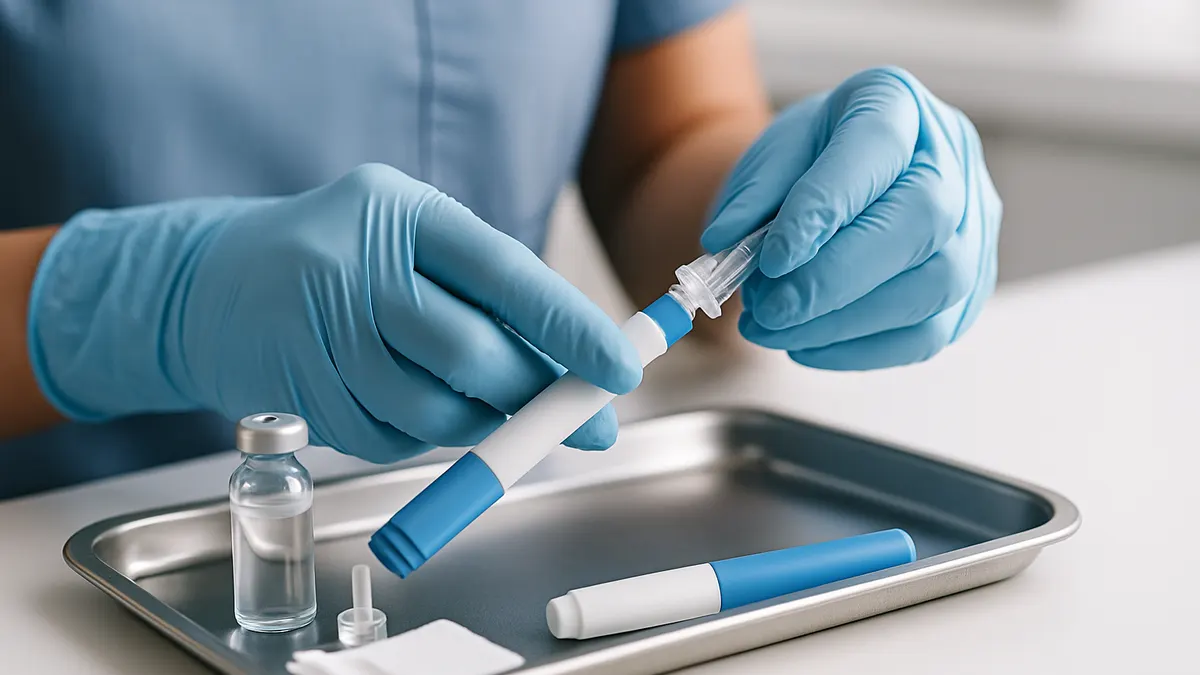
Medical weight loss is a physician-supervised program that combines lab testing, prescription medication when appropriate, nutrition guidance, and ongoing monitoring to help patients lose weight safely and keep it off. Unlike a generic diet app or a store-bought supplement, it treats weight as a medical issue tied to hormones, metabolism, insulin resistance, and other measurable factors, rather than a simple math problem of calories in versus calories out.
The real difference comes down to accountability and personalization. A medical weight loss provider reviews bloodwork and medical history, then adjusts the plan as your body responds, which is something no app or fad diet can replicate. Most patients start with the first weight loss consultation process, where the provider builds a baseline before recommending any treatment.
Why Are More Allentown Residents Choosing Medical Weight Loss Programs?
Interest in medically supervised weight loss has grown across the Lehigh Valley for a few practical reasons:
- Frustration with restrictive diets that produce short-term results and long-term rebound weight gain
- Wider access to GLP-1 medications like semaglutide and tirzepatide, which weren’t widely available a decade ago
- A better understanding that hormones, insulin resistance, and thyroid function play a real role in stubborn weight, not just diet and exercise habits
- Awareness of the extra challenges of losing weight with age, especially after 40, when metabolism and hormone levels shift
- A desire for real accountability through regular check-ins, lab monitoring, and a provider who adjusts the plan when progress stalls
- Growing recognition that excess weight contributes to blood pressure, joint strain, sleep quality, and long-term cardiovascular risk
How Does a Medical Weight Loss Program in Allentown Work?
Most programs follow a similar structure, even though the full range of medical weight loss options is tailored to each patient:
- Initial consultation and health history review, including current medications, past weight loss attempts, and lifestyle habits
- Lab work and body composition assessment to identify hormonal, metabolic, or thyroid factors influencing weight
- A personalized treatment plan built around your results, which may include medication, nutrition changes, or both
- Regular follow-up visits to track weight, adjust dosing, and troubleshoot plateaus
- Long-term maintenance planning once the target weight is reached, so results are sustainable rather than temporary
Because each plan is built from lab data rather than guesswork, patients typically avoid common mistakes that stall weight loss, such as under-eating, skipping strength training, or restarting the same diet that already failed once.
What Treatment Options Are Available for Medical Weight Loss in Allentown, PA?
Treatment is never one-size-fits-all. A provider typically draws from several tools and combines them based on your labs, goals, and health history, which is why a personalized weight loss plan tends to outperform a standard diet handout.
GLP-1 Medications: Semaglutide and Tirzepatide
GLP-1 receptor agonists work by slowing digestion and reducing appetite signals in the brain, which helps patients eat less without constant hunger. Choosing between semaglutide compared with tirzepatide usually depends on your metabolic profile, tolerance for side effects, and prior response to weight loss medications, which is something your provider will walk through during your evaluation.
Lipotropic and Vitamin B12 Injections
These injections combine amino acids and vitamins involved in the body’s natural fat-metabolism and energy pathways. They aren’t FDA-approved as standalone weight-loss treatments and haven’t been shown in clinical studies to independently cause fat loss, so your provider offers them only as an optional supportive add-on alongside a GLP-1 protocol or nutrition plan, never as a substitute for it.
Nutrition Counseling and Behavioral Coaching
Medication alone rarely produces lasting change without a plan for food choices, portion habits, and activity level. Nutrition counseling helps patients build habits that hold up after treatment ends, addressing underlying medical conditions that affect weight loss, such as insulin resistance, PCOS, or thyroid dysfunction, that diet changes alone can’t fix.
Who Is a Good Candidate for Medical Weight Loss?
Medical weight loss tends to be a strong fit for adults who:
- Have tried multiple diets or fitness programs with limited or short-lived results
- Carry a BMI that puts them at higher risk for diabetes, high blood pressure, or joint problems
- Have a hormonal or metabolic condition that makes weight loss unusually difficult
- Want ongoing medical supervision rather than a one-time plan with no follow-up
- Are prepared to commit to lab monitoring, follow-up visits, and lifestyle adjustments over several months
It is generally not recommended during pregnancy, for patients with certain thyroid cancers or a personal or family history of medullary thyroid carcinoma, or for anyone whose provider identifies a medical reason to avoid GLP-1 therapy. A full health screening during your consultation determines eligibility.
What Results Can You Realistically Expect?
Most patients on a GLP-1-based medical weight loss plan lose between 10% and 20% of their starting body weight over six to twelve months, though individual results vary based on starting weight, dosage, adherence, and metabolic health. Weight loss is typically gradual and steady rather than dramatic in the first week, which is intentional: slower, medically supervised loss is associated with better long-term maintenance and less muscle loss than crash dieting.
Progress is usually tracked in phases: an initial adjustment period as the body adapts to medication, a steady loss phase over several months, and a maintenance phase once the target weight is reached. Regular follow-ups let your provider fine-tune dosing, address side effects early, and change course if a plateau lasts longer than expected.
What Should You Look for in a Medical Weight Loss Provider in Allentown?
Not every weight loss clinic offers the same level of oversight. Before starting a program, it’s worth confirming that you’ll have access to:
- A licensed medical team that reviews labs and medical history before prescribing anything
- Transparent pricing, including how medication costs and follow-up visits are structured
- Clear guidance on insurance and Medicare coverage for semaglutide, since coverage varies widely by plan
- Regular check-ins rather than a single prescription with no follow-up
- A plan that adjusts over time instead of a fixed protocol applied to every patient
Key Takeaways
- Medical weight loss combines lab testing, medication when appropriate, and nutrition guidance under physician supervision
- GLP-1 medications like semaglutide and tirzepatide are commonly used but are only one part of a complete plan
- Personalized programs that adjust based on lab results tend to outperform generic diet plans
- Most patients see steady, sustainable loss over six to twelve months rather than rapid short-term results
- Choosing a provider with real medical oversight and consistent follow-up matters as much as the treatment itself
Why Choose Avellina Aesthetics for Medical Weight Loss?
Where you start a medical weight loss program matters just as much as the treatment itself, and that’s what sets Avellina Aesthetics apart from a typical commercial weight loss chain. Every consultation is led with more than 20 years of internal medicine expertise, giving Dr. Berdichevskaya a level of clinical depth that off-the-shelf weight loss clinics simply can’t match when it comes to reading labs, weighing medication risk, and catching health issues a generic protocol would miss. That expertise shows up in a holistic, patient-first approach: rather than handing every patient the same plan, treatment is built around your unique biology, bloodwork, and health history, with access to the latest FDA-approved medications and clinically validated injection therapies as part of that plan. Just as important is the experience along the way, in a warm, supportive environment with a care team genuinely invested in your long-term success rather than a quick sale. Patients can visit the practice in person at 2375 Woodward St, Ste 112, Philadelphia, PA 19115, for a consultation grounded in real medical judgment from the very first visit.
Ready to Take the Next Step Toward Lasting Weight Loss?
Losing weight and keeping it off usually comes down to having a plan built around your body rather than a generic set of rules. Medical weight loss in Allentown, PA gives you lab-based insight, prescription-strength options when appropriate, and a provider who adjusts the plan as you progress, instead of leaving you to figure it out alone. If you’ve tried diets that didn’t stick or want a program with real medical oversight, Avellina Aesthetics offers physician-guided medical weight loss programs designed around your labs, health history, and goals, with the follow-up support to help results last.
Avellina Aesthetics also proudly serves patients throughout Philadelphia, Southampton, Bucks County, Abington, Maryland, Delaware, and Huntingdon Valley.
Frequently Asked Questions About Medical Weight Loss in Allentown, PA
Most patients lose 10% to 20% of their starting body weight over six to twelve months, depending on the treatment plan, dosage, and consistency with lifestyle changes.
When supervised by a licensed provider who reviews your labs and medical history, medical weight loss is considered safe for most healthy adults. Side effects from GLP-1 medications, such as nausea or fatigue, are usually mild and improve as the body adjusts to dosing.
Over-the-counter supplements aren't regulated for effectiveness and often lack clinical evidence. Medical weight loss uses prescription-strength, physician-monitored treatment backed by lab data and ongoing follow-up, which produces more consistent and safer results.
Your first visit typically includes a full health history review, lab work or a request for recent labs, a discussion of your goals, and a walkthrough of treatment options suited to your health profile before any medication is prescribed.
Not necessarily. Eligibility is based on BMI, related health conditions, and overall metabolic health rather than a single weight threshold, so it's worth scheduling a consultation even if you're unsure whether you qualify.
Many patients notice reduced appetite within the first few weeks, with measurable weight loss becoming visible around the one- to two-month mark as dosing is optimized.
Yes, and it's encouraged. Strength training helps preserve lean muscle mass during weight loss, which supports metabolism and improves long-term results alongside medication or nutrition coaching.
Bring a list of current medications, any recent lab results if available, and a brief history of previous weight loss attempts so your provider can build the most accurate plan from the start.