The best Botox alternatives depend on the kind of wrinkle you want to treat. Daily sunscreen, retinoids, and professional options such as microneedling, chemical peels, and PRP can soften fine lines and improve skin texture without botulinum toxin. However, no non-injectable option relaxes facial muscles the way Botox does, so results are usually more subtle and build gradually. This guide covers natural alternatives to Botox, compares non-injectable treatments for wrinkles, and explains how to choose based on your skin, budget, and goals.
What Are Botox Alternatives, and How Do They Differ?
Botox alternatives are skincare habits and cosmetic treatments that reduce the look of wrinkles without injecting botulinum toxin. Some boost collagen, some exfoliate, and some protect against sun damage. None relax muscles, so they work best on skin quality and fine lines rather than deep expression lines.
The difference comes down to wrinkle type. Dynamic wrinkles, such as frown lines and crow’s feet, form when muscles contract, and Botox works by temporarily relaxing those muscles. Static wrinkles remain at rest and come from collagen loss, sun damage, and aging. That is where most alternatives do their best work.
Natural Alternatives to Botox You Can Start at Home
These options cost less and carry lower risk, but they take weeks or months to show visible change.
- Sunscreen: The American Academy of Dermatology recommends broad-spectrum, water-resistant sunscreen with an SPF of 30 or higher. Sun exposure is a major driver of premature wrinkles, so this is the most useful daily habit.
- Retinoids: These vitamin A products, from over-the-counter retinol to prescription tretinoin, are among the most studied topical ingredients for fine lines. They can cause dryness and irritation and are not recommended during pregnancy, so ask your clinician first.
- Vitamin C and antioxidants: These help protect skin from environmental damage and can brighten a dull complexion. They soften the look of aging but will not erase established lines.
- Peptide creams: Often marketed as “Botox in a jar.” Evidence for dramatic wrinkle reduction is limited, so think of them as moisturizers with modest benefits.
- Lifestyle habits: Not smoking, sleeping well, staying hydrated, and eating a balanced diet all support healthier skin over time.
Non-Injectable Treatments for Wrinkles in a Clinic
Professional skin treatments go deeper than home products. Here is how the most common options compare.
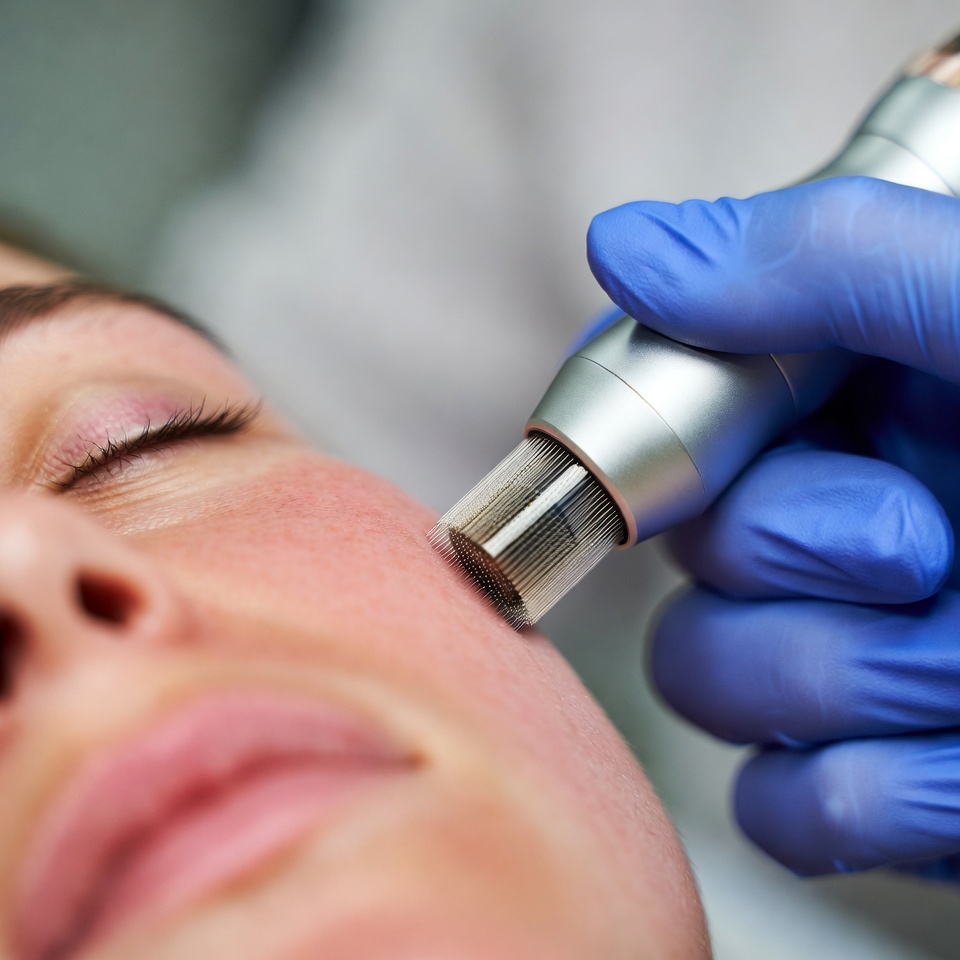
- Microneedling: Very fine needles create controlled micro-injuries that trigger collagen production as the skin heals. It suits fine lines, uneven texture, and acne scarring, and most people need a series of sessions. This comparison explains how microneedling differs from PRP.
- Chemical peels: A solution removes damaged outer layers to improve fine lines and uneven tone. Peels range from light to deep, and downtime increases with strength.
- Laser and radiofrequency treatments: These use controlled heat to stimulate collagen and firm the skin. They are often grouped with non-surgical skin tightening options.
- Medical-grade facials: These improve glow and surface texture. If you are unsure where to start, this overview of anti-aging facial treatments explains the differences.
- PRP: Platelet-rich plasma uses a concentrate from your own blood to support skin renewal. Research on its effect on wrinkles is still developing, and its cosmetic use is off-label. It uses your body’s own cells, but it involves injections, so it is not strictly non-injectable. A PRP facelift is one example.
- Dermal fillers: Fillers are injectable but contain no toxin. They restore lost volume and soften static lines around the mouth and cheeks. Learn what facial fillers can and cannot do.
How to Choose Between Botox and Botox Alternatives
Choose Botox if your main concern is lines caused by movement, such as forehead lines, frown lines, or crow’s feet. Choose non-injectable options if your concern is texture, fine lines, or sun damage, or if you would rather avoid toxin injections. Consider these factors:
- Wrinkle type: Lines that appear only when you move respond best to muscle relaxers. Lines visible at rest respond better to collagen-building treatments.
- Budget: Prices vary by provider, product, and number of sessions. Alternatives often need repeat visits, so compare the total cost over a year rather than per appointment.
- Downtime: Peels, lasers, and microneedling can cause redness or peeling for days. Plan around important events.
- Maintenance: Botox results typically last about three to four months. Many alternatives build gradually and need ongoing care.
- Health history: Pregnancy, skin conditions, certain acne medications, and a tendency to scar can all limit which options are safe for you.
Many people combine approaches, such as Botox injections for forehead lines and a skin treatment for texture. A qualified provider can recommend the order and timing.
Key Takeaways on Botox Alternatives
Botox alternatives can improve fine lines, texture, and overall skin health, but they work differently from muscle-relaxing injections. Sunscreen and retinoids form the foundation. Microneedling, peels, and PRP add stronger collagen support, while fillers address lost volume. The right choice depends on your wrinkle type, budget, downtime tolerance, and health history. Results vary, so a skin assessment is the most reliable way to match a treatment to your concerns.
Compare Your Options With a Qualified Provider
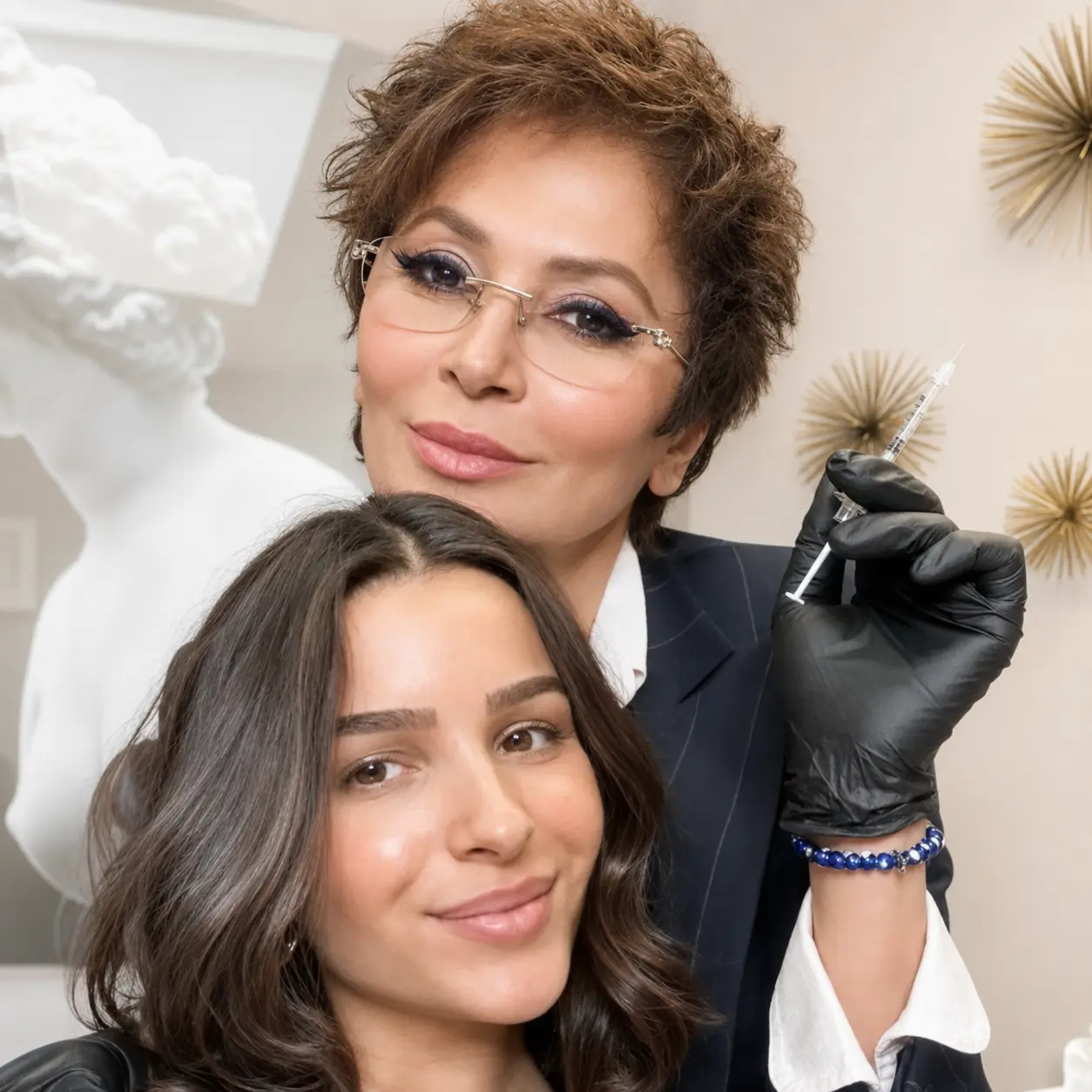
If you are unsure which route fits your skin, a consultation with Dr. B, a physician certified in aesthetic medicine with over 20 years of experience in Internal Medicine, lets you compare choices side by side and aim for natural-looking results. Bring photos of your concerns and a list of the medications and skincare products you use. You can schedule a skin consultation at our Northeast Philadelphia clinic to review your options and realistic expectations.
Avellina Aesthetics welcomes patients from Abington, Delaware, Maryland, Allentown, Horsham, and Huntingdon Valley.
Frequently Asked Questions
What is the best natural alternative to Botox?
Daily broad-spectrum sunscreen is the most effective natural step, followed by a retinoid and antioxidant skincare. Sun protection prevents new wrinkles, while retinoids help improve fine lines over time. None of these relax muscles, so they will not replace Botox for deep expression lines.
Do Botox alternatives work as well as Botox?
Not for movement-related lines. Botox relaxes the muscles that cause frown lines, forehead lines, and crow's feet, while alternatives improve skin quality and collagen. For fine lines, texture, and sun damage, alternatives can work well, though results are usually gradual and more subtle.
Is there a non-injectable treatment that relaxes wrinkles?
No proven non-injectable treatment relaxes facial muscles the way Botox does. Some topical peptide products claim similar effects, but evidence for strong results is limited. Treatments like microneedling, peels, and lasers smooth skin by improving collagen and texture instead.
How long do non-injectable wrinkle treatments take to work?
Most take weeks to months. Skincare ingredients like retinoids often need several months of consistent use. Professional treatments such as microneedling usually require a series of sessions, with results building between visits. Timelines vary by treatment, skin type, and how deep the lines are.
Can I combine Botox with non-injectable treatments?
Often yes. Many people use Botox for movement lines and add skincare or procedures like microneedling for texture. Timing matters, so your provider may space treatments apart. Share your full treatment history and skincare routine before planning a combination.
Are Botox alternatives safe?
Most are considered safe when used as directed or performed by a trained provider, but side effects differ. Retinoids can irritate skin, peels may cause redness or peeling, and microneedling can cause temporary swelling. Pregnancy, certain medications, and skin conditions can change what is appropriate, so get a professional assessment first.
Educational information; your clinician can advise on care that is appropriate for you.