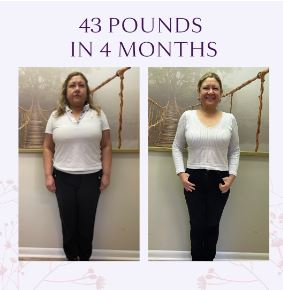
The most reliable way to lose weight after 50 is to protect your muscle, eat enough protein, sleep well, and aim for a modest calorie deficit, adding medical support if lifestyle changes stall. It often feels harder than it did at 30 because muscle mass tends to decline with age, hormones shift, and daily energy needs can drop. Harder does not mean impossible.
This guide explains why the scale behaves differently now, the best ways to lose weight after 50, which popular habits do not work, and when a doctor-supervised plan may help. The advice covers weight loss tips for women over 50 as well as men.
Why Is It Harder to Lose Weight After 50?
Weight loss is harder after 50 mainly because of age-related muscle loss, hormonal changes, and lifestyle shifts. Less muscle means your body burns fewer calories at rest, so meals that once maintained your weight can now lead to slow gain.
For women, falling estrogen during perimenopause and menopause is linked to more fat storage around the midsection. Men often see testosterone decline gradually. Poor sleep, stress, and some prescription medications can also push the scale up. Understanding how hormones affect weight loss results shows why this is not simply a willpower problem.
Every person is different, so your own timeline and results may not match anyone else’s. Still, reading about why losing weight gets harder with age can help you set realistic expectations.
How to Lose Weight After 50: 6 Strategies That Work
- Strength train at least twice a week. The CDC’s federal activity guidelines for adults call for 150 minutes of moderate aerobic activity weekly plus muscle-strengthening on 2 or more days. Weights, resistance bands, or bodyweight exercises help preserve the muscle that keeps your metabolism steady. A simple start is two short sessions a week built around squats, rows, and wall push-ups, then adding resistance gradually.
- Build meals around protein and whole foods. Protein helps you feel full and supports muscle. Pair lean protein with vegetables, fruit, beans, and whole grains. Learning how everyday food choices shape weight loss success makes this easier. Ask your provider for a protein target that fits your health.
- Use a modest calorie deficit. Cutting too deeply costs muscle and energy. Small, steady reductions are easier to sustain. Start with sugary drinks, oversized portions, or late-night snacking before you cut any meals.
- Protect your sleep. Most adults need at least seven hours a night. Short sleep can raise hunger and cravings, which makes any plan harder.
- Manage stress and drink enough water. Chronic stress often drives emotional eating, and thirst can be mistaken for hunger. A daily walk helps with both.
- Rule out medical barriers. Thyroid problems, blood sugar issues, and insulin resistance that can stall weight loss are common after 50. Bloodwork can show what is getting in the way.
What Doesn't Work After 50
- Crash diets. Extreme restriction often costs muscle and tends to rebound.
- Cardio alone. Walking and cycling support heart health, but without strength work you may lose muscle along with fat.
- Skipping meals. It can lead to low protein intake and overeating later in the day.
- Detox teas and “fat-burning” supplements. Reliable evidence is limited, and some products can interact with medications.
Many stalls come from small, fixable habits. Reviewing a list of common weight loss mistakes can help you spot what is slowing you down.
How Fast Should You Lose Weight After 50?
A steady pace of about 1 to 2 pounds per week is widely described as safe for most adults, though your own target should come from your provider. Faster loss can mean more muscle loss and, for some people, looser skin.
If you are planning significant weight loss, it helps to understand what causes loose skin after weight loss and how it is treated before you begin.
When Can Medical Weight Loss Help?
If diet, exercise, and sleep changes have not worked, a physician-supervised plan may help. These programs usually begin with a health history review and lab work. When appropriate, a provider may prescribe FDA-approved medications such as semaglutide or tirzepatide. They are typically considered for adults with a BMI of 30 or higher, or 27 or higher with a weight-related condition like high blood pressure or type 2 diabetes.
Medication is not right for everyone and can cause side effects such as nausea. It works best alongside nutrition and strength training. Learn how a physician-supervised weight loss program is structured, and what to expect from your first weight loss consultation.
How to Lose Weight After 50: Sustainable Strategies That Work
Learning how to lose weight after 50 comes down to protecting muscle, eating well, sleeping enough, and being patient with a steady pace. Skip crash diets and quick fixes. If you have followed these steps and still feel stuck, a medical evaluation can uncover hormonal or metabolic factors. This article is general information, not medical advice.
Talk With a Provider About Your Weight Loss Options
If you are ready to compare your options, book a consultation with Dr. B, a physician certified in aesthetic medicine with over 20 years of experience in Internal Medicine. At our Northeast Philadelphia clinic, she will review your health history and build a plan around your goals, with steady, realistic progress in mind. Avellina Aesthetics welcomes patients from nearby communities including Abington, Delaware, Southampton, Maryland, Allentown, Horsham, and Huntingdon Valley.
Frequently Asked Questions
What is the fastest way to lose weight after 50?
There is no safe shortcut, but the fastest healthy approach combines strength training, protein-rich whole foods, and a moderate calorie deficit. Aggressive dieting often backfires by costing muscle. Eligible patients may progress faster with medical support.
Is it harder for women to lose weight after 50?
Often, yes. Menopause-related hormone changes and muscle loss can make weight loss slower and shift fat toward the belly. Results vary widely, and consistent strength training, good sleep, and medical guidance can still lead to steady progress.
How many calories should I eat to lose weight after 50?
The right number depends on your size, activity level, and health, so no single figure fits everyone. A provider or registered dietitian can estimate your needs. Most people do best with a modest deficit rather than a steep cut.
What exercise is best for losing weight after 50?
A mix works best: strength training at least twice a week plus moderate activity such as brisk walking, cycling, or swimming. Start gradually, and check with your doctor first if you have joint, heart, or blood pressure concerns.
Can medication help with weight loss after 50?
Yes, for some adults. Prescription medications like semaglutide or tirzepatide may be appropriate after a medical evaluation, but they are not suitable for everyone. They work best combined with healthy eating, activity, and follow-up care.
Educational information; your clinician can advise on care that is appropriate for you.