

When Should You Consider Medical Treatment for Weight Loss?
You should consider medical weight loss treatment if diet and exercise alone haven’t produced lasting results, if your BMI is 30 or higher (or 27+ with a weight-related health condition like high blood pressure or type 2 diabetes), or if excess weight is already affecting your health. Medical weight loss combines physician oversight, prescription options such as GLP-1 medications, and personalized lifestyle guidance — an approach that differs from general dieting because it’s based on

The Best Age to Start Dermal Fillers: Is There One?
There is no single “correct” age to start dermal fillers. Most providers agree that fillers are appropriate any time after a person is fully done growing, generally the early-to-mid twenties, but the right time really depends on your skin, your goals, and what you’re trying to address rather than a birthday on the calendar. Someone in their twenties might use filler to enhance lips or balance facial features, while someone in their forties or fifties
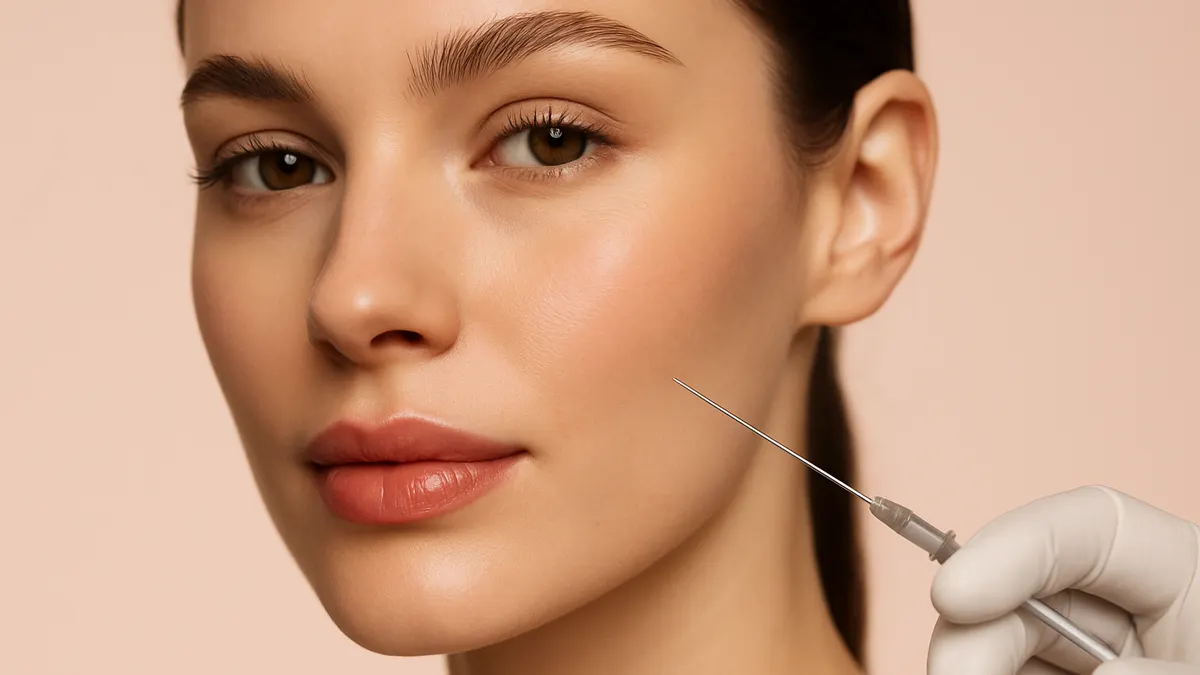
Lip Fillers vs Cheek Fillers: Which Should You Choose First?
If you’re weighing lip fillers vs cheek fillers, the short answer is this: choose based on where your face is losing volume or proportion, not on which treatment is more popular. Cheek fillers restore structure and lift to the mid-face, which often improves how the whole face looks, including the lips and jawline. Lip fillers add volume and shape directly to the lips only. Many providers actually recommend starting with cheeks if your goal is

Is Medical Weight Loss Right for You? Signs to Look For
Medical weight loss is a physician-supervised approach that combines prescription medication, lab work, nutrition guidance, and ongoing monitoring, rather than relying on diet and exercise alone. It tends to fit people who have struggled to lose weight through lifestyle changes, have a weight-related health condition, or have a BMI in the overweight or obese range. This article covers the specific signs that suggest medical weight loss may be worth considering, who typically qualifies, and what

Foods to Avoid Before and After Botox: A Practical Guide
Botox doesn’t interact with food chemically, but what you eat and drink around your appointment can still affect your results. The main concern is bruising and swelling: certain foods, drinks, and supplements thin the blood or cause fluid retention, making bruising at injection sites more likely. In short, the foods to avoid before and after Botox include alcohol, high-dose fish oil or omega-3 supplements, concentrated ginger, garlic, and cinnamon, excess salt, and unnecessary NSAIDs like
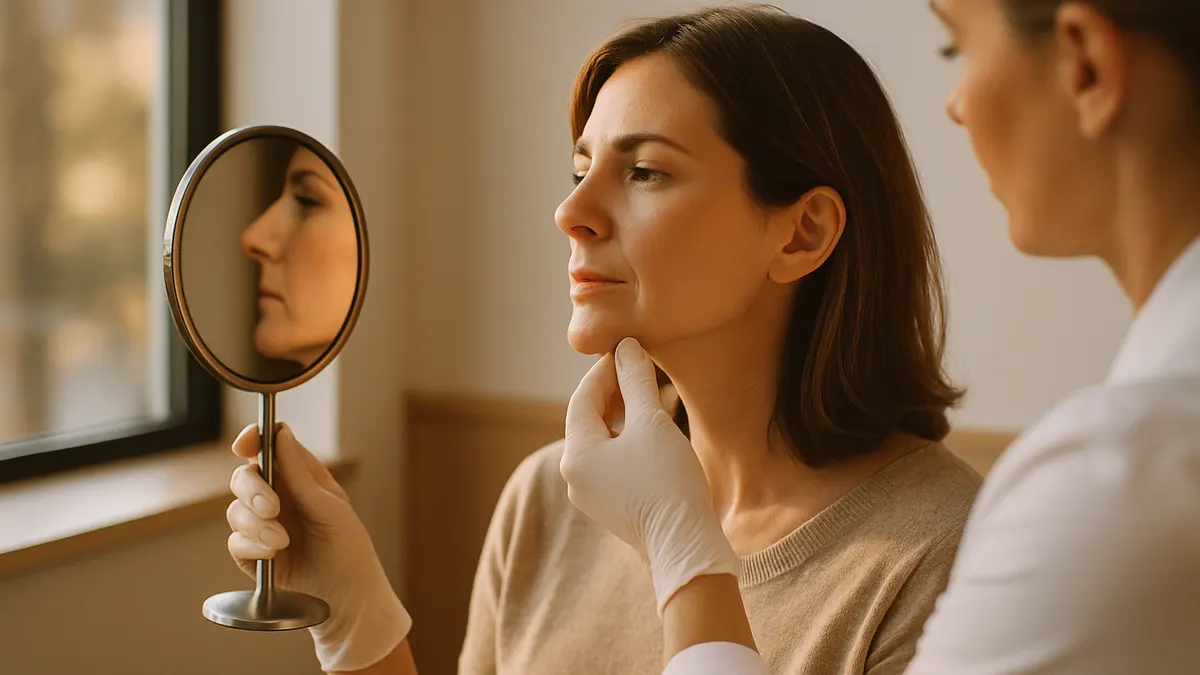
Facial Balancing Before and After: What Results Really Look Like
Facial balancing is a treatment approach that uses injectables, and sometimes surgery, to improve how facial features relate to one another rather than focusing on a single area. In facial balancing before and after photos, the most common change isn’t one dramatic feature — it’s better proportion between the chin, cheeks, jawline, and midface. This article covers what treatment involves, what results typically look like, how long they last, and what causes different outcomes from


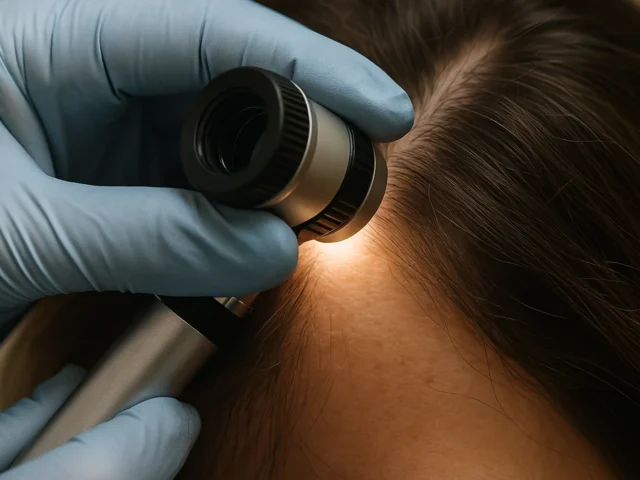

Signs Your Weight Loss Plan Is Working: What Your Body Is Telling You

Signs It’s Time for Your Next Botox Appointment

Can Dermal Fillers Improve Facial Balance?

When Should You Consider Medical Treatment for Weight Loss?

The Best Age to Start Dermal Fillers: Is There One?
Lip Fillers vs Cheek Fillers: Which Should You Choose First?

Is Medical Weight Loss Right for You? Signs to Look For

Foods to Avoid Before and After Botox: A Practical Guide
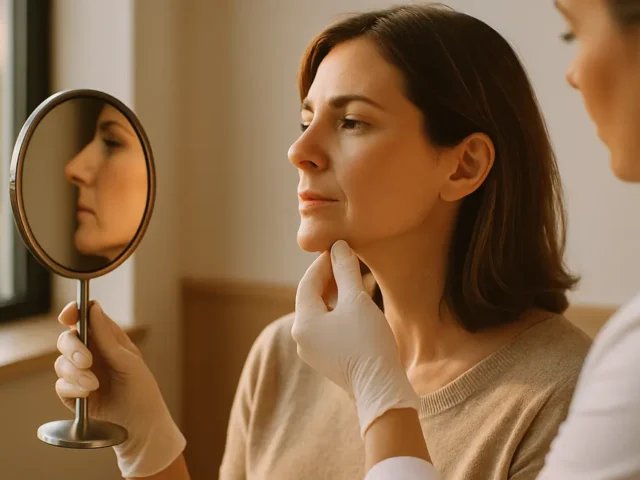
Facial Balancing Before and After: What Results Really Look Like
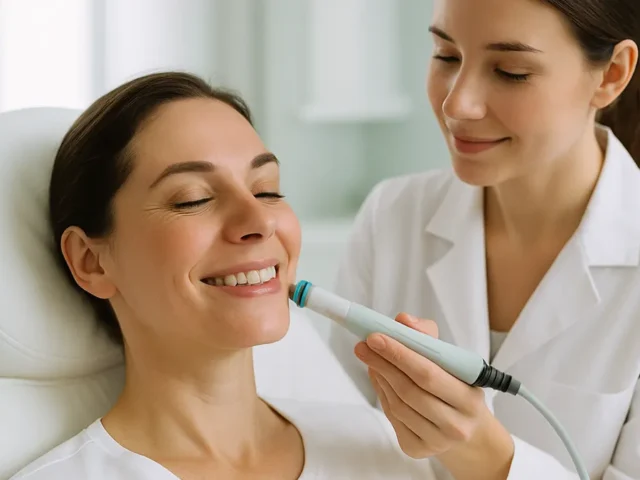
Can Botox Be Combined with Hydrafacial or Microneedling?
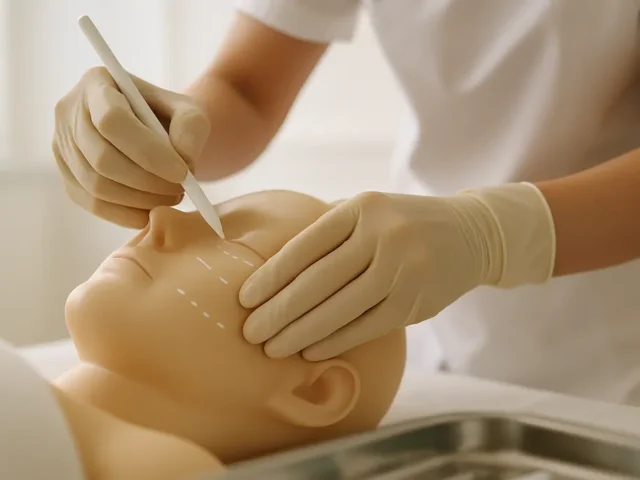
Why Choosing an Experienced Injector Matters for Dermal Fillers

Medical Weight Loss vs DIY Diets: Which Works Better?

How to Choose the Right Botox Specialist for Your Treatment

How Hydration Can Help You Lose Weight
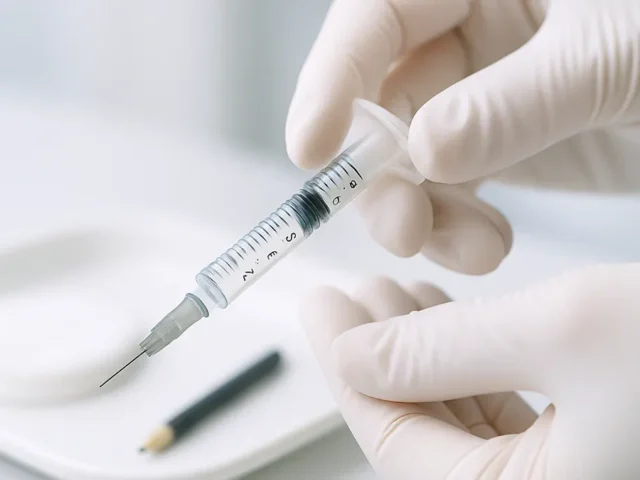
Common Dermal Filler Mistakes and How to Avoid Them

Can You Exercise After Botox? What Experts Recommend

Why Personalized Weight Loss Plans Deliver Better Results

What to Expect During Your First Weight Loss Consultation
What Happens If You Wait Too Long Between Botox Treatments?

How to Prepare for Your First Dermal Filler Appointment

Can Botox Help You Look Less Tired?

Are Dermal Fillers Worth It? What Patients Should Know

Why Losing Weight Gets Harder With Age—and What You Can Do
How to Keep Your Dermal Fillers Looking Natural
Botox for Hooded Eyes: Can It Create a More Open Look?
15 Signs You May Be Ready for Dermal Fillers

15 Healthy Habits That Support Long-Term Weight Loss

15 Common Botox Myths You Should Stop Believing

What Causes Hyperpigmentation? Understanding the Root Causes
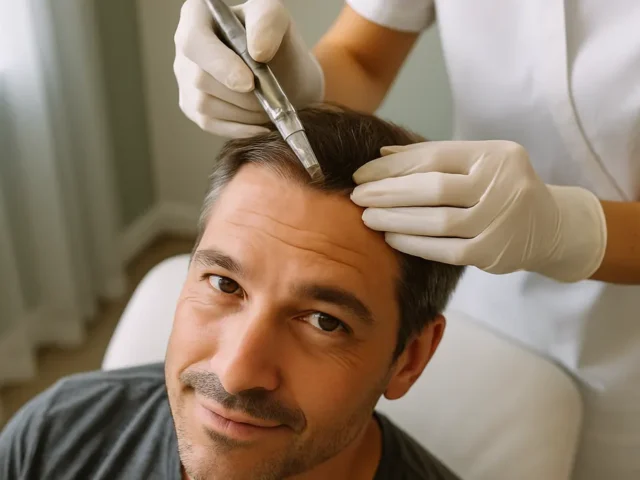
Mesotherapy for Hair Loss: Does It Really Regrow Hair?
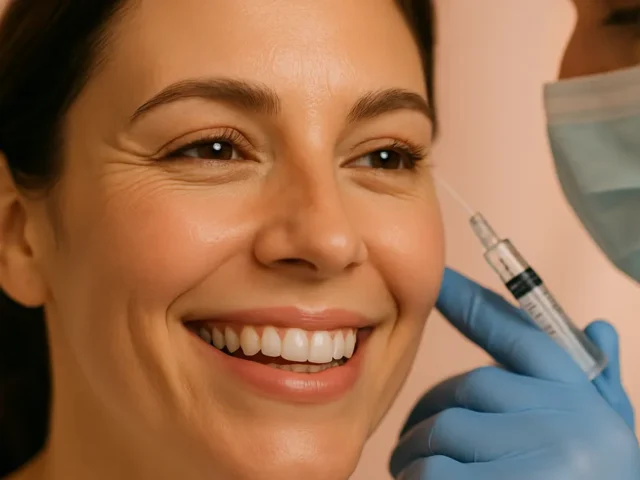
Botox for Crow’s Feet: What to Expect and How Long It Lasts

Gummy Smile Treatment: How Botox Can Help

PRP Facial (Vampire Facial): Benefits, Process, and Results
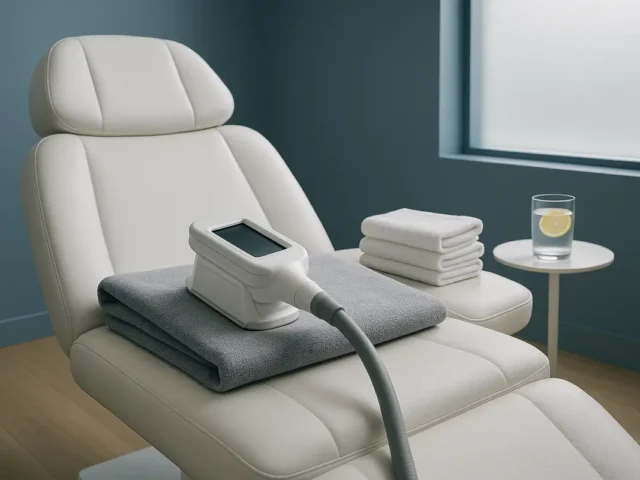
CoolSculpting vs Kybella: Which Is Right for You?
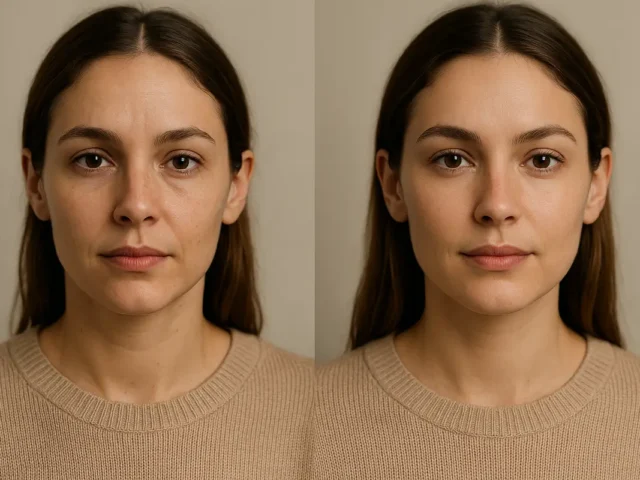
Cheek Filler Before and After: What to Expect

Lip Flip vs. Lip Filler: What’s the Difference?
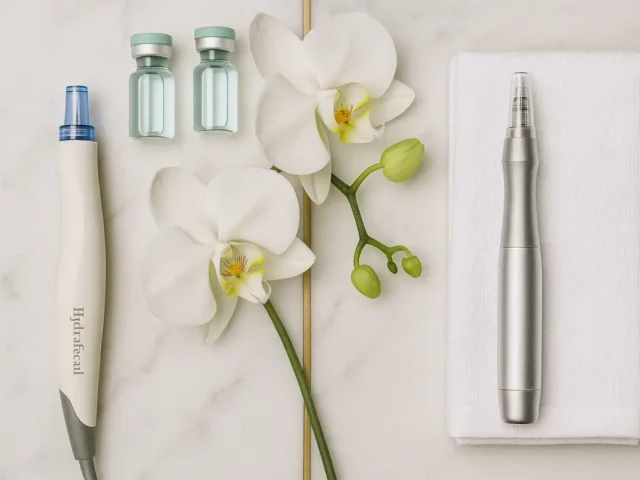
HydraFacial vs Microneedling: Which Is Better for Your Skin?

Botox Brow Lift: A Non-Surgical Alternative to Surgery

Liquid Rhinoplasty: The Complete Guide to a Non-Surgical Nose Job

Semaglutide vs Tirzepatide: Which GLP-1 Weight Loss Medication Is Right for You?



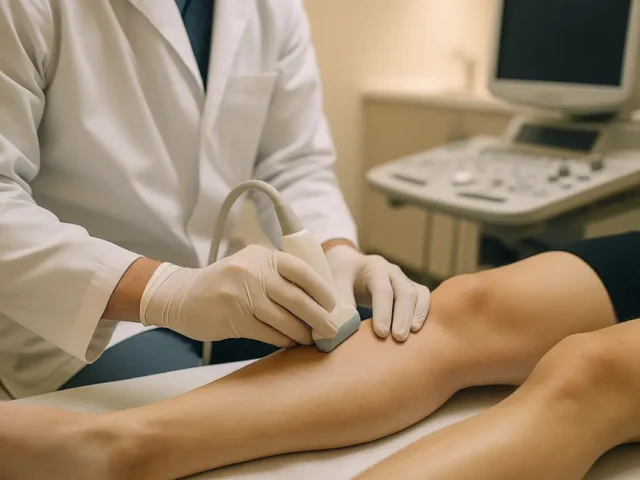
Varicose Vein Removal: What to Expect Before, During & After Treatment

Restylane vs Juvederm: Which Filler Is Right for You?
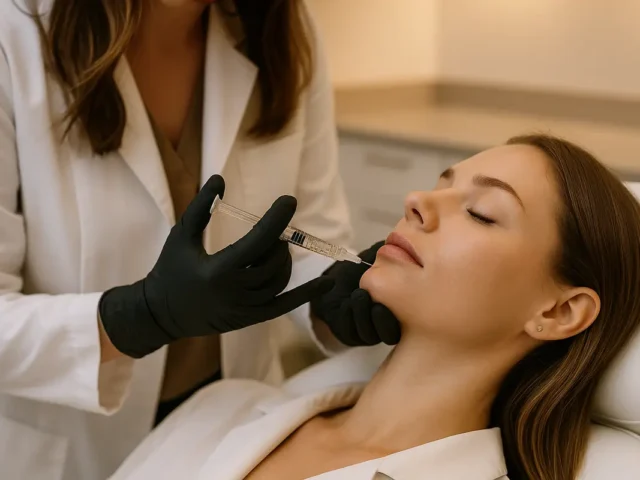
IV Therapy for Skin: Which Drip Is Best for Glow & Anti-Aging?
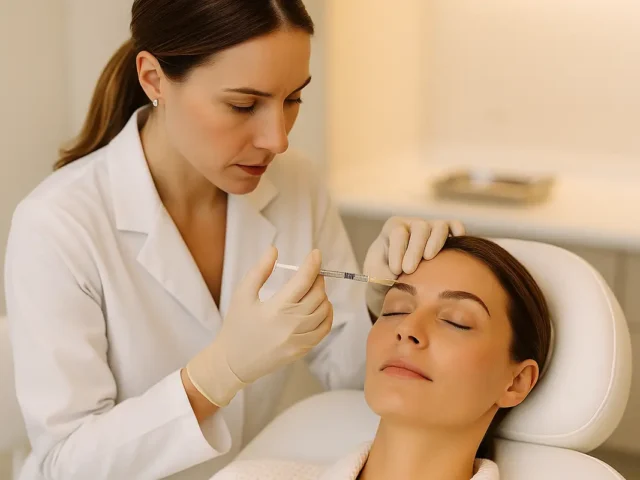
Full Face Botox: Areas Treated & Before and After Results

Exosome Therapy: Benefits, Cost & What to Expect

What Not to Do After Botox: The Complete List
Under Eye Filler: How It Works, Risks, and What Results Look Like
Semaglutide vs Ozempic vs Mounjaro: Which Weight Loss Injection Is Right for You?
Sculptra Before and After: What to Expect and Is It Worth It?
Sculptra Before and After: Real Results and Is It Worth It?
Microneedling Recovery Time: Day-by-Day Healing Timeline
Labiaplasty vs Vaginal Rejuvenation: What’s the Difference?
Forehead Botox Before and After: What Real Results Look Like
Common Weight Loss Mistakes and How to Avoid Them
Can You Shower After Botox? Complete Aftercare Guide
Beat the Heat: Why Summer IV Therapy Is Your Ultimate Seasonal Reset
Why More Women Are Choosing Labiaplasty: Trends, Benefits, and Myths
Where Can You Get Botox? Popular Injection Areas Explained
What to Know Before Getting Dermal Fillers: Safety Tips for First-Time Patients
What Causes Botox Results to Wear Off Faster?
Rapid vs Slow Weight Loss: What’s Healthier for Long-Term Success?
Loose Skin After Weight Loss: Causes, Prevention, and Treatment Options
How Labiaplasty Can Improve Comfort During Exercise
How Dermal Fillers Can Improve Facial Balance and Symmetry
Vaginoplasty Before and After: Understanding the Healing Journey
Vaginal Narrowing Surgery: Benefits, Risks, and Recovery
Laser Vaginal Rejuvenation vs Surgical Options: Which Is Better?
Dermal Fillers Before and After: What Results Can You Expect?
Who Is a Good Candidate for Labiaplasty? Signs You Might Need It
Vaginal Rejuvenation: Non-Surgical vs. Surgical Options Explained
Recovery After Labiaplasty: Timeline, Tips & Realistic Expectations
Labiaplasty vs. Labia Fillers: Which Option Is Right for You?
Labiaplasty Recovery Timeline: Week-by-Week Healing Process Explained
Labiaplasty Explained: Benefits, Procedure, Recovery & What to Expect
Common Concerns Women Have About Intimate Aesthetics

PRP vs PRF: What’s the Difference and Which Is Better?
Microneedling Before and After: What Results Look Like
Lip Fillers Before and After: What Results Can You Expect?
Labiaplasty Before and After: What Results Look Like
How to Inject Semaglutide Safely: Step-by-Step Guide
Botox vs Dysport: Which One Lasts Longer and Why?
Botox Eyebrow Lift Before and After: Realistic Results Guide
Before and After Weight Loss: What Results Can You Expect?
Is Skin Rejuvenation Safe for Sensitive Skin Types?
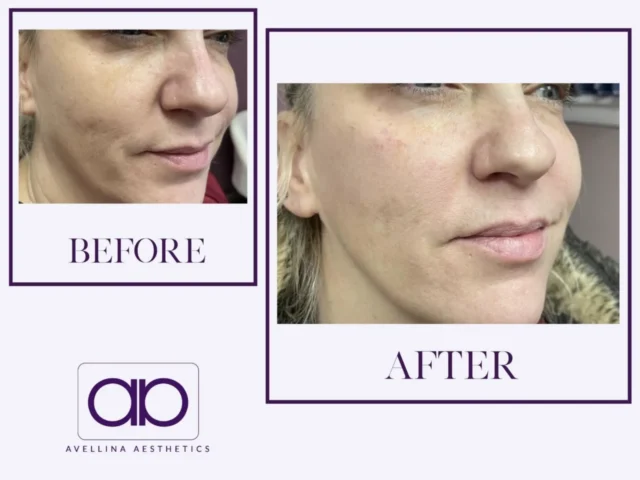
How to Properly Prepare Your Skin Before Aesthetic Treatments
Top Non-Surgical Skin Tightening Treatments for Firmer Skin
PRP vs Hair Transplant: Which Hair Restoration Option Is Right for You?
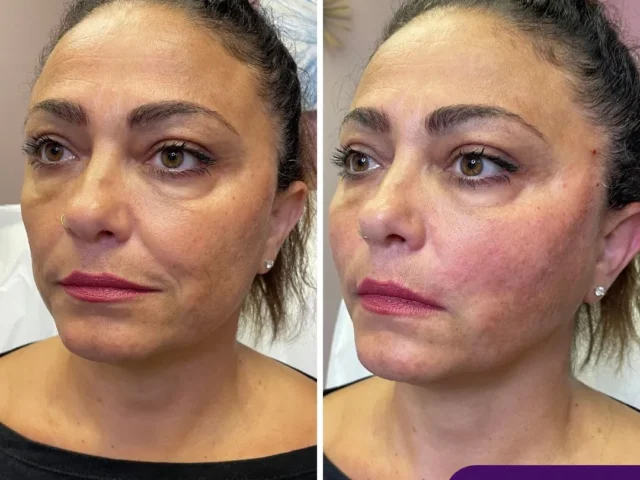
Professional Skin & Facial Treatments for All Skin Types
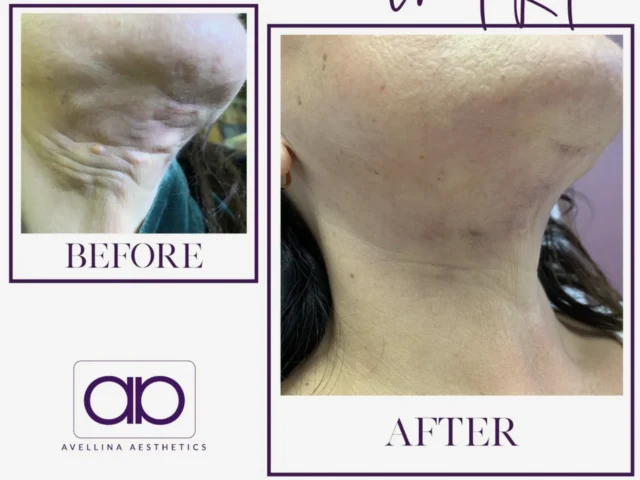
Microneedling vs PRP: Understanding the Key Differences and Benefits
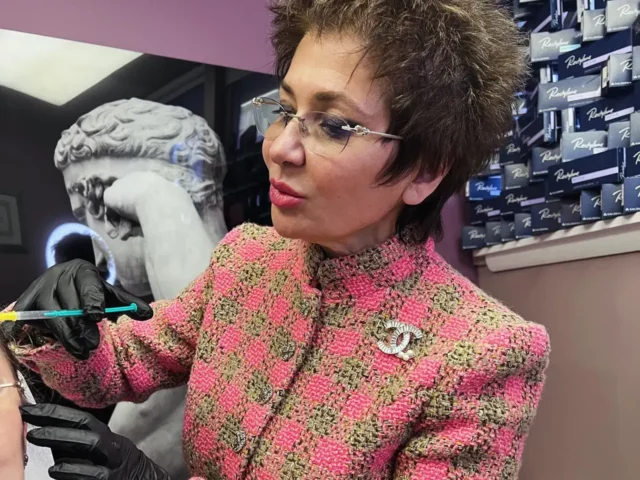
How to Maintain Botox Results Longer: Tips for Lasting Effects
How to Improve Uneven Skin Texture Without Surgical Procedures

How Hormones Affect Weight Loss: Understanding Their Role in Your Results

How Diet Affects Weight Loss Results: Key Factors to Consider
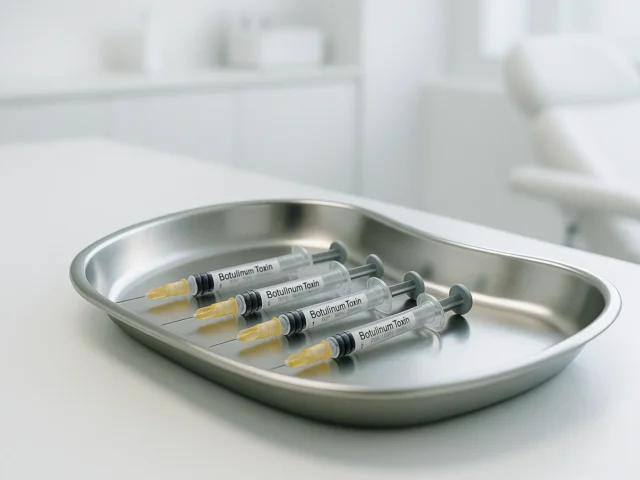
Why Accurate Technique Is Crucial for Safe and Consistent Scrotox Results

NAD+ Injection Therapy Overview: Anti-Aging Benefits, Cost Breakdown, and Safety Insights
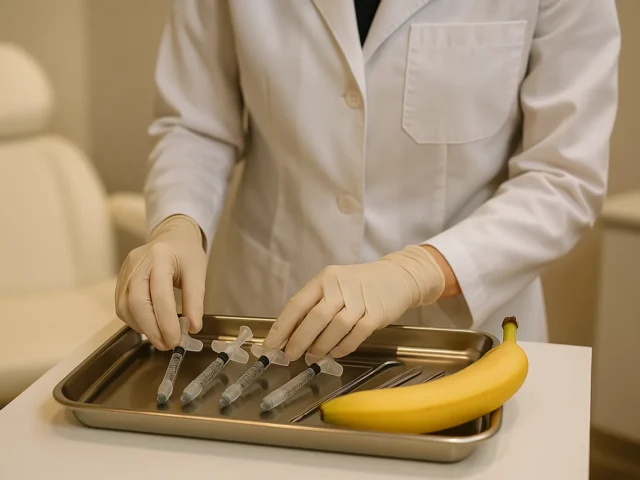
How Penile Fillers Improve Girth with Minimally Invasive Treatment

Before Getting Mesotherapy: Understand the Risks, Benefits, and How to Pick the Best Clinic

What Medical Conditions Can Impact Successful Weight Loss in Philadelphia?
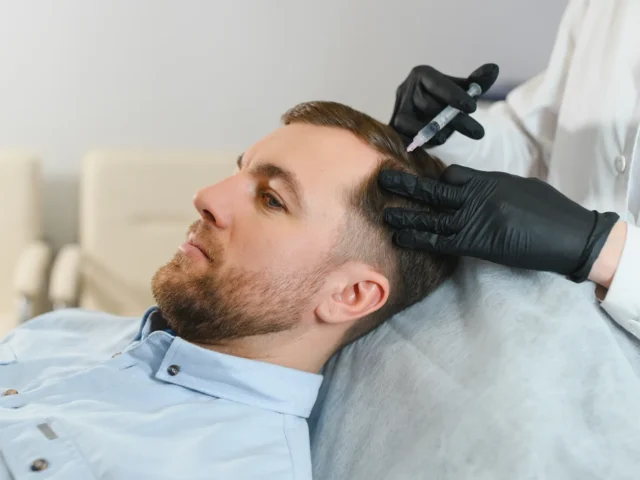
What Causes Hair Loss and What Are My Restoration Options in Philadelphia?
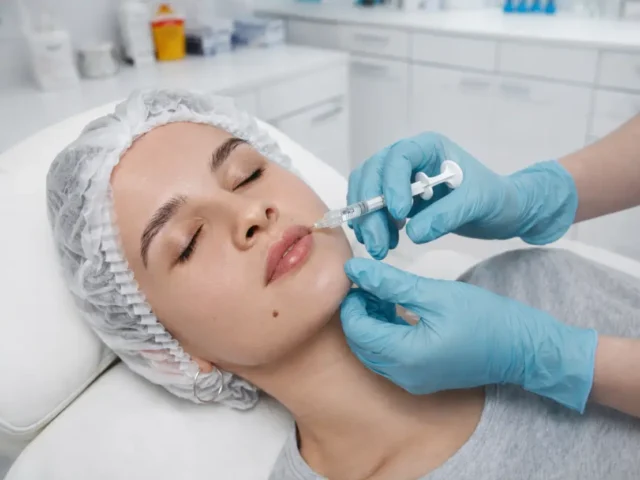
What Should I Know Before Getting Botox in Philadelphia?

How to Choose the Right Treatment for Your Skin Goal?

Top Aesthetic Trends in 2026: What’s Shaping the Future of Beauty

Types of Dermal Fillers Explained

What Is Botox and How Does It Work?

Medical Weight Loss Options at Avellina Aesthetics Explained
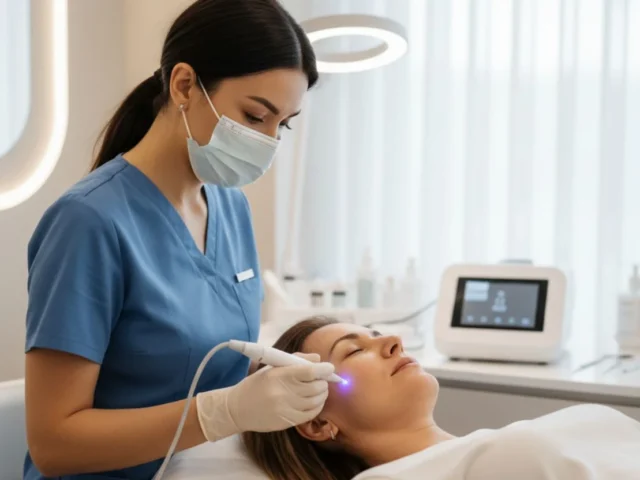
Aesthetic Treatments for Women: What to Consider
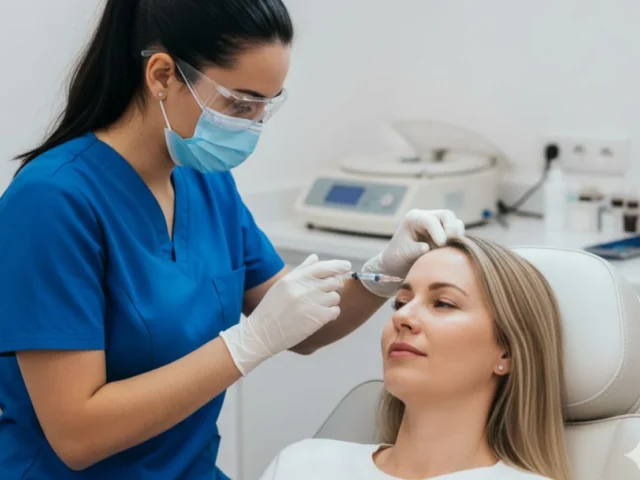
How PRP Treatments Stimulate Natural Skin Rejuvenation?
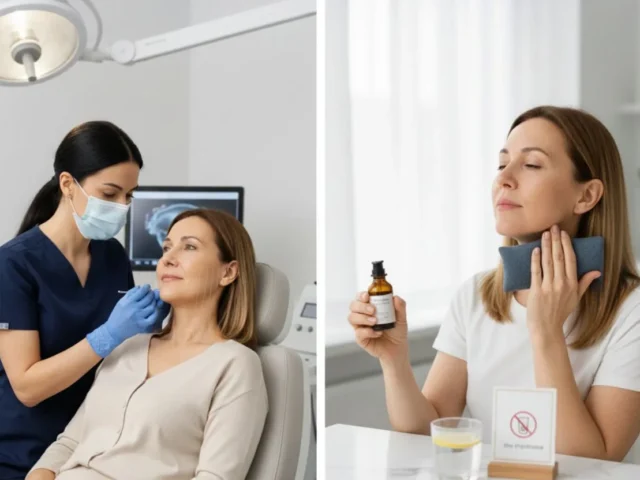
Understanding PDO Thread Lifts: Benefits and Aftercare

Can Weight Loss Really Lower Your Blood Pressure? Here’s the Answer

Filler Migration: Understanding the Risks, Causes, and Remedies
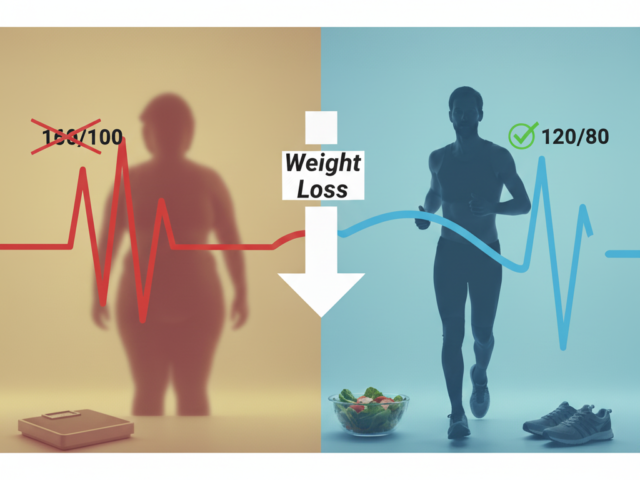
Why Weight Loss Is The Key To Managing High Blood Pressure
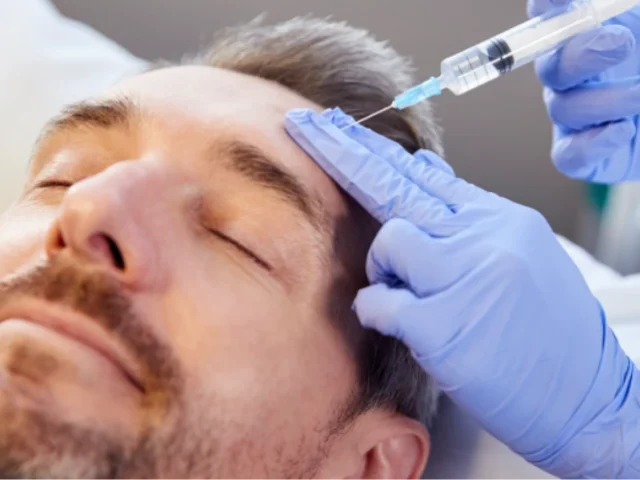
Top 7 Reasons Men Should Consider Botox
Why Botox Should Be Part of Your Beauty Routine?

How Often Should You Get a Chemical Peel?

Can I Get a Facial After Lip Fillers

Botox Before and After

Sculptra Pros And Cons
WHY MILLENNIALS ARE GETTING BOTOX?
EVERYTHING YOU NEED TO KNOW ABOUT DERMAL FILLERS
MESOTHERAPY: TARGETED INJECTIONS FOR SKIN REJUVENATION

WHAT’S THE DIFFERENCE BETWEEN BOTOX AND FILLERS?
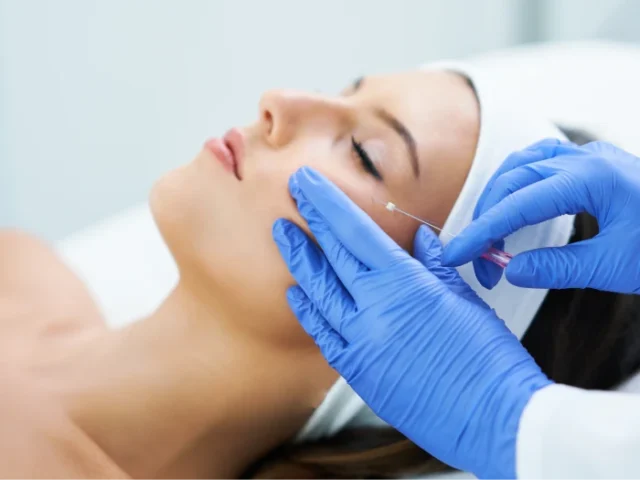
HOW DOES A PDO THREAD LIFT WORK TO REJUVENATE YOUR SKIN?
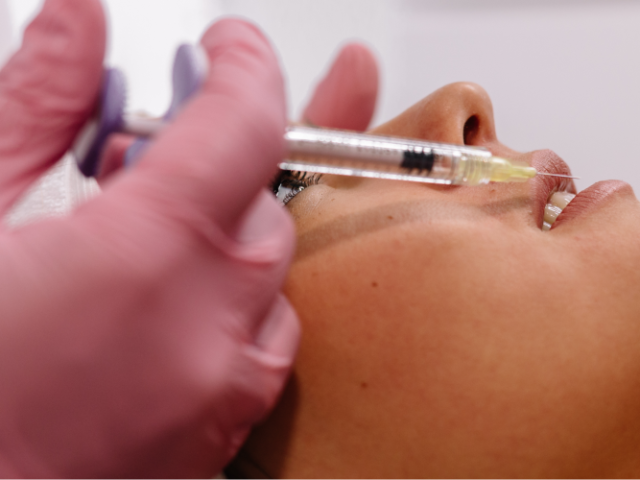
TIPS FOR MAINTAINING YOUR LIP FILLERS: DOS AND DON’TS
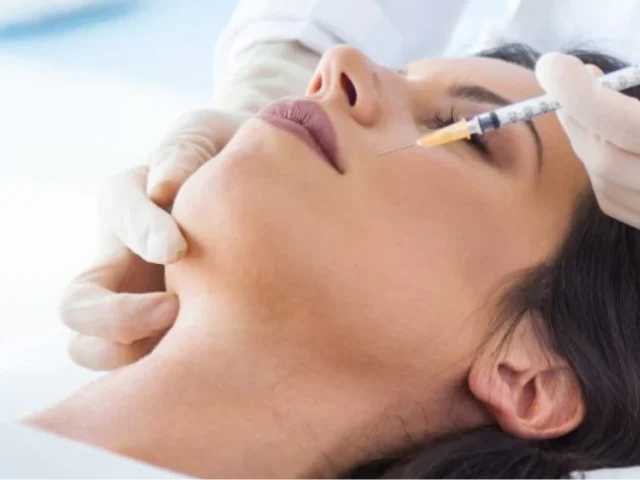
SEASONAL BOTOX: WHEN IS THE BEST TIME TO GET IT?
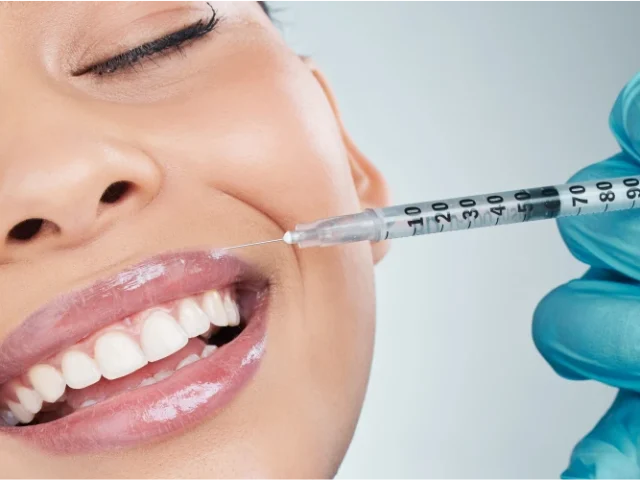
BOTOX FOR SMILE LINES

10 IMPORTANT FACTS YOU SHOULD KNOW BEFORE GETTING PENILE FILLERS

GIRTH ENHANCEMENT: WHAT YOU NEED TO KNOW
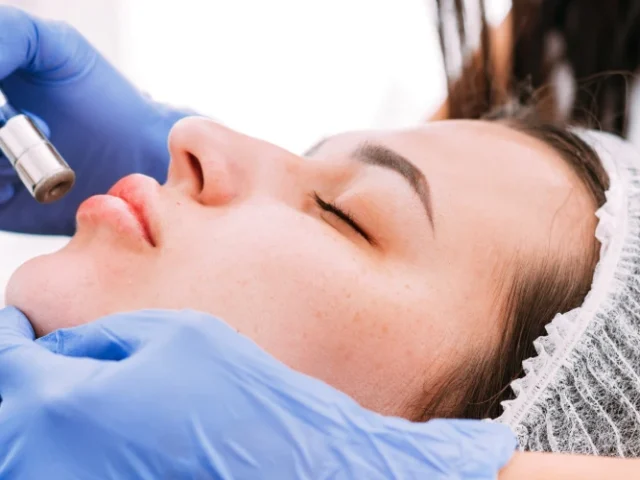
What Precautions Should I Take After Microneedling?
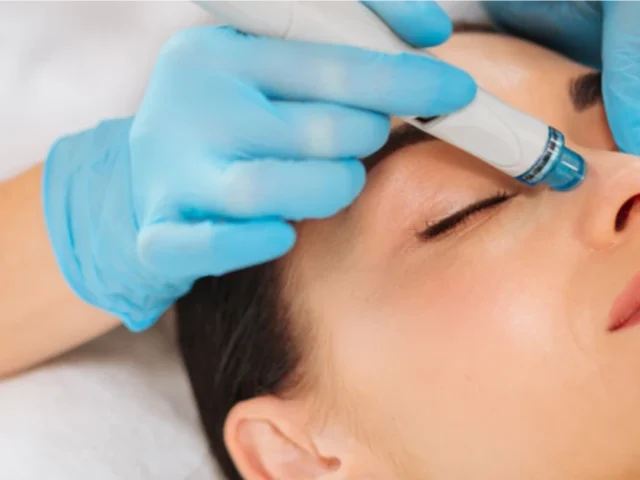
10 Surprising Benefits Of Microneedling Treatments

Is Scrotox Treatment Painful?
HOW LONG DOES BOTOX LAST?
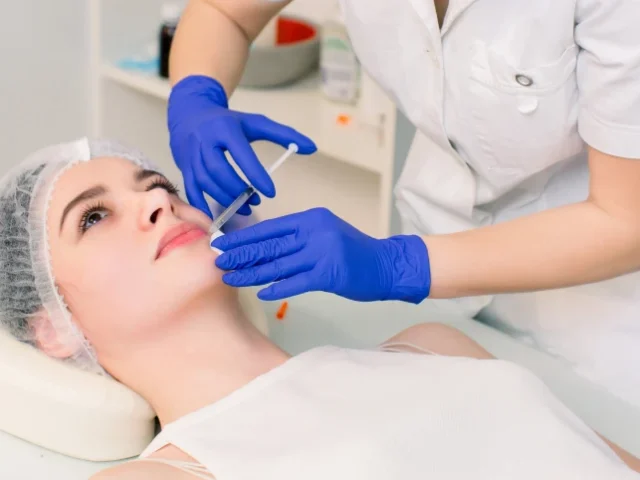
WHAT SHOULD I EXPECT DURING A LIP FILLER PROCEDURE?
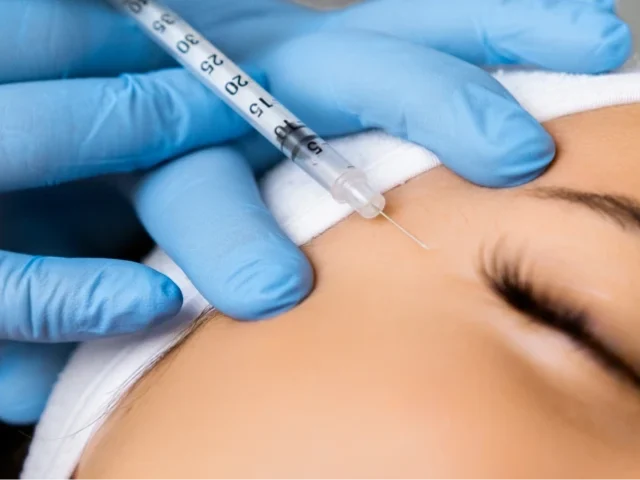
5 IMPORTANT FACTORS TO CONSIDER BEFORE GETTING BOTOX

HOW PENILE FILLERS CAN TRANSFORM YOUR INTIMATE LIFE?
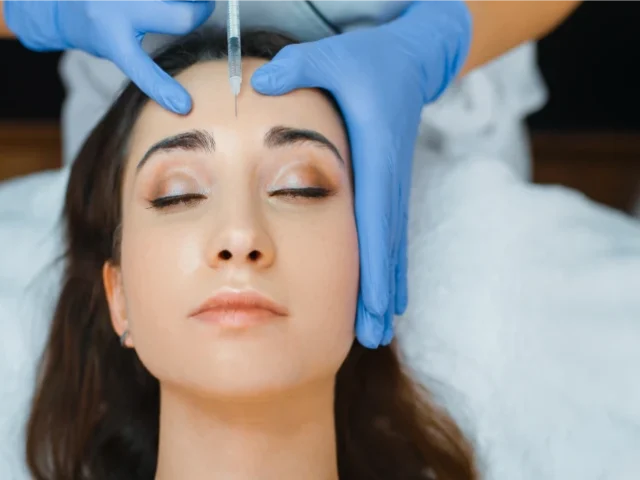
BOTOX FOR BEGINNERS: WHAT FIRST-TIMERS SHOULD EXPECT
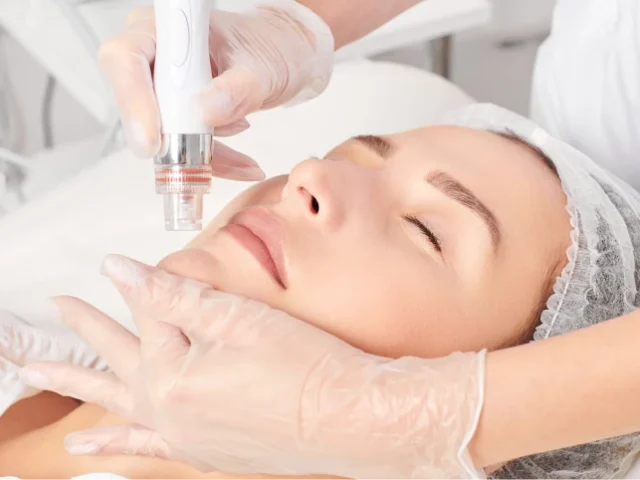
UNDERSTANDING THE BENEFITS OF NON-SURGICAL AESTHETIC PROCEDURES
PENILE FILLERS: WHAT YOU NEED TO KNOW

7 EFFECTIVE TIPS FOR EXTENDING THE LIFE OF YOUR LIP FILLERS

SMILE MAKEOVER: THE MAGICAL TRANSFORMATION OF YOUR SMILE WITH LIP FILLERS

5 TIPS TO MAKE SCROTOX TREATMENT LAST LONGER

HOW OFTEN CAN YOU GET PDO THREADS?
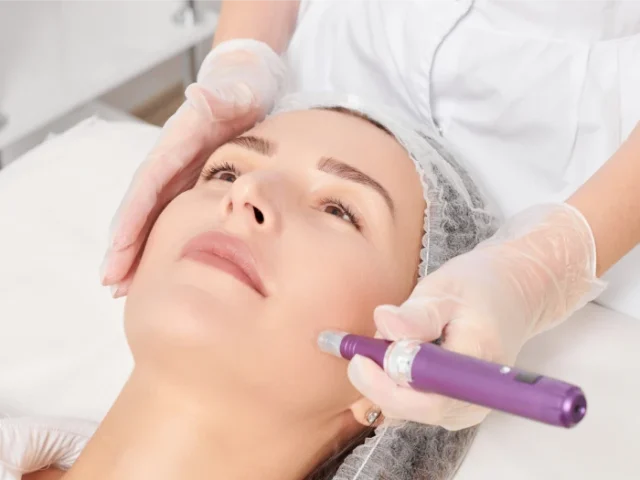
HOW LONG DOES MICRONEEDLING LAST?

HOW LONG DOES SCROTOX LAST?

DOES BOTOX HELP MIGRAINES?
DOES MEDICARE COVER SEMAGLUTIDE FOR WEIGHT LOSS?

HOW LONG DO PENILE FILLERS LAST?

HOW LONG DOES PRP FACELIFT LAST?

HOW LONG DOES BOTOX HURT?

HOW LONG DOES A PDO THREAD LIFT LAST?

HOW LONG DOES MICRO-NEEDLING TAKE TO HEAL?
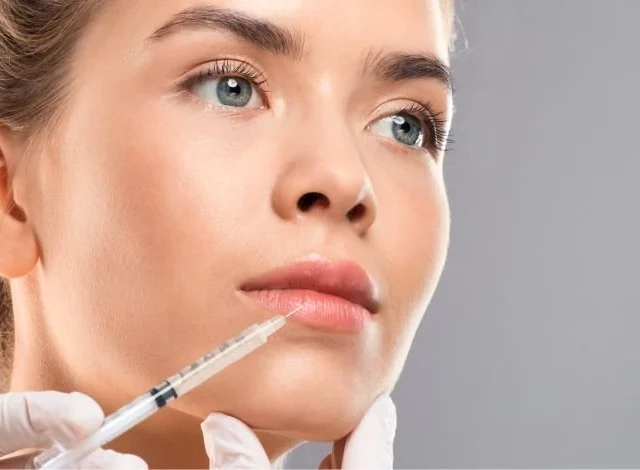
HOW LONG DO LIP FILLERS LAST?

ARE PENIS FILLERS SAFE?

IS BOTOX COVERED BY INSURANCE?
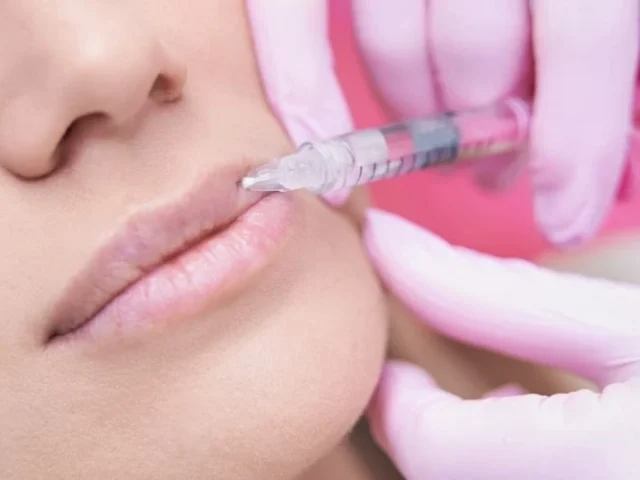
WHAT AGE CAN YOU GET LIP FILLERS?

WHAT AGE DO YOU START GETTING BOTOX?
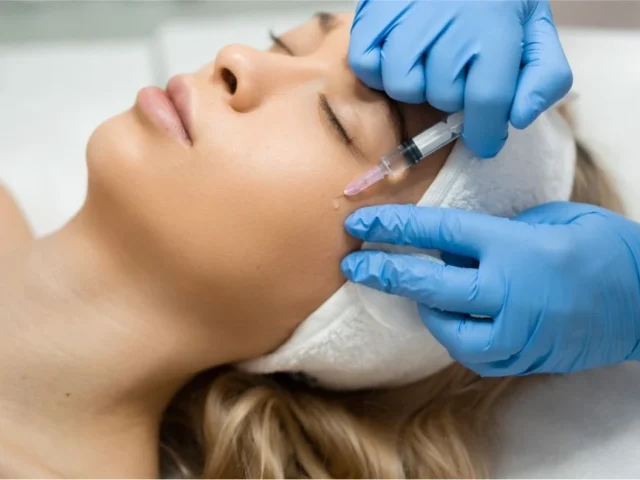
WHAT IS THE BEST ANTI-AGING FACIAL TREATMENT?
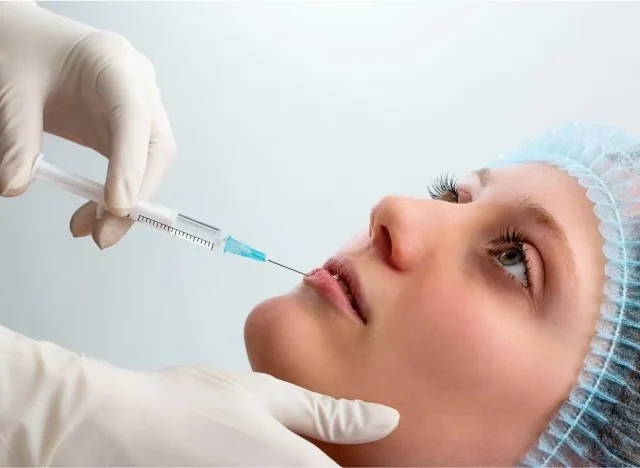
DO LIP FILLERS HURT?
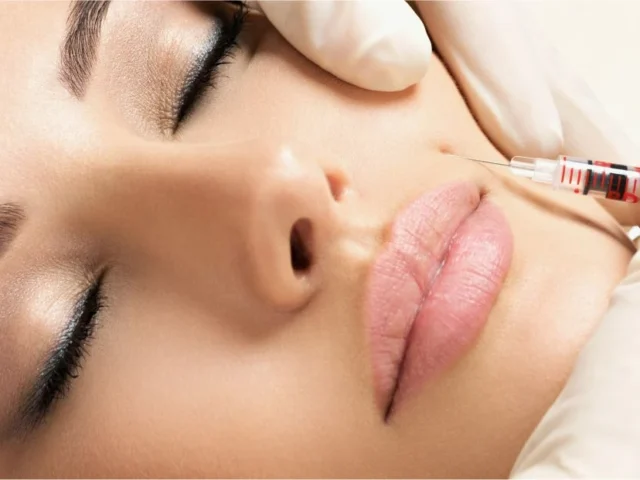
HERE ARE SOME DO’S AND DON’TS AFTER BOTOX
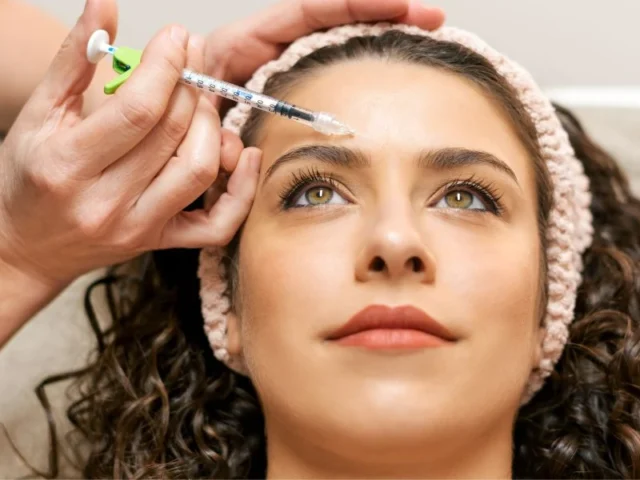
BEST TIPS FOR JAWLINE FILLER TREATMENT AFTERCARE
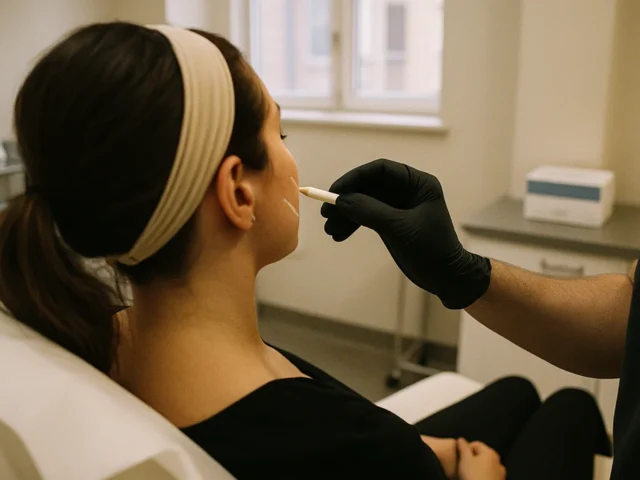
Why Dermal Fillers Might Be Right for You

6 BENEFITS OF JOINING A MEDICAL WEIGHT LOSS PROGRAM

MEDICAL WEIGHT LOSS: POINTS TO KEEP IN MIND
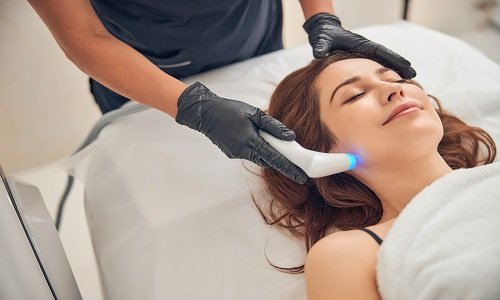
HOW DERMAL FILLERS WORK TO SMOOTH WRINKLES?

PERSONALIZING DIETS FOR HEALTHY WEIGHT
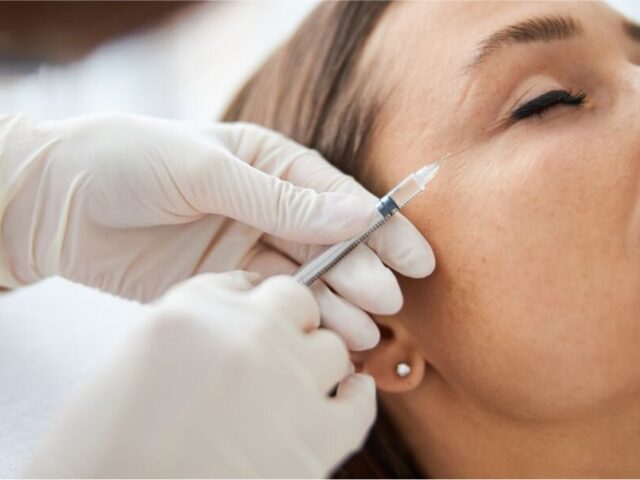
HATE YOUR FROWN LINES? HERE’S WHAT TO DO
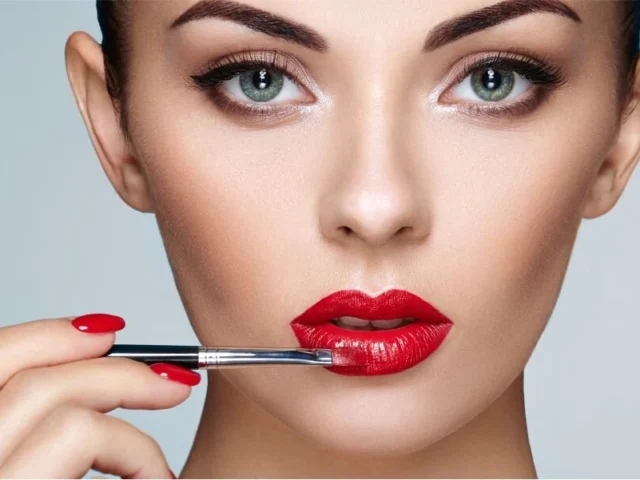
JUVEDERM: THE PERFECT PRODUCT FOR PRETTY LIPS
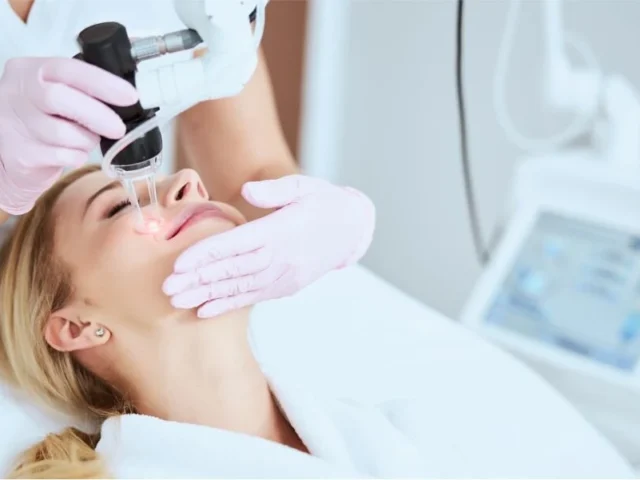
How to Get Rid of Acne
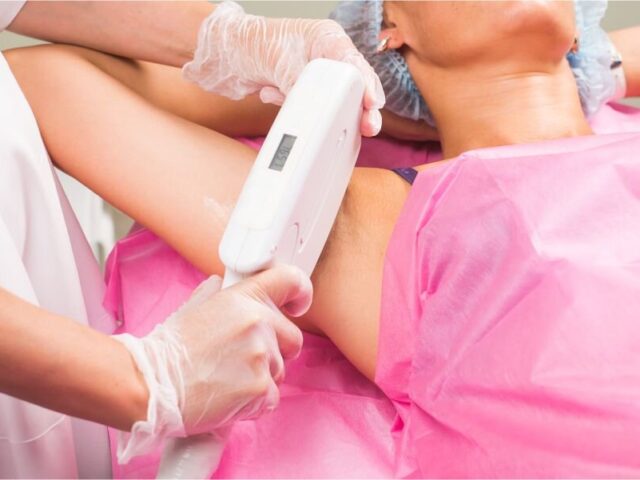
IS LASER HAIR REMOVAL PAINFUL?
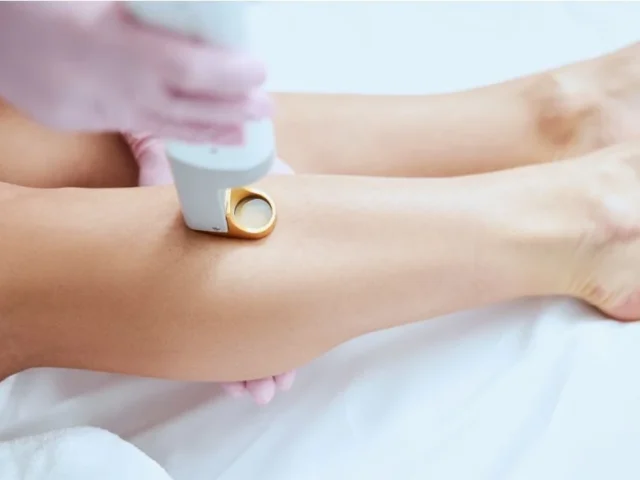
What are the Benefits of Laser Skin Resurfacing?

VERTICAL PDO THREAD LIFTS: THE BASICS