
Smile line wrinkles are facial wrinkles that appear around the outer corners of the mouth and the eyes and are unfortunately just part of aging. However, Botox for smile lines can help reduce these fine lines and increase the radiance of your skin.
These anti-aging injections have been used by many people over the years but, of course, there are some things that you need to know before getting treatment.
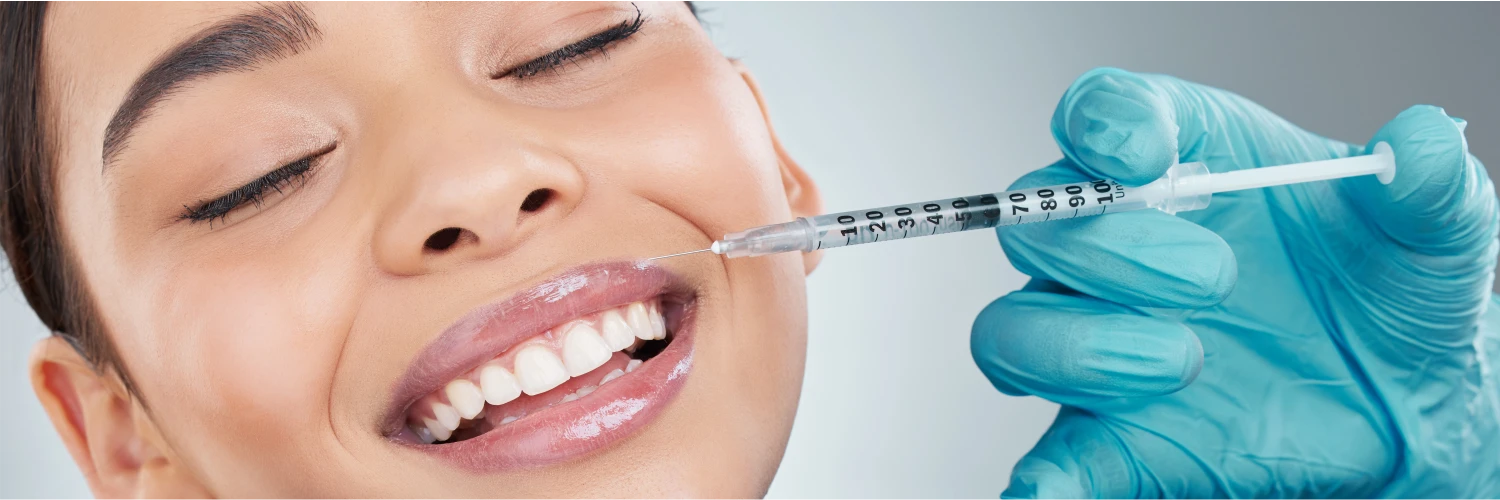
SMILE LINE BOTOX TREATMENT BENEFITS
Botox for smile lines provides many benefits for your skin. Smile lines are typically caused by facial muscle movements and Philadelphia botox treatment works to relax these muscles, smoothing out the lines, leading to smile line reduction and creating younger looking skin.
One of the best Botox benefits is that it is a non-surgical facelift. As such, it is a relatively safe procedure that you quickly recover from, meaning there is very little down time, and you can continue on with your life quickly. Additionally, Botox is a relatively painless procedure for most patients whereas surgery can have risks and serious complications.
Botox provides many benefits in addition to reducing smile lines. These cosmetic procedures can smooth lines and facial wrinkles throughout the face area and can also be used to reduce sweating if that is an issue for you.
Botox for migraines is also available and helps relieve these troubling headaches by preventing pain signals from reaching the brain. Botox has also been used to treat overactive bladder, neck spasms, and acne scars. The benefits of Botox are numerous but have been used to successfully treat wrinkles and smile lines for people for many years.
Most people associate Botox use with women but Botox for men is becoming more popular for those gentlemen who want to reap all of the benefits Botox has to offer. Men deserve to look and feel younger and experience all that Botox has to offer.
Smile Line Botox Risks and Post-Care Treatment
While Botox for smile lines is generally a safe procedure, Botox risks do exist, just like any other medical treatment. There may be some pain, redness, and swelling at the injection sites which typically subsides within 24-48 hours. The Botox pain level varies depending on the patient’s pain tolerance, but most patients report relatively mild pain.
Other side-effects can include headache, upset stomach, and flu-like symptoms but these usually dissipate within a couple of days. You may also have difficulty making facial expressions and could experience drooling, droopy eyelids, and a crooked smile for a couple of days. It is essential that you follow your doctor’s post-care treatment so that you recover from treatment effectively and to ensure that your Botox effectiveness lasts as long as possible.
Post Botox treatment considerations often include avoiding sunlight exposure for 24-48 hours after treatment, drinking plenty of water, and using sunscreen if you are going outside for extended periods of time. Post-care can be incredibly important in your recovery and how long the treatment will last, so be sure to follow all of your doctor’s recommendations.

WHAT ELSE SHOULD I KNOW ABOUT BOTOX?
Botox for smile will typically last from anywhere from four to six months depending on the patient and how many units of Botox are used during the procedure. Other things like post-treatment care and temperature may also have an effect on Botox duration. Regular Botox treatments can even prevent new lines and wrinkles from appearing.
Before getting Smile Botox, having a consultation with an experienced Botox injector is essential. This will allow the Doctor to review the shape of your face and your facial expressions, allowing them to understand how your face moves naturally so they can pinpoint the correct injection points. They will also be able to determine if you are a good candidate for Botox.
GET SMILE LINE BOTOX TREATMENT AT AVELLINA AESTHETICS
If you’re tired of dealing with smile lines and other facial wrinkles, Botox may offer a way to achieve a smoother, more refreshed appearance. At Avellina Aesthetics, personalized Botox treatments are designed to address common signs of facial aging while maintaining natural-looking results.
As a trusted rejuvenation clinic serving the Philadelphia area and surrounding communities, Avellina Aesthetics provides personalized aesthetic treatments tailored to each patient’s goals. Whether you’re considering treatment in Southampton, Bucks County, Abington, Allentown, Horsham, Delaware, or Maryland, our team can help you explore your options. If you’re ready to take the next step toward a smoother, more youthful-looking appearance, schedule an appointment with Avellina Aesthetics today.
Frequently Asked Questions
Botox may soften certain smile-related lines when they are caused by repetitive facial muscle movement. The results depend on the location and type of wrinkle, and Botox may not completely eliminate deeper or static lines.
Botox for smile lines can last several months, although the duration varies by patient, treatment area, dosage, and individual response. The page notes that results may last approximately four to six months.
Botox results develop gradually rather than appearing immediately. Patients generally begin noticing changes within several days, with the effect continuing to develop as the treated muscles relax.
Botox is generally considered a minimally invasive treatment, but it can have side effects. Temporary redness, swelling, pain, headache, or changes in facial movement may occur. More noticeable effects such as a droopy eyelid or uneven smile can also occur temporarily.
Follow the specific aftercare instructions provided by your injector. The page recommends protecting the treated area from excessive sun exposure for 24–48 hours, staying hydrated, and using sunscreen when spending time outdoors.
A good candidate is generally an adult whose smile-related wrinkles are appropriate for treatment with botulinum toxin. An experienced injector should evaluate facial anatomy, muscle movement, medical history, and treatment goals to determine whether Botox is appropriate.