
Noticing more hair in your brush, a widening part, or a hairline that seems to creep back a little more each year? Hair loss treatment in Delaware, PA gives residents access to medically guided options — including PRP therapy, mesotherapy, and personalized regrowth plans — that address thinning hair at its root cause rather than just covering it up. At Avellina Aesthetics, patients work directly with clinicians who evaluate the type and stage of hair loss before recommending a treatment path, so the plan fits the person, not the other way around.
This page walks through what causes hair loss, which treatments actually work, what a typical visit looks like, and how to know if you’re a good candidate — so you can make an informed decision before booking a consultation.
What Causes Hair Loss?
Hair loss rarely has a single cause. For most people, it’s a combination of genetics, hormones, and lifestyle factors that gradually shrink hair follicles until they stop producing visible strands. Common contributors include:
- Androgenetic alopecia (hereditary male or female pattern hair loss)
- Hormonal shifts from pregnancy, menopause, or thyroid conditions
- Chronic stress or a major physical shock to the body (illness, surgery, rapid weight loss)
- Nutritional deficiencies, particularly iron, zinc, and vitamin D
- Certain medications, including some blood pressure drugs and antidepressants
- Tight hairstyles or repeated heat and chemical damage
Understanding the underlying cause matters because it determines which treatment will actually help. A person losing hair from a hormonal imbalance needs a different approach than someone dealing with hereditary thinning. For a deeper breakdown of these triggers and how they’re diagnosed, this article on restoration options for thinning hair covers the topic in more detail.
Signs You May Benefit From Professional Hair Loss Treatment
Early intervention almost always produces better results than waiting. Consider a consultation if you notice:
- A visibly widening part or thinning crown
- Increased shedding when washing or brushing your hair
- A receding hairline that’s changed noticeably over a year or two
- Patchy or uneven regrowth after a stressful event
- Hair that feels finer or less dense than it did a few years ago
None of these signs mean hair loss is permanent. The earlier follicles are supported with the right treatment, the more likely they are to keep producing healthy hair.
Hair Loss Treatment Options in Delaware, PA
Avellina Aesthetics offers several non-surgical, medically supervised treatments designed to slow shedding and stimulate regrowth. The right option — or combination of options — depends on your hair loss pattern, health history, and goals.
PRP Therapy for Hair Restoration
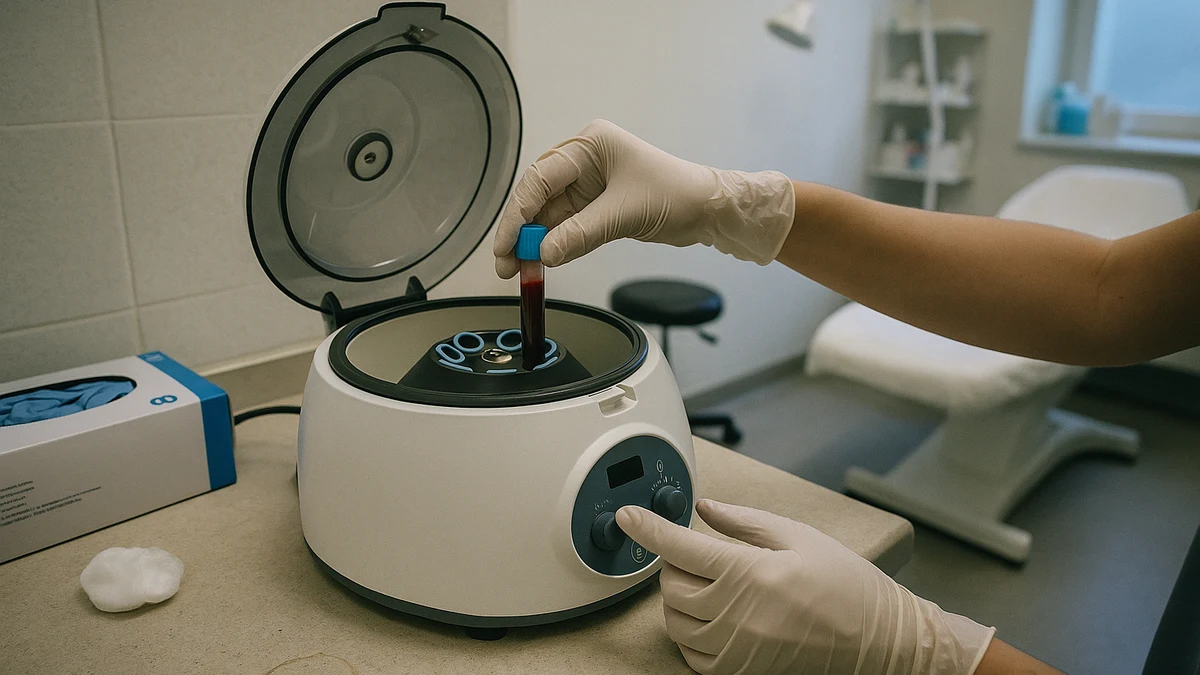
Platelet-rich plasma therapy uses a concentrated portion of your own blood, rich in growth factors, injected directly into the scalp to wake up dormant follicles and extend the hair growth cycle. It’s one of the most researched non-surgical options available and works well for both early and moderate thinning. Patients typically need a short series of sessions, followed by periodic maintenance. This overview of PRP for hair loss explains the science behind the treatment step by step.
Mesotherapy for the Scalp
Mesotherapy delivers a customized blend of vitamins, amino acids, and peptides into the scalp’s mid-layer, nourishing follicles that have become weak or inactive. It’s often paired with PRP for patients who want a broader nutritional boost alongside growth-factor stimulation. If you’re curious whether this approach actually regrows hair, this piece on mesotherapy for hair loss breaks down realistic expectations.
Platelet-Rich Plasma vs. Other Options
Some patients considering more invasive procedures want to know how PRP compares to surgical hair transplantation before committing to either path. In general, PRP is less invasive, requires no downtime, and works best on follicles that are thinning but not yet dormant, while transplantation is better suited for advanced, well-established bald areas. This comparison of PRP versus surgical hair restoration lays out the tradeoffs in plain terms.
Nutritional and Supportive Therapies
Because deficiencies in iron, biotin, and vitamin D are common contributors to thinning, treatment plans often include targeted supplementation alongside in-office procedures for more lasting results.
How Hair Restoration Treatment Works: What to Expect
A typical hair loss treatment plan at Avellina Aesthetics follows a straightforward process:
- Consultation and scalp assessment. A clinician examines your scalp, reviews your medical history, and identifies the likely cause and stage of your hair loss.
- Personalized treatment plan. You’ll receive a recommendation — PRP, mesotherapy, a combination, or supportive therapies — along with a realistic timeline for results.
- In-office treatment sessions. Most sessions take 30 to 60 minutes and require no significant downtime.
- Maintenance and monitoring. Progress is tracked over several months, with maintenance sessions scheduled to sustain results long-term.
Most patients notice reduced shedding within two to three months, with visible density improvements appearing between months four and six.
Benefits of Choosing Avellina Aesthetics
Patients choose Avellina Aesthetics for hair loss treatment because the practice combines clinical expertise with an individualized approach:
- Treatment plans built around your specific hair loss pattern, not a one-size-fits-all protocol
- Access to advanced options including PRP therapy, mesotherapy, and complementary platelet-rich plasma treatments
- A comfortable, judgment-free environment for both men and women
- Ongoing monitoring so your plan adjusts as your hair responds
- A team with deep experience delivering hair restoration services in Philadelphia and nearby communities
Who Is a Good Candidate for Hair Loss Treatment?
Most adults experiencing early to moderate thinning are good candidates for non-surgical hair restoration. You may be an especially strong fit if you:
- Have noticed gradual thinning rather than complete, long-term baldness
- Are in general good health with no untreated bleeding disorders
- Want to avoid the downtime and cost associated with surgical transplantation
- Are looking for a preventive approach to slow future hair loss
A consultation is the only reliable way to know which treatment — or combination — will work best for your scalp and goals.
Key Takeaways
- Hair loss usually stems from genetics, hormones, stress, or nutritional gaps, and identifying the cause guides treatment.
- PRP therapy and mesotherapy are proven, non-surgical ways to stimulate dormant follicles and slow shedding.
- Most patients see reduced shedding within a few months and visible density gains within four to six months.
- Early treatment produces the best long-term outcomes.
Getting Started With Hair Loss Treatment
Thinning hair can affect confidence just as much as appearance, but it doesn’t have to be permanent. With the right combination of PRP therapy, mesotherapy, and a personalized plan, many patients see meaningful improvement in both hair density and scalp health. If you’re ready to explore hair loss treatment in Delaware, PA, scheduling a consultation with Avellina Aesthetics is the first step toward a plan built specifically for your hair and your goals. Avellina Aesthetics proudly serves patients throughout Philadelphia, Southampton, Bucks County, Abington, Huntingdon Valley, Maryland and Feasterville-Trevose.
Frequently Asked Questions
There isn't a single "best" treatment for everyone — effectiveness depends on the cause and stage of hair loss. For early to moderate thinning, PRP therapy and mesotherapy tend to produce the most consistent, research-backed results without surgery.
Most patients notice less shedding within two to three months, with visible improvements in hair thickness and density typically appearing between four and six months after starting treatment.
Non-surgical hair restoration treatments like PRP and mesotherapy are generally considered cosmetic and are not covered by insurance. A consultation will provide exact pricing based on your treatment plan.
Yes. Female pattern hair loss and diffuse thinning respond well to PRP and mesotherapy, and treatment plans are tailored separately for women, since the underlying hormonal causes often differ from male pattern baldness.
Patients in Delaware, PA experience the same common causes seen elsewhere — genetics, hormonal changes, stress, and nutritional gaps — though local lifestyle and seasonal factors can sometimes contribute to temporary shedding.
Cost varies depending on the treatment type, number of sessions, and whether therapies are combined. Avellina Aesthetics provides a personalized cost estimate during your initial consultation.
Yes. PRP therapy, mesotherapy, and nutritional support are typically tried before surgical transplantation, especially for patients with early to moderate thinning where follicles are still active.
Avellina Aesthetics serves patients in Delaware, PA and surrounding areas including Philadelphia, Bucks County, and Huntingdon Valley, offering in-office consultations and ongoing care throughout treatment.