
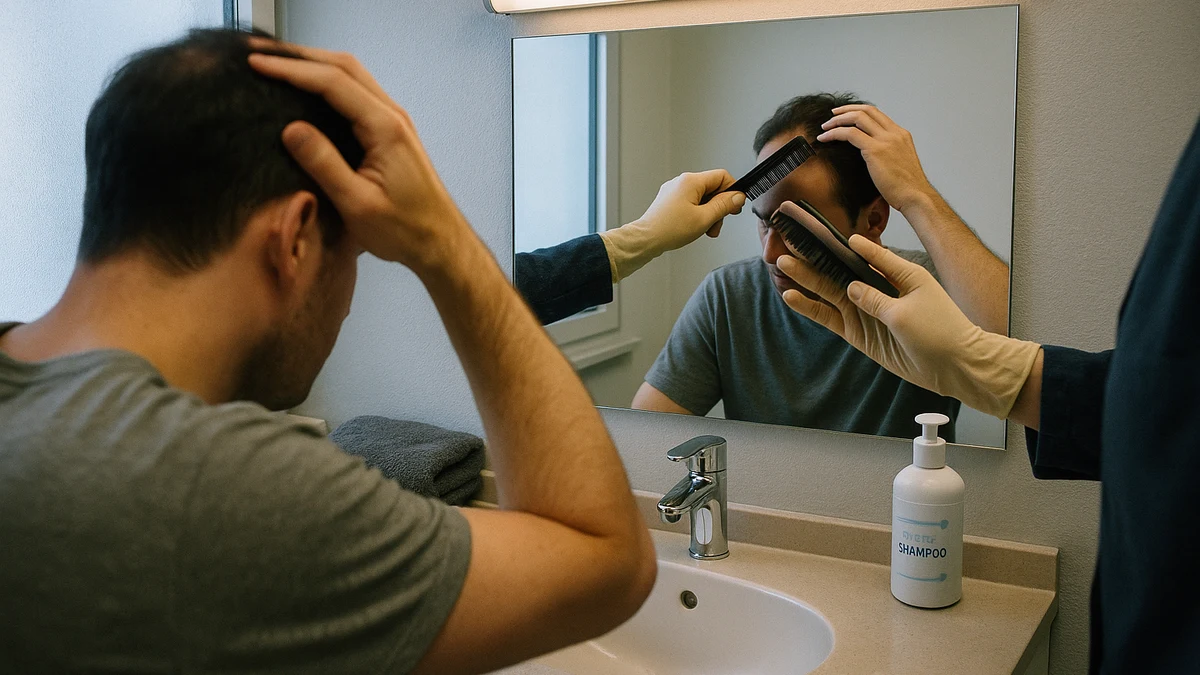
Noticing more hair on your pillow, in the shower drain, or along your part line? Hair loss treatment in Southampton, PA combines medical-grade therapies like platelet-rich plasma (PRP) and mesotherapy to slow shedding, strengthen existing strands, and support new growth, without surgery or lengthy downtime. At Avellina Aesthetics, treatment plans are built around the specific cause of your hair loss rather than a one-size-fits-all approach, so Southampton residents get a plan matched to their scalp, their hormones, and their goals.
This page explains why hair thins in the first place, which treatments actually work, what a visit looks like, and how to know if now is the right time to act. By the end, you should have a clear sense of whether professional hair restoration is worth exploring for your situation.
Understanding Hair Loss: Causes and Types
Hair loss rarely has a single cause. Genetics, hormones, stress, and nutrition can all play a role, and the right treatment depends on identifying which factor is driving the shedding.
Common Causes of Hair Loss
The most frequent cause in both men and women is androgenetic alopecia, a genetic sensitivity to the hormone DHT that gradually shrinks hair follicles over time. Other common contributors include:
- Hormonal shifts related to pregnancy, menopause, or thyroid conditions
- Chronic stress or a major physical event, which can trigger a temporary shedding phase called telogen effluvium
- Nutritional gaps, particularly low iron, zinc, or protein intake
- Certain medications, including some blood pressure drugs and antidepressants
- Tight hairstyles or repeated heat and chemical styling, which can damage the follicle over time
Understanding which of these applies to you is the first step toward effective treatment, and a deeper breakdown of these triggers and the restoration options available in the Philadelphia area can help you recognize your own pattern before your consultation.
Types of Hair Loss We Address
Patients typically fall into one of a few categories: diffuse thinning across the scalp, a receding hairline or thinning crown, patchy loss from alopecia areata, or shedding tied to a recent illness or life event. Hair loss affects a large share of adults at some point in their lives, which is why so many patients wait far longer than necessary before seeking help. In fact, according to the National Library of Medicine, losing up to 100 hairs a day is considered normal, and it’s often hard to tell where normal shedding ends and a real pattern of loss begins.
Hair Loss Treatment Options at Avellina Aesthetics
Not every case of thinning hair calls for the same solution. Avellina Aesthetics offers two non-surgical treatments, PRP and mesotherapy, that are each backed by clinical research and tailored to the stage and pattern of your hair loss.
Platelet-Rich Plasma (PRP) Therapy
PRP uses a small sample of your own blood, processed to concentrate its growth factors, then injected directly into thinning areas of the scalp. Those growth factors wake up dormant follicles, extend the hair’s growth phase, and improve blood flow to the scalp, which over a series of sessions tends to produce thicker, denser-looking hair. Because the treatment uses your own plasma, the risk of allergic reaction is minimal, and there is no incision or graft involved in platelet-rich plasma therapy.
Most patients start with three monthly sessions, followed by maintenance visits every four to six months. If you are weighing PRP against a permanent surgical option, a side-by-side comparison of the two approaches can help you understand the trade-offs in cost, downtime, and long-term commitment before you decide.
Mesotherapy for Hair Restoration
Mesotherapy delivers a customized blend of vitamins, amino acids, and other nourishing compounds through a series of shallow micro-injections directly into the scalp, and for some patients, Dr. Berdichevskaya may include a small dose of minoxidil in the formula. Because minoxidil can affect blood pressure and heart rate even in small amounts, whether to include it is a decision made together with you, based on your health history. Rather than relying on a single active ingredient, mesotherapy bypasses the digestive system entirely, so the scalp receives a concentrated dose of nutrients exactly where it is needed most.
This treatment tends to work best for patients in the earlier stages of thinning, when follicles are weakened but not yet dormant. Curious how the results compare to more established therapies? Our detailed look at whether this injection-based approach can genuinely regrow hair walks through the research and realistic expectations.
What to Expect During Treatment
- Consultation: Dr. Violetta Berdichevskaya reviews your medical history, examines your scalp, and identifies the likely cause of your hair loss.
- Treatment plan: Based on the diagnosis, you’ll receive a recommendation for PRP, mesotherapy, or a combination of the two.
- In-office sessions: Each visit typically takes 30 to 60 minutes, with little to no downtime afterward.
- Follow-up: Progress is reviewed every few months so your plan can be adjusted as your hair responds.
If you’d like a more technical walkthrough of how the injections themselves work, this explanation of the treatment mechanism covers the process step by step.
Why Choose Avellina Aesthetics for Hair Loss Treatment
Every hair restoration treatment at our practice is overseen by Dr. Violetta Berdichevskaya, a physician with more than 20 years of experience in internal medicine and aesthetic care. Effective hair loss treatment starts with correctly identifying the underlying cause, not simply treating the symptom.
Patients choose our Southampton-area practice because we:
- Diagnose the root cause before recommending a treatment plan
- Use medical-grade PRP and mesotherapy formulations, not over-the-counter alternatives
- Track progress with photos and follow-up visits so adjustments can be made early
- Offer a calm, discreet setting for a concern many patients feel self-conscious about
Signs You May Be a Good Candidate
You may be a good candidate for professional hair loss treatment if you notice:
- A widening part or visible scalp under normal lighting
- More hair than usual on your pillow, brush, or in the shower drain
- A receding hairline or thinning at the crown
- Slower regrowth after a haircut than you remember in the past
- Thinning that started or worsened after pregnancy, illness, or a stressful period
The earlier these signs are addressed, the more responsive the follicles typically are to treatment.
Key Takeaways
Hair loss has many possible causes, from genetics and hormones to stress and nutrition, and the right treatment depends on identifying which one applies to you. PRP and mesotherapy are two of the most well-supported non-surgical options available, each suited to slightly different stages and patterns of thinning. Starting treatment earlier, rather than waiting until hair loss becomes significant, generally produces better and faster results.
Take the Next Step Toward Fuller Hair
Thinning hair does not have to be something you simply manage. With a physician-led evaluation and a treatment plan built around your specific cause of hair loss, meaningful improvement is realistic and achievable. Avellina Aesthetics proudly provides hair loss treatment to patients throughout Philadelphia, Allentown, Bucks County, Abington, Huntingdon Valley, Newtown, and Horsham. Schedule a consultation today to find out which approach is right for your hair and your goals.
Frequently Asked Questions
There is no single "most effective" treatment for everyone, because results depend on the cause and stage of your hair loss. For many patients, PRP delivers the most noticeable improvement in density, while mesotherapy tends to work well for early, diffuse thinning. A consultation is the only reliable way to know which fits your situation.
Most patients begin noticing reduced shedding within six to eight weeks, with visible thickness improvements appearing around the three- to four-month mark. Full results typically build over a series of monthly sessions rather than appearing after a single visit.
No, cosmetic hair restoration treatments like PRP and mesotherapy are considered elective and are not typically covered by insurance. Your provider can discuss package pricing during your consultation.
Both PRP and mesotherapy are commonly used by women as well as men. Female pattern hair loss often responds well to these treatments, especially when hormonal or nutritional factors are addressed alongside the injections.
Most patients describe the sensation as mild pressure or brief pinching rather than significant pain. A topical numbing cream is typically applied to the scalp before treatment to keep the experience comfortable.
Patients from Southampton and the surrounding Bucks County communities visit our Northeast Philadelphia practice for scalp evaluations and ongoing PRP or mesotherapy maintenance — just a short drive away, without needing to navigate deep into the city.
Stopping early generally means the results plateau or gradually fade, since PRP and mesotherapy work cumulatively over several sessions. Committing to the full recommended course gives follicles the best chance to respond and hold their improvement.
Many Philadelphia-area patients prefer the shorter commute and more personalized scheduling that a smaller, physician-led practice like ours can offer. The treatments and physician oversight are the same quality patients would expect from a larger city clinic.