Botox® vs retinol comes down to the kind of wrinkle you want to treat. Botox® relaxes the muscles behind expression lines, so it usually works better for frown lines, forehead lines, and crow’s feet. Retinol is a vitamin A skincare ingredient that gradually improves fine lines, rough texture, and uneven tone. Many people use both.
This guide explains how each option works, how soon results appear, what side effects to expect, and when combining them makes sense. It is general education, so a licensed provider should confirm what fits your skin and health history.
Botox® vs Retinol at a Glance
| Feature | Botox® | Retinol |
| What it is | Injectable medicine given by a licensed provider | Vitamin A skincare ingredient, applied at home |
| How it works | Relaxes targeted facial muscles | Speeds cell turnover and supports collagen |
| Best for | Frown lines, forehead lines, crow’s feet | Fine lines, rough texture, uneven tone |
| Time to results | Several days to about two weeks | Often several months of steady use |
| How long it lasts | Typically about three to four months | Only while you keep using it |
How Botox® Works on Wrinkles
Botox® Cosmetic is an injectable medicine that temporarily blocks the nerve signals telling certain facial muscles to contract. When those muscles relax, the skin above them smooths out. According to its FDA-approved prescribing information, it is indicated for moderate to severe frown lines, crow’s feet, and forehead lines in adults.
That makes Botox® best for dynamic wrinkles, the lines that deepen when you squint, frown, or raise your eyebrows. For the science, this overview explains how the injection affects facial muscles.
Results usually start within a few days and settle in over roughly two weeks. Most people see them fade after about three to four months, though timing varies by person and treatment area. Here is a closer look at how long results typically last.
How Retinol Works on Wrinkles
Retinol is an over-the-counter derivative of vitamin A. Skin converts it into retinoic acid, which encourages faster cell turnover and supports collagen. Dermatologists have used retinoids for decades, and retinol is the milder, non-prescription version.
Retinol can soften fine lines, roughness, and uneven tone, but it does not relax muscles. Deep lines caused by repeated expression often stay visible. Noticeable change typically takes several months of steady use. Prescription retinoids such as tretinoin are stronger but need a clinician’s guidance.
Which Is Better for Wrinkles? Retinol vs Botox® for Anti-Aging
Botox® is usually better for wrinkles caused by muscle movement, while retinol is better for fine lines and overall skin quality. Neither replaces the other, because they address different causes of aging.
- Choose Botox® if your lines show when you move your face, they bother you most between the brows, on the forehead, or around the eyes, and you want results within about two weeks.
- Choose retinol if you mainly notice fine lines, dullness, or uneven tone, and you prefer a non-injectable, at-home routine you can start early.
Lines that remain when your face is relaxed often involve lost volume, not just muscle activity. In those cases, hyaluronic acid filler options may help more than either product.
If you are unsure which category your lines fall into, this guide to how Botox® and fillers differ can help you sort it out before a consultation.
Cost and Long-Term Maintenance
Retinol products are generally the lower-cost option up front, and you can find them at many price points. Botox® is usually priced by the unit or treatment area, so the total depends on your provider, the areas treated, and how much product your muscles need. Because Botox® wears off, visits repeat several times a year.
Think about long-term value, not only price. Retinol asks for daily consistency, while Botox® asks for scheduled appointments. Ask any provider for a written estimate before you commit, since costs change over time and vary by practice.
Side Effects and Safety
Botox® side effects are usually mild and temporary, such as bruising, headache, or swelling. Rarely, the product can affect nearby muscles and cause a drooping lid or brow, which is why injector training matters. Providers generally advise against Botox® during pregnancy or breastfeeding.
Retinol commonly causes dryness, redness, and peeling, especially early on. It also increases sun sensitivity, so apply it at night and wear sunscreen daily. Starting two or three nights a week helps skin adjust. Anyone who is pregnant or nursing should ask a doctor first.
Prefer to skip injections? These non-injectable wrinkle options cover other approaches worth discussing with a provider.
Can You Use Botox® and Retinol Together?
Yes, most people can, because the two work differently. Botox® softens movement lines while retinol improves surface texture. Tell your provider about every active ingredient you use. They may suggest pausing retinol for a few days around treatment if your skin is irritated.
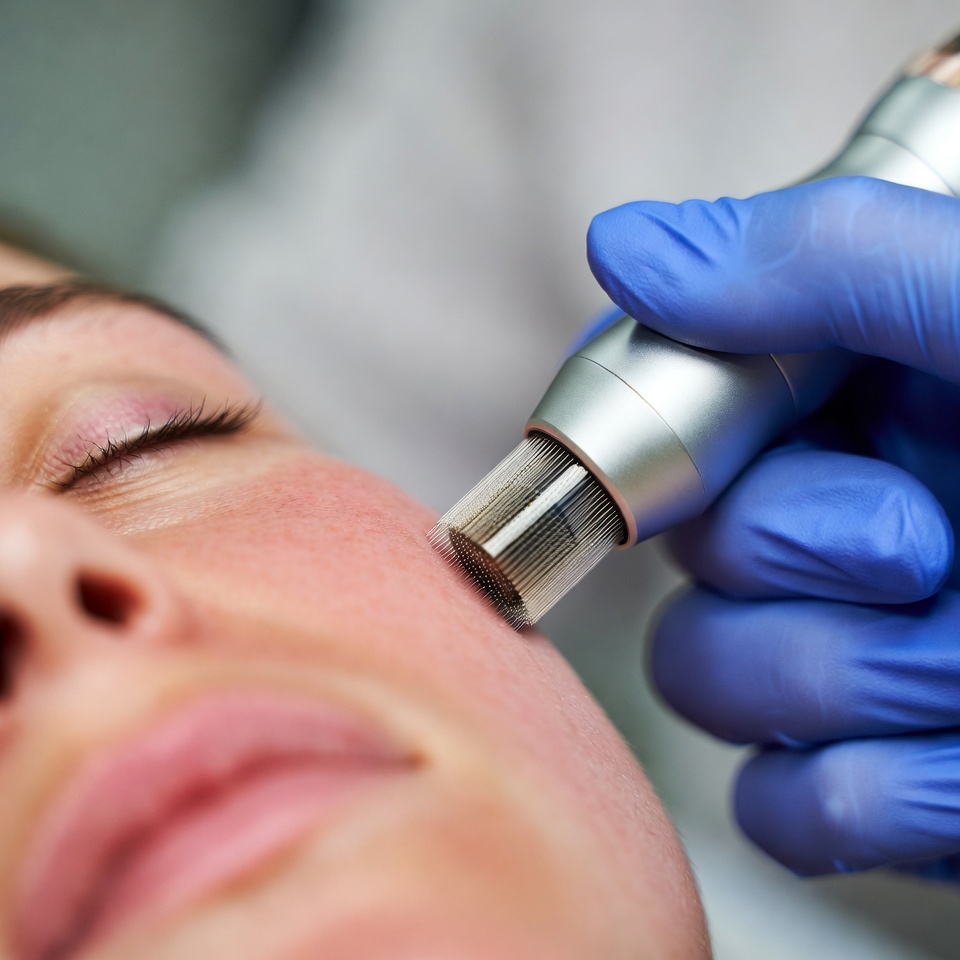
Skin-texture treatments such as microneedling for collagen support are another layer some people add, though providers often adjust retinol use around them.
Compare Your Options With a Qualified Provider
The right answer to Botox® vs retinol depends on your wrinkles. Botox® targets muscle-driven lines, retinol improves skin quality over time, and the two can work well together. A short consultation can show which approach fits your goals, skin type, and comfort level. Results vary, and a licensed provider can set realistic expectations before you decide. To talk through your choices, schedule a consultation with Dr. B, a physician certified in aesthetic medicine with over 20 years of experience in Internal Medicine, at our Northeast Philadelphia clinic. She personally performs every treatment and focuses on subtle, natural-looking results.
Avellina Aesthetics welcomes patients from Abington, Delaware, Southampton, Maryland, Allentown, Horsham, and Huntingdon Valley.
Frequently Asked Questions
Is Botox® better than retinol for wrinkles?
Botox® is better for expression lines, while retinol is better for fine lines and texture. Botox® directly relaxes the muscles that crease the skin, so its effect on frown and forehead lines is more noticeable. Retinol works gradually at the skin surface. The better choice depends on the type of wrinkle you have.
Can retinol replace Botox®?
No, retinol cannot replace Botox® for muscle-driven wrinkles. It improves skin quality but does not stop the movement that creates expression lines. It works well as a complement. For skin renewal, a provider may also discuss PRP-based facial rejuvenation, an off-label option that uses your own blood. Research on its effect on wrinkles is still developing.
Should I stop using retinol before Botox®?
Not always, but tell your injector first. Many providers are comfortable with routine retinol use, though they may ask you to pause it for a few days if your skin is red, peeling, or irritated. Follow your provider's specific instructions.
What is the best age to start Botox® or retinol?
There is no single right age. Some people begin retinol in their twenties or thirties as prevention, while Botox® is usually considered once expression lines become noticeable. Your skin, goals, and lifestyle matter more than the number.
How long do Botox® and retinol results last?
Botox® results typically last about three to four months, then gradually fade. Retinol results build over several months and continue only while you keep using it. Both require ongoing maintenance, and individual results vary.
Educational information; your clinician can advise on care that is appropriate for you.