
If you are looking for STD treatment in Bucks County, PA, the most important thing to know is this: most sexually transmitted infections are easy to diagnose and highly treatable, especially when caught early. Bacterial infections such as chlamydia, gonorrhea, and syphilis are cured with antibiotics. Viral infections such as herpes and HIV are managed effectively with prescription antiviral medication. The sooner you are tested and treated, the lower your risk of long-term complications.
Avellina Aesthetics is a physician-led clinic in Northeast Philadelphia serving patients across Bucks County. Dr. Violetta Berdichevskaya has practiced Internal Medicine for more than 20 years, and every visit is private and judgment-free. This page explains what STD treatment involves, which infections are treated, what to expect at your appointment, and how to protect your health afterward.
STD Treatment at a Glance
The essentials in brief: testing involves a urine sample, blood draw, or swab to identify the specific infection. Bacterial STDs are cured with antibiotics, while viral STDs are controlled with antivirals, and many treatment plans begin the same day results are confirmed — sometimes even the same day you’re seen. Recent partners should be notified and treated to prevent reinfection, and retesting is recommended about three months after treatment for chlamydia and gonorrhea. Your results and records are protected under federal medical privacy law throughout.
What Is STD Treatment?
STD treatment is the medical process of diagnosing a sexually transmitted infection and prescribing medication to cure it or keep it under control. It begins with a confidential conversation about your symptoms, sexual history, and any exposure you are concerned about. Your doctor then orders the appropriate lab tests and prescribes a treatment tailored to the infection you have.
The terms STD (sexually transmitted disease) and STI (sexually transmitted infection) are used interchangeably. Clinicians increasingly prefer STI because many infections cause no symptoms at all, which is exactly why routine screening matters even when you feel fine.
Common STDs We Test For and Treat
The infections below account for the large majority of cases seen in Pennsylvania. Each has a well-established treatment path.
| Infection | Type | How It Is Treated | Typical Outcome |
|---|---|---|---|
| Chlamydia | Bacterial | Oral antibiotics | Cured |
| Gonorrhea | Bacterial | Antibiotic injection, sometimes with oral medication | Cured |
| Syphilis | Bacterial | Penicillin injection (dose depends on stage) | Cured |
| Trichomoniasis | Parasitic | Oral antiparasitic medication | Cured |
| Genital herpes (HSV) | Viral | Antiviral medication for outbreaks or daily suppression | Managed |
| HIV | Viral | Antiretroviral therapy | Managed; undetectable viral load possible |
| HPV | Viral | Treatment of warts or abnormal cells; vaccine for prevention | Often clears on its own |
Bacterial STDs: Chlamydia, Gonorrhea, and Syphilis
These three infections are the most frequently diagnosed and the most straightforward to cure. Chlamydia often causes no symptoms, so it is regularly found during routine screening. Gonorrhea is treated with an antibiotic injection because oral drugs alone are no longer reliable. Syphilis progresses through stages, so identifying it early keeps treatment simple and prevents damage to the heart and nervous system.
Viral STDs: Herpes, HIV, and HPV
Viral infections cannot be eliminated with antibiotics, but they are very manageable. Antiviral medication shortens herpes outbreaks and, taken daily, reduces recurrences and transmission to a partner. Modern HIV therapy can lower the virus to undetectable levels, which means it cannot be transmitted sexually. HPV usually clears on its own, and vaccination prevents the strains linked to cancer and genital warts.
Symptoms That Warrant Testing
Many people with an STD have no symptoms, so exposure alone is a valid reason to get tested. The following signs should prompt a visit soon:
- Burning or pain during urination
- Unusual discharge from the penis or vagina
- Sores, blisters, bumps, or a rash on or around the genitals, mouth, or anus
- Itching, irritation, or swelling in the genital area
- Pain during intercourse or lower abdominal pain
- Flu-like symptoms after a new sexual contact
What to Expect During Your Visit
Knowing the process ahead of time makes the appointment easier.
Step 1: Private Consultation
You will speak with the doctor one-on-one about your symptoms, recent partners, and any specific exposure. Nothing you share leaves the exam room.
Step 2: Testing
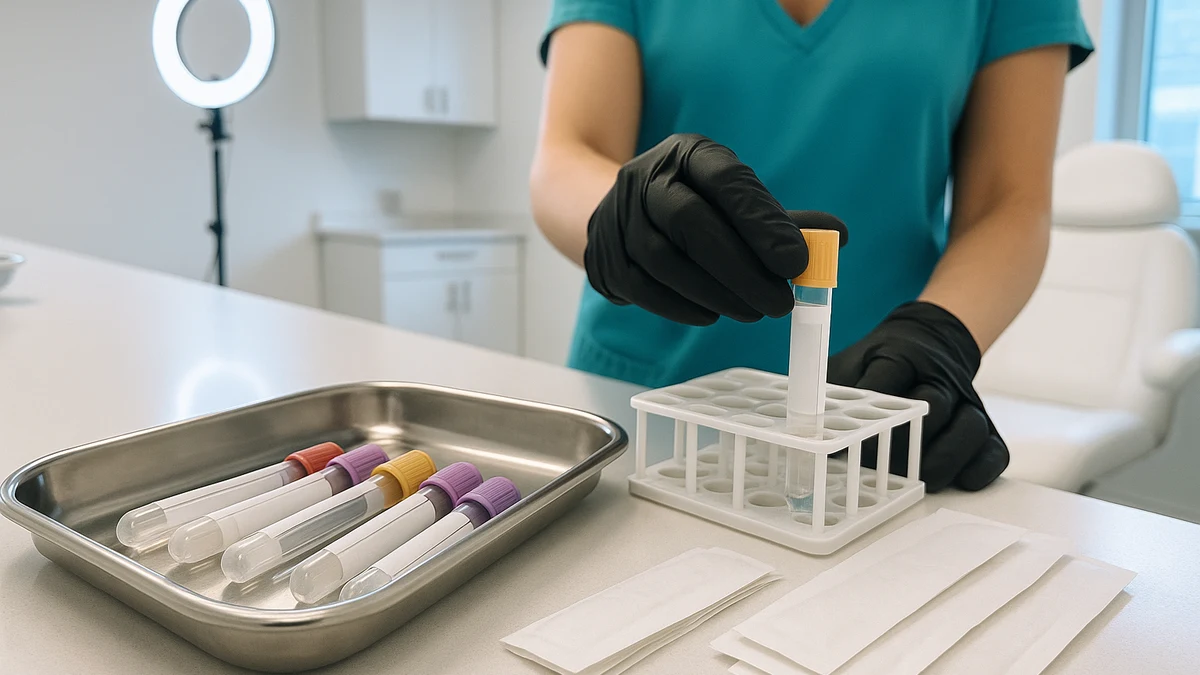
Testing may involve a urine sample, a blood draw, a swab of the throat, genital area, or rectum, or a combination. Samples are collected in minutes and sent to a certified laboratory.
Step 3: Results and Treatment Plan
Results for most tests return within a few days. If you have clear symptoms of a bacterial infection, treatment may begin at the first visit. Once results are in, the doctor prescribes the correct medication and explains exactly how to take it.
Step 4: Partner Notification and Follow-Up
Recent partners should be informed and treated so the infection does not pass back to you. You will also be advised to abstain from sex until treatment is complete and, for chlamydia and gonorrhea, to return for a retest in about three months. Booking that follow-up through the appointment request page takes only a minute and keeps your care on schedule.
Why Early Treatment Matters
Untreated STDs rarely go away on their own, and the consequences build over time. Chlamydia and gonorrhea can lead to pelvic inflammatory disease, infertility, and ectopic pregnancy in women, and to epididymitis in men. Untreated syphilis can affect the brain and heart, and any untreated infection raises the likelihood of acquiring or transmitting HIV.
Preventing Reinfection After Treatment
Finishing your medication is only part of the plan. These steps reduce your risk of reinfection:
- Take every dose exactly as prescribed, even if symptoms disappear early.
- Wait until both you and your partner have completed treatment before resuming sex.
- Use condoms consistently, especially with new partners.
- Ask about HPV and hepatitis B vaccination if you have not received them.
- Schedule routine screening every year, or more often if you have new or multiple partners.
Why Choose a Physician-Led Clinic in Bucks County
Urgent care and anonymous labs work, but they often mean a different provider each time and little guidance after the prescription is written. At Avellina Aesthetics, you see the same internal medicine physician from consultation through follow-up, and related concerns such as preventive screening can be handled in the same visit. The office is a short drive from Southampton, Feasterville, and Bensalem.
Key Takeaways
Most STDs are curable with antibiotics, and viral STDs are highly manageable with antivirals. Many infections cause no symptoms, so exposure alone is reason enough to get tested. Early treatment prevents infertility, chronic pain, and serious long-term complications, and partners must be treated at the same time to avoid reinfection. Retesting about three months after treatment confirms the infection is gone.
Take the Next Step Toward Peace of Mind
Choosing STD treatment in Bucks County, PA should not be stressful. A single confidential visit can answer your questions, start the right medication, and put a plan in place to protect your health going forward. Avellina Aesthetics welcomes patients from Abington, Southampton, Bucks County, and Philadelphia for discreet, physician-led testing and treatment. Call (215) 722-6022 or request an appointment online to schedule your visit.
Frequently Asked Questions
Cost depends on which tests are ordered and whether you use insurance. Most plans cover STD screening as preventive care, and self-pay pricing is available. Call the office for an estimate.
Most results return within two to five business days. Rapid tests for certain infections can provide results the same day, and treatment for symptomatic bacterial infections can often start before lab confirmation.
Yes, in many cases. If your symptoms clearly point to a bacterial infection such as gonorrhea or chlamydia, the doctor may prescribe treatment at your first visit rather than waiting for results.
Yes. Your results are protected health information under federal law and are not shared without your written consent. Pennsylvania also allows adults to be tested and treated without notifying anyone else.
A private physician office is a good alternative to urgent care. Avellina Aesthetics serves Bucks County patients from its Northeast Philadelphia location, offering testing and treatment with the same doctor at every visit.
No. Your partner does not need to attend, but they should be tested and treated separately. Treating both partners at the same time prevents reinfection.
Once a year is the standard recommendation for sexually active adults, and every three to six months for anyone with new or multiple partners. Pregnant women should also be screened.
Untreated infections can cause pelvic inflammatory disease, infertility, chronic pain, pregnancy complications, and, in the case of syphilis, damage to the heart and nervous system. They also make it easier to acquire and transmit HIV.