
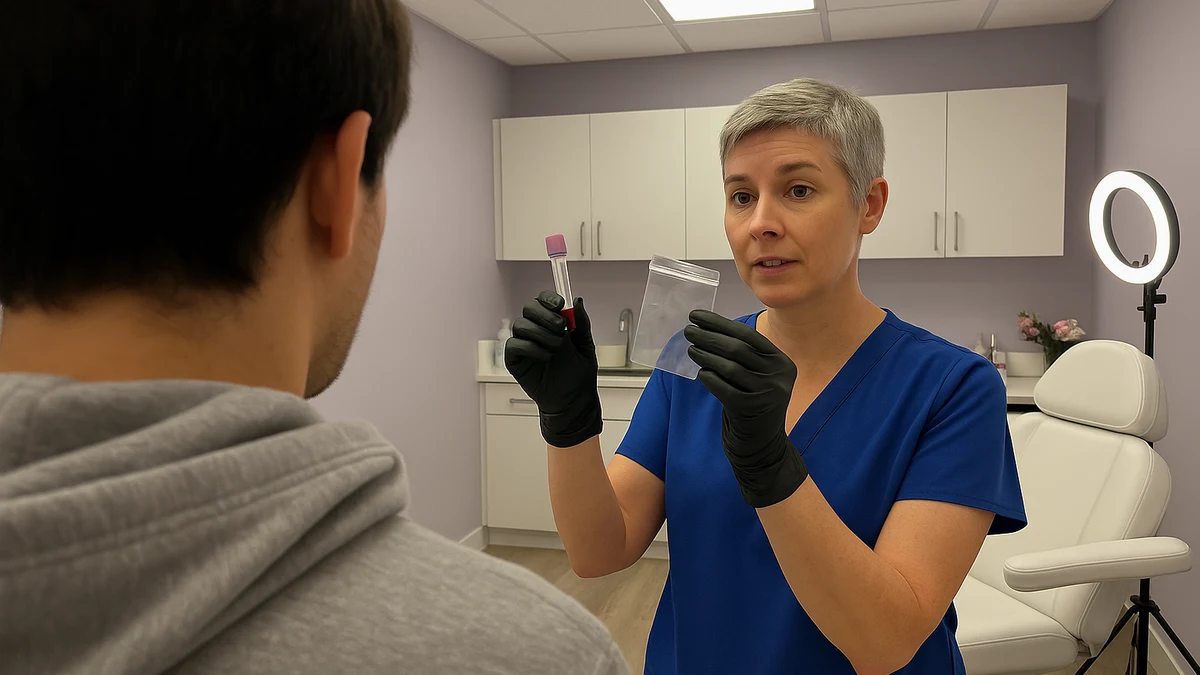
If you are looking for STD treatment in Abington, PA, the most important thing to know is this: most sexually transmitted infections are treatable, many are fully curable, and getting care early protects your health, your partner’s health, and your peace of mind. Avellina Aesthetics offers discreet testing and treatment under the care of a physician who has practiced internal medicine for more than 20 years, just a short drive from Abington.
This page explains what STD treatment involves, which infections can be treated, what to expect at your visit, and how to prevent reinfection, so you can walk in feeling informed rather than anxious.
What STD Treatment Involves
STD treatment is the medical process of confirming which infection is present, prescribing the right medication, and following up to make sure the infection has cleared. The terms STD and STI (sexually transmitted infection) are used interchangeably; many infections cause no symptoms at all, so someone can carry and pass one without ever feeling sick.
Treatment starts with testing, which may involve a urine sample, blood draw, swab, or exam. Treatment then falls into one of three categories:
- Curable bacterial and parasitic infections such as chlamydia, gonorrhea, syphilis, and trichomoniasis, treated with antibiotics or antiparasitic medication.
- Manageable viral infections such as herpes and HIV, controlled with antiviral medication to reduce symptoms and transmission risk.
- Conditions such as HPV, where the body often clears the virus on its own and treatment targets visible warts or abnormal cells.
Infections Commonly Diagnosed and Treated
An internal medicine physician can evaluate and manage the full range of common infections, including chlamydia, gonorrhea, syphilis, trichomoniasis, genital herpes (HSV-1 and HSV-2), HPV and genital warts, hepatitis B and C, HIV, and mycoplasma genitalium. Bacterial vaginosis and yeast infections are not STDs, but they are often evaluated at the same visit because symptoms overlap.
Signs You Should Get Tested
Many people with an STD have no symptoms, which is why routine screening matters. These signs should prompt a visit sooner rather than later:
- Unusual discharge from the penis, vagina, or rectum
- Burning or pain during urination
- Sores, blisters, bumps, or a rash on or around the genitals, mouth, or anus
- Pain during sex or pelvic and lower abdominal pain
- Bleeding between periods or after intercourse
- A partner who has tested positive or told you they have symptoms
Also consider testing after unprotected sex with a new partner, after a condom breaks, or when starting a new relationship. The CDC recommends yearly chlamydia and gonorrhea screening for sexually active women under 25 and at least one HIV test for everyone between 13 and 64.
How STD Treatment Works: Step by Step
Knowing what to expect removes most of the anxiety. A typical visit unfolds like this:
- Private consultation. You describe your symptoms, sexual history, and any known exposure in a confidential, judgment-free setting.
- Physical examination, only if you have visible symptoms. Many visits require no exam at all.
- Sample collection. A urine sample, blood draw, or swab is collected depending on the concern.
- Laboratory testing. Most results return within one to three business days; HIV and syphilis can take slightly longer.
- Treatment. With a clear diagnosis or known exposure, treatment may begin the same day. Otherwise, a prescription is sent to your pharmacy once results confirm the infection.
- Partner notification. Partners from the past 60 days should be tested and treated.
- Follow-up. Retesting about three months after treatment is recommended for chlamydia and gonorrhea because reinfection is common.
Treatment Options by Infection
Every plan is individualized, but the table below summarizes the standard approach for the most common infections.
| Infection | Typical Treatment | Curable? | Follow-Up |
|---|---|---|---|
| Chlamydia | Oral antibiotic course (usually 7 days) | Yes | Retest at 3 months |
| Gonorrhea | Single antibiotic injection | Yes | Retest at 3 months |
| Syphilis | Penicillin injection (dose depends on stage) | Yes | Blood tests at 6 and 12 months |
| Trichomoniasis | Oral antiparasitic medication | Yes | Retest within 3 months |
| Genital herpes | Antiviral tablets for outbreaks or daily suppression | No, but controllable | As needed for outbreaks |
| HPV / genital warts | Topical medication or wart removal | Virus often clears on its own | Pap or HPV screening as recommended |
| HIV | Daily antiretroviral therapy | No, but suppressible to undetectable | Ongoing viral load monitoring |
Avoid all sexual contact until you have finished your medication and, for single-dose treatments, for seven days afterward. Your partner should also complete treatment before you resume sex, otherwise the infection can bounce back and forth.
Why Early Treatment Matters
Untreated infections rarely stay where they start. Chlamydia and gonorrhea can spread to the uterus and fallopian tubes, causing pelvic inflammatory disease, chronic pain, and infertility, and in men can lead to epididymitis. Untreated syphilis can eventually damage the heart, brain, and nervous system. Any active STD also makes it easier to acquire or transmit HIV.
Early treatment is also simpler: chlamydia caught early needs one short antibiotic course, while the same infection found after complications may need stronger medication and sometimes hospitalization.
Confidential, Judgment-Free Care Near Abington
Care is provided by Dr. Violetta Berdichevskaya, an internal medicine physician with over 20 years of experience, in a private office rather than a crowded clinic. Your records are protected under HIPAA and never shared without your consent.
Patients from Abington, Willow Grove, Jenkintown, and Glenside are typically just a short drive from the office. If you have symptoms now or want to be seen quickly after an exposure, request a same-week visit through the confidential appointment form and mention that you would like a private sexual health visit.
Preventing Reinfection After Treatment
Successful treatment does not create immunity; you can get the same infection again from an untreated partner or a new exposure. A few habits make a real difference:
- Use condoms or dental dams consistently, especially with new or non-monogamous partners
- Make sure every recent partner is tested and treated before resuming sex
- Ask about the HPV vaccine, which is recommended through age 26 and available up to age 45
- Schedule routine screening every 3 to 12 months depending on your risk
Key Takeaways
Most STDs are curable, and the rest are highly manageable with the right medication. Partners must be treated at the same time to prevent reinfection, and early care helps prevent complications such as pelvic inflammatory disease and infertility. Testing and treatment are confidential and often covered by insurance.
Take the Next Step Toward Peace of Mind
Getting STD treatment in Abington should feel like relief, not another thing to stress about. Whether you have symptoms, a known exposure, or simply want reassurance, a private visit with an experienced physician gives you clear answers and a plan you can act on right away. Avellina Aesthetics welcomes patients from Abington, Southampton, Bucks County, and Philadelphia who want discreet, professional sexual health care. Reach out today to schedule your confidential consultation.
Frequently Asked Questions
In most cases you can be seen within a few days, and treatment for a confirmed or strongly suspected infection can often begin at the first visit. Lab results typically return in one to three business days.
Yes. Your visit, results, and treatment are protected under federal privacy law and shared only with you unless you give written permission. Certain infections are reported to the state health department for tracking, but your name is not made public.
It depends on the infection. Chlamydia and gonorrhea can usually be detected within one to two weeks of exposure, while syphilis and HIV tests are most reliable at three to six weeks. Testing too early can produce a false negative, so your doctor may suggest specific timing.
Yes, and you should be. Most chlamydia and gonorrhea infections cause no symptoms, yet they can still cause long-term damage and be passed to partners. Treatment is the same whether or not you feel sick.
Most health insurance plans cover STD screening and treatment as preventive or medically necessary care. Self-pay options are also available if you prefer not to use insurance for privacy reasons.
Often, yes. Pennsylvania permits expedited partner therapy for chlamydia and gonorrhea, so an eligible partner can receive medication without a separate visit. For other infections, your partner should schedule their own appointment.
Prompt treatment protects fertility rather than harming it. The risk comes from untreated infections, particularly chlamydia and gonorrhea, which can scar the reproductive tract over time. The medications themselves don't harm fertility — the real risk comes from letting the infection go untreated.
For most bacterial infections, completing the full course of medication is enough, and a test of cure is not required. Retesting about three months later is recommended for chlamydia, gonorrhea, and trichomoniasis to catch reinfection.