
Dermal fillers in Abington have become one of the most requested treatments for men and women who want to soften lines, restore lost volume, and refresh their appearance without surgery or extended downtime. As skin ages, it gradually loses collagen and elasticity, which leads to hollow cheeks, thinning lips, and deepening folds around the nose and mouth. Injectable fillers use safe, FDA-approved gel formulations to replenish that lost structure, giving the face a fuller, more rested look that still feels natural. This page walks through how dermal fillers work, what results to expect, and what Abington patients should know before booking a consultation.
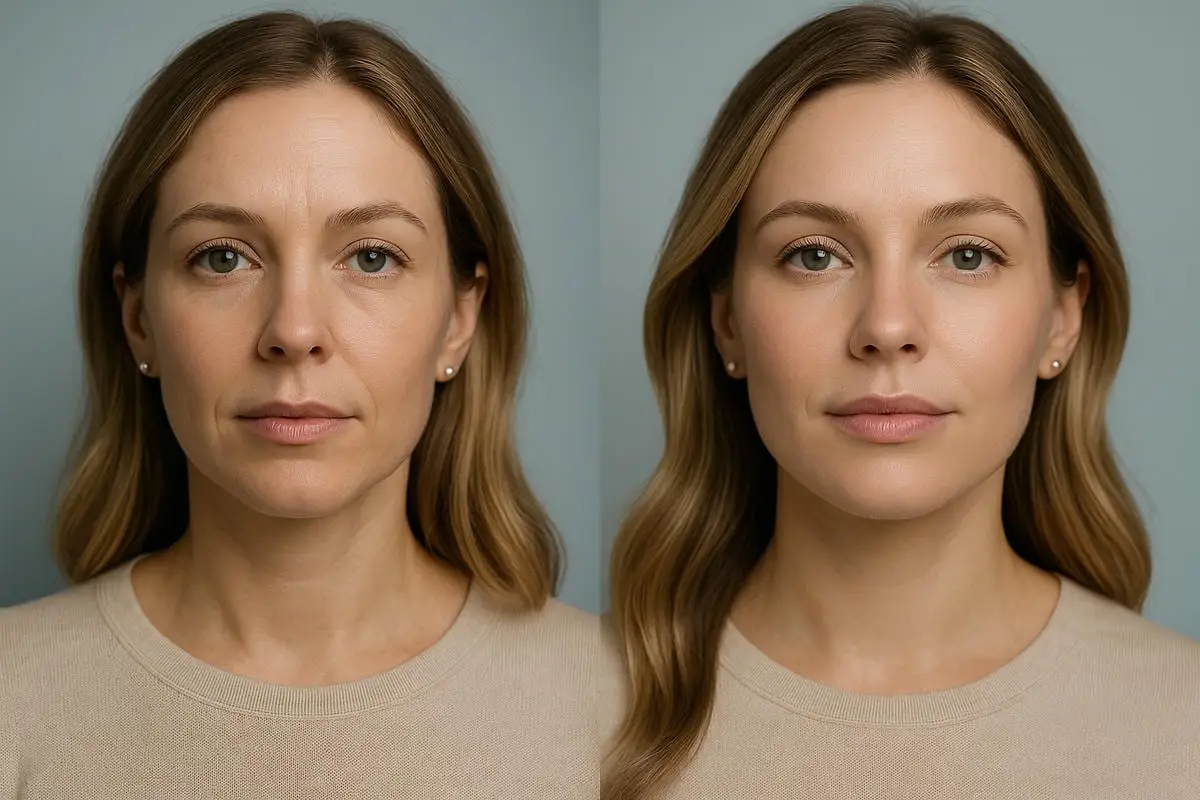
Dermal Fillers at a Glance
Dermal fillers are injectable gels, most often made from hyaluronic acid, that restore volume, smooth creases, and enhance contours in areas like the cheeks, lips, jawline, and under-eyes. A typical session takes fifteen to thirty minutes, involves little to no downtime, and produces results that last anywhere from six months to two years depending on the product used and the area treated. Abington residents looking for dependable, dermal fillers Bucks County families already rely on will find that treatment planning and injector experience make the biggest difference in the outcome.
What Are Dermal Fillers?
Dermal fillers are gel-based injectables built primarily from hyaluronic acid, a substance the body already produces to keep skin hydrated and plump. Once placed beneath the skin, the gel adds volume, smooths visible creases, and helps rebuild the structural support that diminishes with age and sun exposure. Providers choose among several filler formulations designed for different goals, since a product built for cheek volume behaves differently than one designed for delicate lip tissue.
How Dermal Fillers Work
The gel used in most fillers binds with water once injected, which is what creates the plumping, hydrating effect patients notice almost immediately. Over the following weeks, the filler settles into place and stimulates a mild collagen response, which is part of the process of smoothing out fine lines and restoring lost volume from within. Because the gel integrates with the body’s own tissue, movement and expression continue to look natural rather than frozen or overfilled.
Popular Treatment Areas
Fillers can be used across the face to address a wide range of concerns. The most requested areas among Abington patients include:
- Cheeks, for restoring youthful contour and lift
- Lips, for added fullness and definition
- Nasolabial folds, the creases running from nose to mouth
- Marionette lines, along the lower jaw and chin
- Jawline, for stronger definition without surgery
- Under-eyes, to soften hollows and shadowing
- Temples, to correct age-related sunken areas
Benefits of Dermal Fillers for Abington Patients
Beyond simply adding volume, fillers offer a level of precision that allows an experienced injector to reshape and rebalance facial features in a single visit. Many patients come in with a single line or hollow they want addressed, only to discover that the treatment plays a role in improving facial balance and symmetry across the whole face, since the structures of the cheeks, jaw, and lips all influence one another visually.
What Results Look Like
Results appear gradually as any initial swelling resolves, with the final look typically visible within one to two weeks. Skin looks smoother, hollow areas fill back in, and the overall face often appears less tired, which is the kind of transformation many patients experience once they see their own before-and-after comparisons. Results are not permanent, since the body slowly metabolizes the hyaluronic acid gel, which is why most patients schedule touch-up appointments every six to eighteen months.
What to Expect During Treatment
A filler appointment follows a fairly predictable process from consultation through aftercare.
- Consultation: The injector reviews facial anatomy, goals, and medical history, and walks through important safety considerations for first-time patients so there are no surprises about bruising, swelling, or product choice.
- Numbing: A topical anesthetic or the lidocaine already blended into most filler gels keeps the injection comfortable.
- Injection: The filler is placed using a needle or cannula, with the injector shaping the result in real time.
- Aftercare: Ice, minimal touching of the treated area, and avoiding strenuous exercise for a day help reduce swelling.
Comparing Filler Brands
Not every filler brand behaves the same way once injected, and understanding those differences helps set realistic expectations. Patients often ask their injector about comparing two of the most trusted filler brands on the market, since each has its own consistency, longevity, and ideal use case depending on whether the goal is subtle hydration or dramatic volume restoration.
Pairing Fillers With Other Treatments
Many Abington patients pair dermal fillers with complementary treatments for a more complete rejuvenation plan. Neuromodulator injections address the dynamic wrinkles caused by muscle movement, which is why it’s common to combine filler appointments with the Botox treatments available to Abington patients seeking to soften forehead lines or crow’s feet at the same visit.
Fillers themselves also vary by manufacturer, and the practice works with premium injectable formulations trusted throughout the region, allowing the injector to match product viscosity and longevity to each patient’s skin type and treatment area.
Who Is a Good Candidate?
Good candidates are generally healthy adults who want to address volume loss, soften lines, or enhance existing features without surgery. Candidacy depends less on age and more on skin condition, goals, and medical history, which is why every treatment plan starts with a review of the injector’s training and experience alongside a physical assessment of the treatment area. Patients with certain bleeding disorders, active infections near the injection site, or known allergies to filler ingredients should discuss alternative options with their provider before scheduling treatment.
Choosing a Provider in Abington
Because filler placement directly affects both safety and appearance, the injector’s technique matters as much as the product itself. Look for a provider who explains the plan clearly, uses board-appropriate products, and takes time to assess facial anatomy rather than offering a one-size-fits-all treatment. A thorough consultation should also cover product options, expected longevity, and a realistic timeline for follow-up visits, so patients leave the first appointment with a clear understanding of the full treatment journey ahead. Transparent pricing and a willingness to answer questions in plain language are both good signs of a provider who prioritizes patient comfort over a quick upsell.
Dermal Fillers: Key Takeaways
- They restore volume and smooth wrinkles using hyaluronic acid gel
- Results typically last six months to two years
- Treatment takes fifteen to thirty minutes with minimal downtime
- Cheeks, lips, jawline, and under-eyes are the most common areas treated
- Pairing fillers with Botox often improves overall results
- Choosing an experienced injector affects both safety and appearance
Ready to Restore Your Natural Contours?
Dermal fillers offer a straightforward, low-downtime way to soften lines, rebuild volume, and refresh facial balance without surgery. Whether the goal is fuller lips, smoother cheeks, or a more defined jawline, a personalized treatment plan makes the difference between a subtle, natural result and one that looks overdone. Patients throughout the area trust Avellina Aesthetics for individualized filler consultations and experienced injection technique.
Locations Served
Avellina Aesthetics provides dermal filler treatments to patients throughout Philadelphia, Southampton, Bucks County, Abington, Maryland, Delaware, and Huntingdon Valley.
Frequently Asked Questions
Most hyaluronic acid fillers last between six months and two years, depending on the product, treatment area, and individual metabolism.
Most patients describe mild discomfort rather than significant pain, since topical numbing and lidocaine-blended gels keep the process tolerable.
Pricing depends on the product used and the number of syringes needed, and costs are typically discussed during an in-person consultation.
Hyaluronic acid fillers are FDA-approved and considered safe when administered by a trained injector who follows proper technique and sterile protocol.
Results are often visible immediately, with any residual swelling resolving within one to two weeks to reveal the final outcome.
Yes, hyaluronic acid fillers can be dissolved using an enzyme called hyaluronidase if a patient is unhappy with the outcome.
Botox relaxes the muscles that cause dynamic wrinkles, while fillers add volume and structure to areas that have lost fullness.
Pregnant or breastfeeding women, and patients with active skin infections or certain autoimmune conditions, are generally advised to postpone filler treatment until cleared by a physician.