Yes, you can sleep after Botox®, but timing and position matter. Most providers ask patients to stay upright for about four hours after treatment, so a nap right away is usually discouraged. After that, you can lie down and sleep that night, ideally on your back with your head slightly raised.
This guide explains how long after Botox® you can lie down, which sleeping positions after Botox® treatment are safest, and what to do if you doze off early. Aftercare instructions can vary by provider and treatment area, so your injector’s own instructions always come first.
Can You Sleep After Botox®? The Short Answer
You can sleep the same night as your appointment. The main rules are to avoid lying flat for the first few hours and to avoid pressing or rubbing the treated areas, including with a pillow, for about 24 hours.
The reasoning is cautious rather than proven. Research on exact lying-down times is limited, so the guidance comes mainly from clinical practice and provider protocols. Following it costs you very little, and it may help your Botox® treatment settle as planned.
How Long After Botox® Can You Lie Down?
Most providers recommend waiting about four hours. Some ask for a shorter or longer window, so confirm the timing with the person who treated you. A typical timeline looks like this:
- First 4 hours: Stay upright. Sit, stand, or walk, and skip naps and reclining.
- 4 to 24 hours: Lying down is generally fine. Sleep on your back and keep your head raised.
- After 24 hours: Normal sleep is usually fine, though some providers prefer you avoid face-down sleeping a little longer.
If you want to know when it is safe to work out again, the same 24-hour caution usually applies to strenuous exercise.
Best Sleeping Positions After Botox® Treatment
Sleeping on your back is the safest option. It keeps pressure off your forehead, brow, and eye area, which are the most common injection sites.
- Back, head elevated: Add a second pillow or use a wedge to lift your head slightly. This can also reduce morning puffiness.
- Avoid your stomach: Face-down sleeping presses on the treated muscles and is the position to skip first.
- Side sleeping: Avoid it the first night if you can. If you are a dedicated side sleeper, place pillows on both sides to stay put, and ask your provider what they prefer.
- Clean pillowcase: Use fresh linens, since fresh injection sites can be tender and prone to small bumps.
Try the setup before bedtime. If you usually toss and turn, a body pillow or a rolled towel on each side can keep you from drifting onto your face overnight. Travel pillows also work well for people who sleep restlessly.
Patients who treat the forehead or frown lines often notice tightness or mild tenderness on the first night. That is normal. Avoid pressing, rubbing, or checking the area repeatedly, since gentle habits give the product the best chance to settle where it was placed.
What If You Fall Asleep or Lie Down Too Soon?
A short slip is unlikely to ruin your results, though no one can promise that. If you doze off within the first four hours, sit up, avoid touching your face, and continue your aftercare as normal. Let your provider know if you are worried.
Call your provider if you notice uneven brows, a heavy eyelid, or asymmetry in the days or weeks after treatment. Seek urgent medical care for trouble swallowing, speaking, or breathing, or for widespread muscle weakness, since these can appear hours to weeks after treatment. They are rare, and the FDA includes them in Botox® safety labeling.
Other Aftercare Habits That Protect Your Results
Results usually begin within a few days and fill in over about two weeks. A review in American Family Physician notes that effects take roughly two weeks to fully develop and last three to four months.
You can also read how long Botox® typically lasts to plan your next visit. Skin care matters too, so see this guide to washing your face and showering safely in the first day.
For a quick checklist, review the full list of post-Botox® dos and don’ts. Avoid facials, massages, tight headbands, and alcohol for the first day unless your provider says otherwise.
Will Sleep Lines Go Away With Botox®?
Not entirely. Botox® softens expression lines caused by muscle movement, but sleep lines come from pressure on the skin. Sleeping on your back may help reduce new ones over time, and hyaluronic acid fillers are sometimes used for deeper creases.
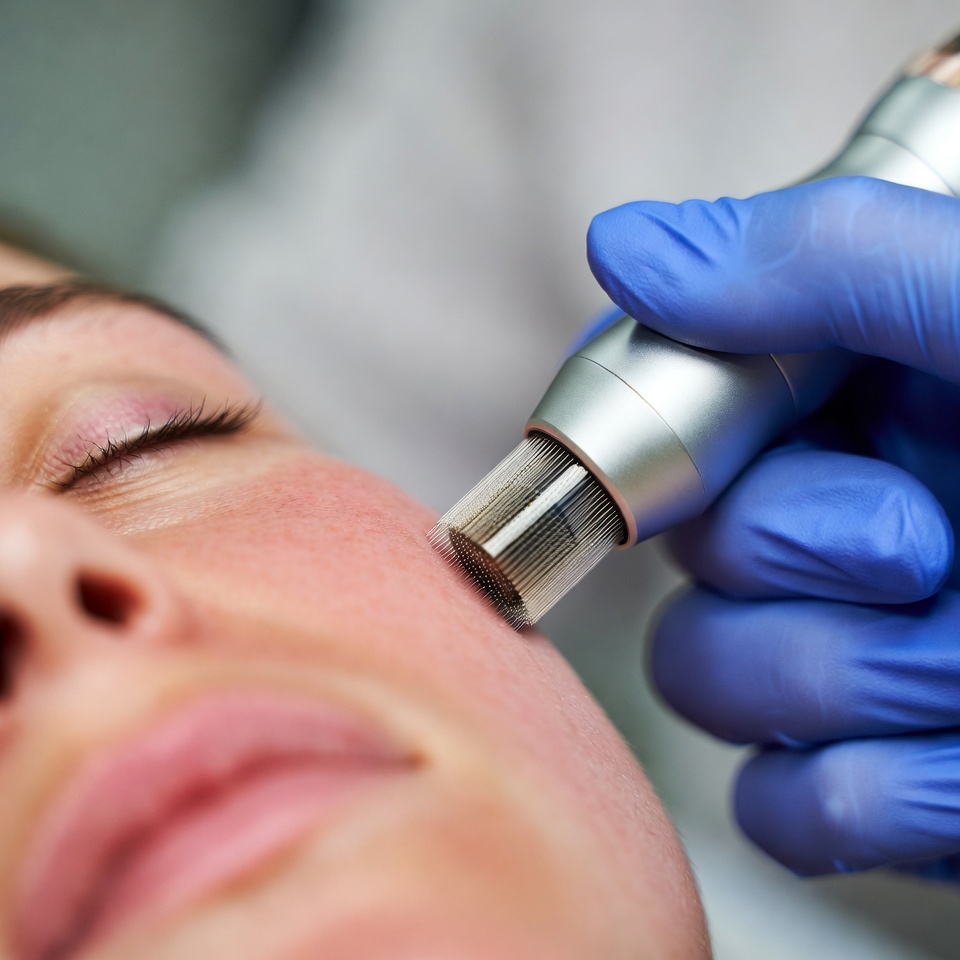
Some patients also pair treatments with microneedling for skin texture. Your provider can tell you which approach fits your skin.
Plan Your Botox® Visit With Confidence
You can sleep after Botox®. Stay upright for about four hours, rest on your back with your head raised, and avoid pressure on your face for 24 hours. Small habits like these protect your results and keep recovery simple.
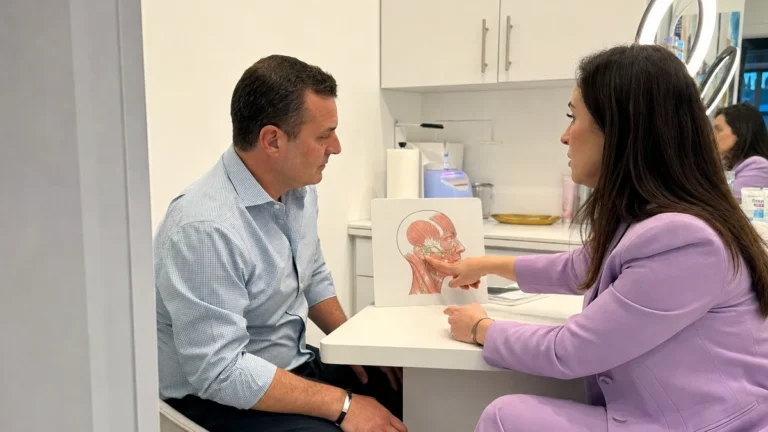
If you have questions about aftercare or want to explore treatment, book a consultation with Dr. B, a physician certified in aesthetic medicine with over 20 years of experience in Internal Medicine, at our Northeast Philadelphia clinic. She will review your goals, explain what to expect, and go over your aftercare instructions before you leave.
Avellina Aesthetics welcomes patients from Abington, Delaware, Southampton, Maryland, Allentown, Horsham, and Huntingdon Valley.
Frequently Asked Questions
Can I take a nap after Botox®?
Not right away. Wait about four hours before lying down, since most providers prefer you stay upright. After that, short rests are generally fine if you stay on your back and keep your face off the pillow.
Can I sleep on my side after Botox®?
It is best to avoid it the first night. Side sleeping presses one side of your face into the pillow. After 24 hours, many providers say it is fine, but follow your own instructions.
Can I sleep on my stomach after Botox®?
Avoid it for at least 24 hours, and ask your provider if they want you to wait longer. Stomach sleeping puts constant pressure on the treated areas and is the position most likely to break aftercare rules.
What happens if I lie down too soon after Botox®?
Most often, nothing noticeable happens. The concern is that pressure could affect where the product settles, but evidence is limited. If you notice asymmetry or a drooping lid, contact your provider.
How long should I sleep on my back after Botox®?
Most people sleep on their back the first night and return to their usual position after about 24 hours. If you had several areas treated, ask whether to wait a little longer.
When will I see Botox® results?
Early changes often start within three to seven days, and results usually reach full effect at about two weeks. The timing varies by person, treatment area, and dose.
Educational information; your clinician can advise on care that is appropriate for you.