
If diets, gym memberships, and willpower alone haven’t delivered the results you were hoping for, medical weight loss may be the missing piece. Unlike generic weight-loss plans, this approach combines physician oversight, lab-based health screening, and FDA-approved medications like semaglutide and tirzepatide to address the biological factors that make weight loss so difficult for many adults. The result is a plan built around your metabolism, your health history, and your goals rather than a one-size-fits-all calorie chart.
This page explains how medical weight loss works, who typically qualifies, what to expect from treatment, and how Bucks County residents can get started with a program that’s actually designed around their bodies.
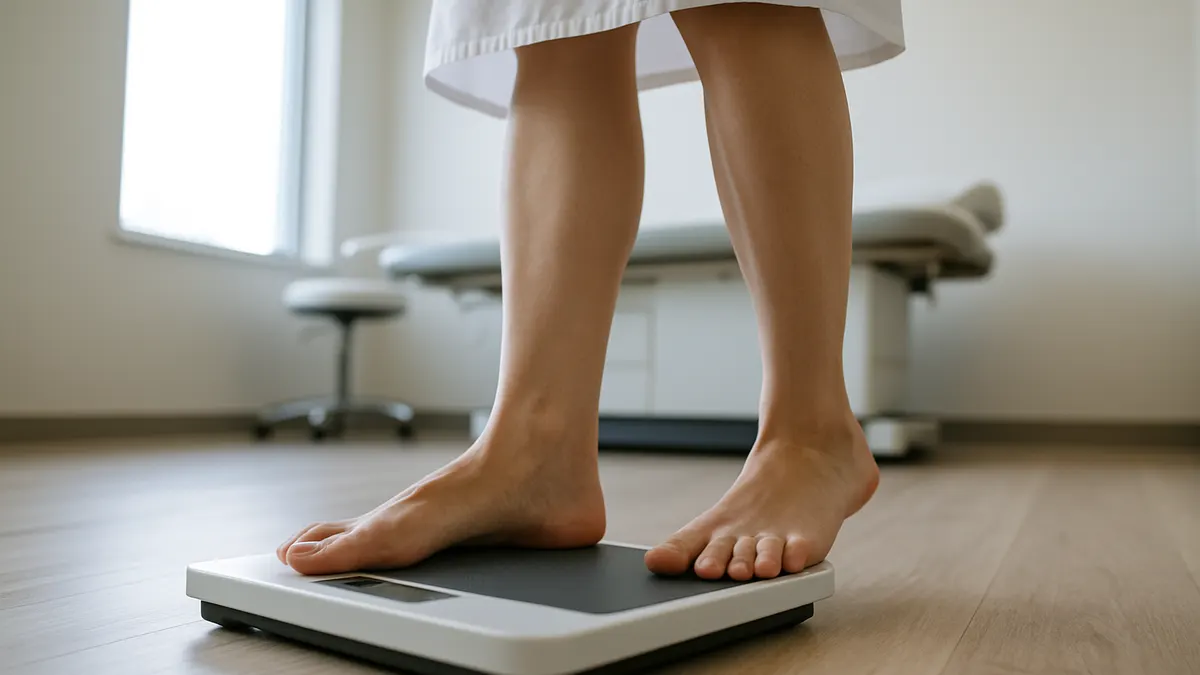
What Is Medical Weight Loss?
Medical weight loss is a physician-supervised approach to losing weight that uses clinical tools, lab testing, and prescription medication alongside nutrition and lifestyle coaching. Rather than guessing which diet might work, a licensed provider evaluates your hormone levels, metabolic health, and any underlying conditions before building a plan around what your body actually needs.
Most programs include:
- A detailed health and weight history review
- Body composition and metabolic assessment
- Prescription medication when clinically appropriate (such as GLP-1 injections)
- Ongoing monitoring with dosage adjustments
- Nutrition and behavior-change coaching
This combination is why medically supervised programs consistently outperform over-the-counter diet plans for people who have struggled with weight for years.
How Does a Medical Weight Loss Program Work?
A structured program typically moves through several stages, each designed to keep progress steady and safe.
Step 1: Initial Consultation and Health Assessment
Every program starts with a conversation about your goals, medical history, and any prior weight-loss attempts. Bloodwork often follows to check thyroid function, blood sugar, and cholesterol, since these all influence how easily your body loses or retains weight. In fact, your first weight loss consultation typically sets the tone for the entire plan by identifying obstacles a generic diet program would never catch.
Step 2: Personalized Treatment Planning
Based on your results, your provider builds a plan that may include prescription medication, a modified eating pattern, and activity recommendations. Because everyone’s biology is different, a personalized weight loss plan tends to produce steadier, more sustainable results than a generic program built for the average patient.
Step 3: Medication Management (When Appropriate)
For many patients, GLP-1 medications like semaglutide or tirzepatide are prescribed to help regulate appetite and blood sugar. These medications work by mimicking a natural hormone that signals fullness to the brain, which is why patients often report eating less without feeling deprived.
Step 4: Ongoing Monitoring and Adjustments
Weight loss isn’t linear, so your provider will check in regularly to adjust dosing, address side effects, and track progress with measurable data rather than guesswork.
Step 5: Long-Term Maintenance
Once you reach your goals, the focus shifts to maintaining results through sustainable habits, occasional check-ins, and continued support as needed.
Who Qualifies for Medical Weight Loss?
While every provider evaluates patients individually, most medical weight loss candidates fall into one of these categories:
- Adults with a body mass index (BMI) of 30 or higher
- Adults with a BMI of 27 or higher who also have a weight-related condition such as high blood pressure, type 2 diabetes, sleep apnea, or high cholesterol
- Individuals who have tried diet and exercise alone without lasting success
- Patients looking for a structured, medically monitored approach rather than a self-guided plan
A licensed provider will also review your full medical history, since certain conditions and medications can affect which treatments are safe for you.
What Treatment Options Are Available?
Bucks County patients typically have access to several evidence-based options, and choosing between them often comes down to your health profile and response to treatment.
- Semaglutide injections – a weekly GLP-1 medication that reduces appetite and slows digestion
- Tirzepatide injections – a dual-action medication that targets two hormone receptors for potentially greater results
- Nutrition counseling – personalized eating plans that support medication and long-term habits
- Metabolic testing – lab work that identifies hormonal or metabolic barriers to weight loss
- Behavioral coaching – strategies for building habits that last beyond the treatment phase
Since these two GLP-1 medications work differently in the body, comparing semaglutide with tirzepatide before starting treatment can help you and your provider settle on the option best suited to your goals and tolerance.
What Are the Benefits of a Medically Supervised Program?
Choosing a clinically guided approach offers advantages that self-directed dieting rarely matches. Beyond faster, more consistent results, joining a structured, physician-led weight loss program often means better accountability, safer medication use, and support for conditions like high blood pressure or prediabetes that improve as weight decreases.
Patients frequently notice improvements in energy, sleep quality, joint comfort, and blood pressure readings within the first few months, in addition to changes on the scale.
How Do You Avoid Common Weight Loss Setbacks?
Even with medication support, certain habits can slow progress. Skipping meals, under-eating protein, inconsistent dosing, and unrealistic timelines are frequent obstacles patients face. Recognizing and steering clear of common weight loss mistakes early on helps keep momentum steady instead of stalling out after the first few weeks.
Providers typically address these patterns proactively, adjusting nutrition guidance and check-in frequency so setbacks are caught before they derail progress.
What Results Can You Realistically Expect?
Results vary based on starting weight, medication type, and adherence to the plan, but many patients see noticeable changes within 8 to 12 weeks and continued progress over 6 to 12 months. Your provider will set realistic milestones based on your health profile rather than promising a fixed number that may not apply to your situation.
Why Choose Local, Physician-Supervised Care in Bucks County?
Working with a nearby physician means in-person evaluations, easier follow-up visits, and care that understands the pace and support most patients in this area are looking for. Local care also allows for quicker adjustments to your plan, same-week appointments when needed, and a more personal relationship with your care team compared to app-based or mail-order alternatives.
Why Choose Avellina Aesthetics for Medical Weight Loss?
Not every weight loss clinic is built the same, and that difference shows up in your results. With over 20 years of internal medicine experience, Dr. Berdichevskaya brings a level of clinical depth that commercial weight loss chains simply can’t offer, evaluating the underlying health factors behind your weight rather than handing you a generic protocol. Every plan at Avellina Aesthetics is designed around your unique biology, medical history, and goals, and paired with access to the latest FDA-approved medications and clinically validated injection therapies, including semaglutide and tirzepatide. Just as important is the experience along the way: patients are met with a warm, supportive environment and a care team genuinely invested in their long-term success, not just a number on the scale. Conveniently located at 2375 Woodward St, Ste 112, Philadelphia, PA 19115, the practice makes it easy for patients throughout Bucks County and the surrounding areas to get expert, physician-led care close to home.
Summary: Key Takeaways
Medical weight loss in Bucks County combines physician oversight, lab-based screening, and medications like semaglutide or tirzepatide with nutrition and behavior coaching. Most candidates have a BMI of 27–30 or higher, often with an existing weight-related health condition. Programs move through consultation, personalized planning, medication management, and ongoing monitoring, with many patients seeing measurable changes within the first three months.
Take the Next Step Toward Sustainable Weight Loss
Medical weight loss in Bucks County offers a science-backed alternative to fad diets and short-term fixes, pairing physician oversight with treatments like semaglutide and tirzepatide to help you reach goals that have felt out of reach on your own. The right program starts with an honest conversation about your health, followed by a plan built specifically around your body’s needs. At Avellina Aesthetics, that process begins with a consultation designed to identify what’s realistic, what’s safe, and what will actually work for you long-term.
Avellina Aesthetics welcomes patients to our Northeast Philadelphia clinic and serves those traveling from Philadelphia, Southampton, Abington, Maryland, Delaware, and Huntingdon Valley. Schedule a consultation with Dr. Violetta Berdichevskaya to get started.
Frequently Asked Questions
Medical weight loss uses lab testing, physician oversight, and prescription medication to address the biological reasons weight loss stalls, rather than relying on willpower and generic diet advice alone.
Results vary, but many patients lose 10–20% of their body weight over 6–12 months when medication is combined with nutrition and lifestyle support.
Yes. Patients throughout Bucks County can access physician-supervised weight loss programs that include consultations, lab work, and ongoing medication management close to home.
No referral is typically required. Most programs begin with a direct consultation and health assessment to determine eligibility.
For most eligible adults, GLP-1 medications are considered safe under medical supervision, though side effects and suitability should always be reviewed with your provider.
Your provider will review your health history, discuss your goals, and often order bloodwork to identify any hormonal or metabolic factors affecting your weight, regardless of which part of the Philadelphia region you're coming from.
Yes. Losing even 5–10% of body weight can meaningfully improve blood pressure, cholesterol, and blood sugar levels in many patients.
Yes. Patients from Southampton, Huntingdon Valley, and surrounding communities can typically access the same physician-supervised programs offered throughout the wider Bucks County area.