
If you’ve been researching natural ways to refresh your skin or thicken thinning hair, you’ve likely run into two similar-sounding treatments: PRP and PRF. Both use a small sample of your own blood to stimulate healing from within, and both are favorites among patients who want real results without surgery or fillers.
So what’s actually different — and is one better for you? Let’s break down how each works and how to choose.
What Is PRP (Platelet-Rich Plasma)?
PRP stands for platelet-rich plasma. It has been used in aesthetic medicine for more than a decade and is one of the most trusted regenerative skin and hair treatments available.
A small amount of your blood is drawn, then spun in a centrifuge to separate out the layer packed with platelets and growth factors. That concentrated plasma is injected back into your skin or scalp, where it releases growth factors that signal your body to build new collagen, repair damaged cells, and improve circulation — all using what your body already produces.
PRP is commonly used for:
- Fine lines, wrinkles, and early signs of facial aging
- Dull skin tone and uneven texture
- Hair thinning and pattern hair loss
- Under-eye hollows and tired-looking skin
- Acne scarring and post-inflammatory marks
Many patients in the greater Philadelphia area choose PRP as part of a non-surgical plasma-based facial rejuvenation plan because it delivers long-term improvement without downtime.
What Is PRF (Platelet-Rich Fibrin)?
PRF stands for platelet-rich fibrin — think of it as the next-generation version of PRP. The concept is similar (draw, spin, inject), but the preparation is different. PRF is spun at a slower speed and without anticoagulants, so it keeps more of your blood’s natural components — platelets, white blood cells, stem cells, and a fibrin matrix.
That fibrin matrix is the game-changer. It acts like a biological scaffold, trapping the platelets and releasing growth factors gradually over 7 to 10 days rather than all at once. In short, PRF keeps working in your tissue long after the appointment ends.
PRP vs PRF: The Key Differences
Both treatments harness your body's healing abilities, but the way they deliver those benefits is distinct. Here's how they compare:
1. Spin Speed and Preparation
PRP uses a higher-speed spin, while PRF spins slower and without chemical additives — preserving more of your blood’s natural stem cells and immune cells.
2. Concentration of Growth Factors
PRF generally contains a higher concentration of growth factors and white blood cells than PRP, meaning more regenerative signaling per session.
3. Release of Growth Factors
PRP releases its growth factors quickly, within hours. PRF’s fibrin scaffold releases them slowly over several days, often translating to more sustained healing and longer-lasting results.
4. Use of Additives
PRP typically uses an anticoagulant during processing. PRF uses none — which is why patients who want the most natural option often prefer it.
5. Consistency and Application
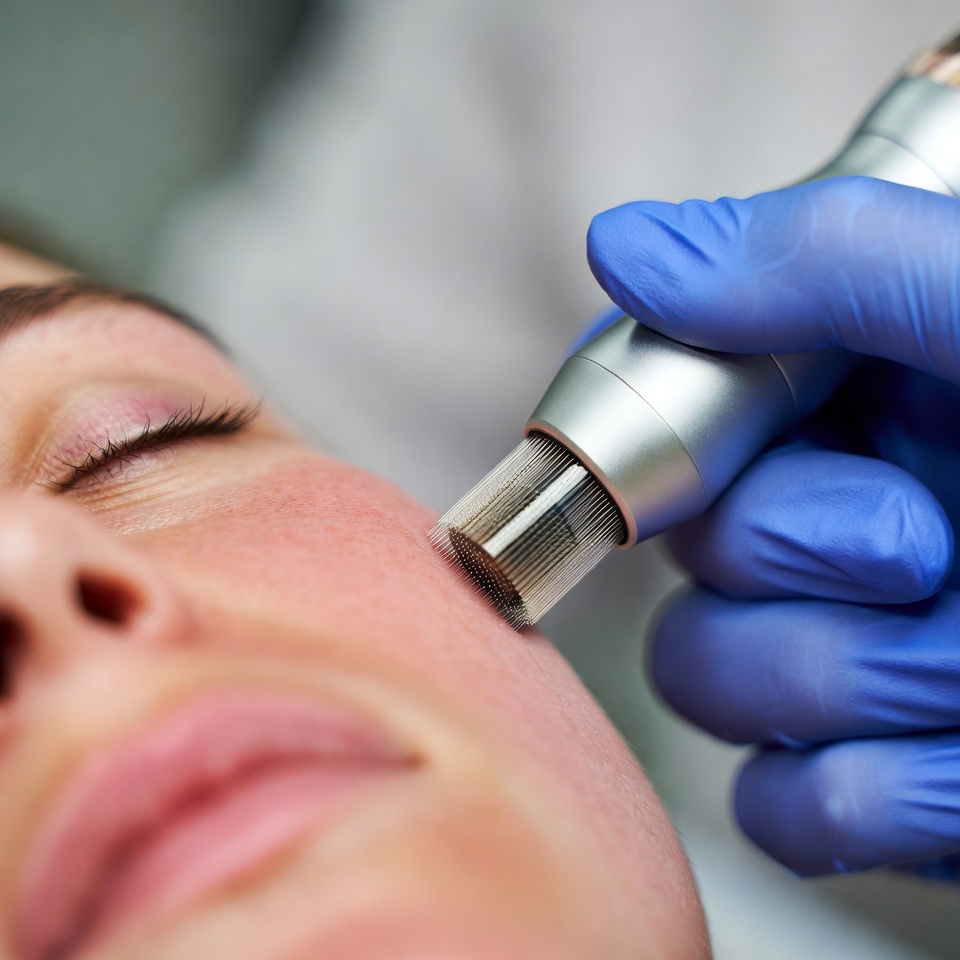
PRP is liquid, which makes it easy to combine with microneedling or treat large areas. PRF ranges from liquid to gel-like, which makes it especially useful for under-eye rejuvenation and targeted volume.
Which One Is Better for You?
The honest answer: neither is universally “better.” The right choice depends on what you’re addressing, how quickly you want results, and what your provider recommends after evaluating your skin or scalp.
PRP may be the better choice if you:
- Want faster initial results, particularly a healthy glow soon after treatment
- Are combining it with microneedling for facial rejuvenation
- Are addressing broad areas like the whole face, neck, or scalp
- Prefer a well-established option with decades of clinical use
PRF may be the better choice if you:
- Want longer-lasting, more gradual results
- Are treating delicate areas like under the eyes or the lips
- Prefer a 100% natural preparation with no additives
- Are focused on hair restoration and want sustained growth factor release
If you’re also weighing other skin-renewing options, our deeper comparison of how collagen-induction therapy stacks up against platelet-based treatments can help clarify which approach — or which combination — fits your goals.
What to Expect During Treatment
Whether you choose PRP or PRF, the appointment itself is straightforward. Your provider draws a small amount of blood, processes it in the centrifuge, and applies or injects the concentrated solution into the treatment area — usually with a topical numbing cream for comfort. Most sessions last under an hour, mild redness or swelling for 24 to 72 hours is normal, and results develop progressively over the following weeks.
Many patients pair regenerative plasma therapy with other refreshers such as expression-line smoothing injectables to address both skin quality and dynamic wrinkles in one overall plan.
Are PRP and PRF Safe?
Because both treatments use your own blood, the risk of allergic reaction or rejection is extremely low — making them among the safest aesthetic options available when performed by a qualified, medically trained provider. That said, certain conditions like blood disorders, active infections, autoimmune diseases, or pregnancy may make these treatments unsuitable, so a thorough consultation is always the first step.
Because these are biological therapies, the outcome depends heavily on how the skin responds — learning more about the body’s own regenerative repair process helps explain why results build gradually over time.
Can You Combine PRP, PRF, and Other Treatments?
Absolutely — combination planning often produces the best outcomes. PRP and PRF both work well alongside microneedling, dermal fillers, PDO threads, and neuromodulators. Your provider will build a plan based on what your skin actually needs.
For example, someone addressing both texture and forehead movement may benefit from a plasma-based session layered with dynamic wrinkle-relaxing injections. The two work on different layers of the skin, so the results complement each other.
Some patients also ask how platelet-based therapies compare to fat transfer or exosome treatments — we’ll explore that in a future guide on advanced regenerative facial treatments.
How Long Do PRP and PRF Results Last?
Results from both treatments typically last 12 to 18 months, depending on age, skin condition, and lifestyle factors. Most patients start with two to three sessions spaced four to six weeks apart, then return once or twice a year for maintenance. PRF’s extended release often translates to slightly longer visible benefits for some patients, though sun protection, hydration, and a quality skincare routine significantly extend results for either option.
Maintenance is why many patients time their plasma sessions around other refreshers, such as routine facial smoothing injections, to keep their look consistent year-round.
Final Thoughts: PRP or PRF?
PRP and PRF are both powerful, natural, and safe treatments for restoring skin, refining texture, and stimulating hair growth. PRP offers a proven track record and faster initial results, while PRF delivers slower, longer-lasting growth factor release with no additives. The best way to decide is to meet with an experienced aesthetic provider who can evaluate your concerns and recommend the option — or combination — that fits your goals.
Frequently Asked Questions
What is the main difference between PRP and PRF?
PRP (Platelet-Rich Plasma) and PRF (Platelet-Rich Fibrin) both use components from your own blood, but PRF contains a higher concentration of fibrin and healing cells. PRF is processed more slowly, which may allow for a more gradual release of growth factors.
Is PRF more natural than PRP?
PRF is often considered more natural because it is prepared without anticoagulants or added chemicals. This allows the fibrin matrix to form naturally during the treatment process.
Which treatment lasts longer, PRP or PRF?
PRF may provide longer-lasting stimulation because it releases growth factors more gradually over time. However, results can vary depending on the treatment area and individual response.
What are PRP and PRF commonly used for?
Both treatments are commonly used for skin rejuvenation, hair restoration, and improving overall skin texture. They may also help support collagen production and tissue healing.
Does PRP or PRF require downtime?
Most patients experience minimal downtime after PRP or PRF treatments. Mild redness, swelling, or tenderness may occur temporarily around the treated area.
How do I choose between PRP and PRF?
The best option depends on your aesthetic goals, treatment area, and provider recommendations. A consultation can help determine which treatment may be more suitable for your needs.
Educational information; your clinician can advise on care that is appropriate for you.