
Getting an aesthetic treatment is exciting. Whether it’s your first time or you’re a returning client, there’s always a level of anticipation — and for good reason. Modern cosmetic procedures can do remarkable things for your appearance. But here’s something many people overlook: how you prepare your skin beforehand can make a significant difference in how well the treatment works and how smoothly your recovery goes.
At Avellina Aesthetics, we believe that an informed client is a confident one. That’s why we’ve put together this comprehensive guide on what to do — and what to avoid — before stepping into any aesthetic procedure.
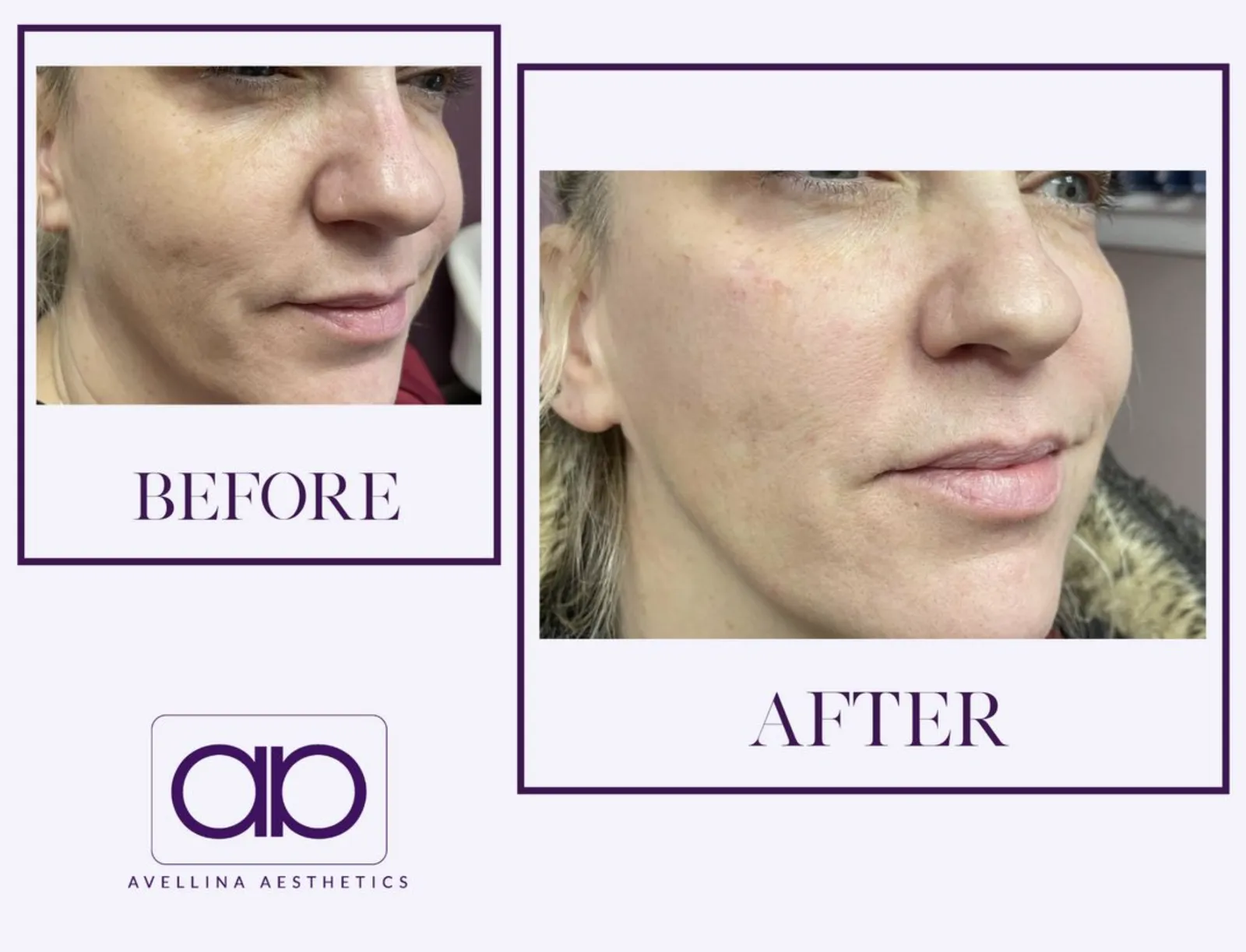
Why Pre-Treatment Skin Preparation Matters
Think of your skin as the canvas and your aesthetic treatment as the artistry applied to it. When the canvas is clean, healthy, and well-prepped, the results are noticeably better. Pre-treatment preparation helps reduce the risk of side effects, shortens recovery time, and maximizes the effectiveness of whatever procedure you’re undergoing.
Whether you’re considering a microneedling session, a round of Botox injections, or a PDO thread lift, the steps you take in the days and weeks leading up to your appointment matter more than most people realize.
General Skin Preparation Tips for Any Aesthetic Procedure
1. Hydrate Inside and Out
Well-hydrated skin is more resilient, heals faster, and responds better to treatment. Start drinking more water at least a week before your appointment — aim for at least eight glasses per day. On the outside, use a gentle, fragrance-free moisturizer daily to keep your skin barrier intact and supple.
2. Protect Yourself from the Sun
Sun-damaged or recently tanned skin is more sensitive and prone to complications after aesthetic procedures. Avoid prolonged sun exposure for at least two weeks before your treatment. If you need to be outdoors, wear SPF 30 or higher every single day — rain or shine. This is especially important if you’re planning any skin-resurfacing or injectable treatment.
3. Pause Certain Skincare Products
Some popular skincare ingredients can thin the skin, increase sensitivity, or interfere with treatment outcomes. In the 5–7 days before your procedure, avoid using:
- Retinoids (like tretinoin or retinol) — they increase cell turnover and skin sensitivity
- Exfoliating acids (AHAs and BHAs like glycolic or salicylic acid) — these can cause irritation
- Vitamin C serums — may cause sensitivity when combined with certain treatments
- Any harsh scrubs or physical exfoliants — these disrupt the skin barrier
If you’re unsure what to stop using, ask your provider ahead of time. They’ll guide you based on your specific procedure.
4. Avoid Blood-Thinning Substances
Bruising is a common concern after injectable treatments. To minimize this risk, avoid the following for at least 48–72 hours before your appointment:
- Alcohol
- Aspirin or ibuprofen (unless prescribed by your doctor)
- Fish oil or omega-3 supplements
- Vitamin E supplements
- Green tea in large amounts
Always consult your physician before stopping any prescribed medication.
5. Don't Try New Products Before Your Treatment
It might be tempting to revamp your skincare routine in anticipation of your appointment, but introducing new products — especially active ones — can cause unexpected reactions. Stick to your regular, well-tolerated routine and save the new additions for after your skin has fully recovered.
Treatment-Specific Preparation Tips
Before Botox or Dermal Fillers
Neurotoxin and filler appointments are among the most popular at aesthetic clinics. To make the most of your session, consider reading our blog post on what to know before getting Botox. A few key pre-care tips include:
- Avoid alcohol for at least 24 hours beforehand
- Don’t schedule your appointment right before a big event — allow time for any minor swelling to resolve
- Come to your appointment with a clean, makeup-free face
- Stay well-rested; fatigue can increase sensitivity
Also, if you’re curious about the range of injectable options available, our guide to the types of dermal fillers can help you understand which formulation might be right for your goals.
Before Microneedling
Microneedling creates controlled micro-injuries to stimulate collagen and elastin production. Because the skin is intentionally disrupted during this procedure, preparation is especially important.
- Stop using retinoids and exfoliants at least one week in advance
- Avoid active breakouts or any open skin lesions in the treatment area
- Don’t use self-tanner for two weeks prior
- Arrive with clean, dry skin — no makeup, lotions, or sunscreen on the day of treatment
Before PRP Treatments
Platelet-rich plasma (PRP) therapy uses your body’s own growth factors to rejuvenate skin and promote tissue repair. Since it’s a biologically based treatment, preparation focuses on keeping your system healthy and your blood volume optimal. If you’re considering this option, our resource on how PRP stimulates natural skin rejuvenation is a great starting point.
- Stay well-hydrated in the days before your appointment
- Eat a full meal 1–2 hours before the treatment to maintain blood sugar
- Avoid blood-thinning medications, alcohol, and supplements for 72 hours
- Get a good night’s sleep the night before
Before a PDO Thread Lift
Thread lifts involve inserting dissolvable threads under the skin to lift and tighten. The skin should be in optimal condition before this treatment to support the lifting effect and minimize complications.
- Avoid dental procedures for two weeks before, as jaw movement can affect thread placement
- Stop blood-thinning supplements and medications as directed by your provider
- Plan for a few days of limited physical activity after the procedure
- Avoid smoking — it impairs circulation and slows healing
Day-Of Skin Prep: What to Do the Morning of Your Appointment
A few simple habits on the day of your treatment can set you up for the best possible experience:
- Cleanse your face gently with a mild, non-active cleanser
- Skip all makeup, serums, oils, and moisturizers unless instructed otherwise
- Wear comfortable, loose-fitting clothing — especially if you’re having a body treatment
- Eat a light meal and stay hydrated
- Arrive a few minutes early and bring a list of any medications or supplements you’re taking
If you’re not yet sure which treatment matches your concerns, our blog on how to choose the right treatment for your skin goals walks through the decision-making process in a clear, practical way.
Common Pre-Treatment Mistakes to Avoid
- Skipping the consultation. Always complete a thorough consultation with your provider before any procedure. This is your opportunity to disclose your health history, current medications, allergies, and goals. Meeting Dr. Violetta Berdichevskaya beforehand gives you a personalized plan, not a one-size-fits-all approach.
- Going in with irritated skin. If you have a recent sunburn, rash, cold sore, or active breakout, reschedule. Treating compromised skin increases the risk of complications.
- Ignoring aftercare instructions. Pre-care and post-care go hand in hand. Ask your provider for aftercare guidelines before your appointment so you’re prepared when you walk out.
- Unrealistic expectations. Great preparation helps optimize results, but it doesn’t guarantee overnight transformation. Be patient and follow up with your provider as recommended.
How Lifestyle Factors Affect Your Skin’s Readiness
Your skin doesn’t exist in a vacuum — everything from your sleep habits to your stress levels can influence how your skin responds to aesthetic treatments. Here’s what to keep in mind:
- Sleep: Aim for 7–9 hours the night before your appointment. Sleep is when the body repairs itself, and rested skin responds better to treatments.
- Stress: High stress levels trigger cortisol, which can cause inflammation and slow healing. If possible, avoid scheduling treatments during particularly stressful periods.
- Diet: A clean, anti-inflammatory diet rich in fruits, vegetables, and lean protein supports skin health. In the days leading up to your treatment, limit processed foods, alcohol, and high-sodium meals that can cause puffiness.
- Smoking: Smoking restricts blood flow to the skin and significantly impairs healing. Ideally, stop or reduce smoking at least two weeks before any aesthetic procedure.
Work With a Trusted Aesthetic Provider for the Best Results
Preparation can only take you so far — the expertise of your provider is equally essential. At Avellina Aesthetics, every treatment plan starts with an in-depth consultation to assess your skin condition, understand your goals, and customize the approach to your individual needs.
Our team stays current on the latest advancements in aesthetic medicine. If you’re interested in seeing what’s trending in the field, our roundup of top aesthetic trends shaping the future of beauty is worth a read. It’s a great way to get inspired and informed before your next appointment.
Ready to take the next step? Schedule your consultation today and let our team help you put your best face forward.
Final Thoughts
Taking the time to properly prepare your skin before an aesthetic treatment is one of the smartest investments you can make. It protects your health, improves your results, and ensures a smoother, more comfortable experience from start to finish.
Avellina Aesthetics is here to guide you every step of the way — from pre-treatment preparation to post-procedure care. If you have questions about an upcoming appointment or you’re ready to explore your options, don’t hesitate to get in touch with our team.