
When people think about losing weight, exercise often takes center stage. But the truth is, what you eat plays a far more significant role in your overall results than most people realize. Whether you are just starting your weight loss journey or you have hit a frustrating plateau, understanding how your diet shapes your outcomes can make all the difference.
At Avellina Aesthetics, we take a comprehensive approach to body transformation. Our medical weight loss program combines personalized nutrition guidance, physician oversight, and proven treatments to help patients achieve lasting, sustainable results — not just temporary fixes.
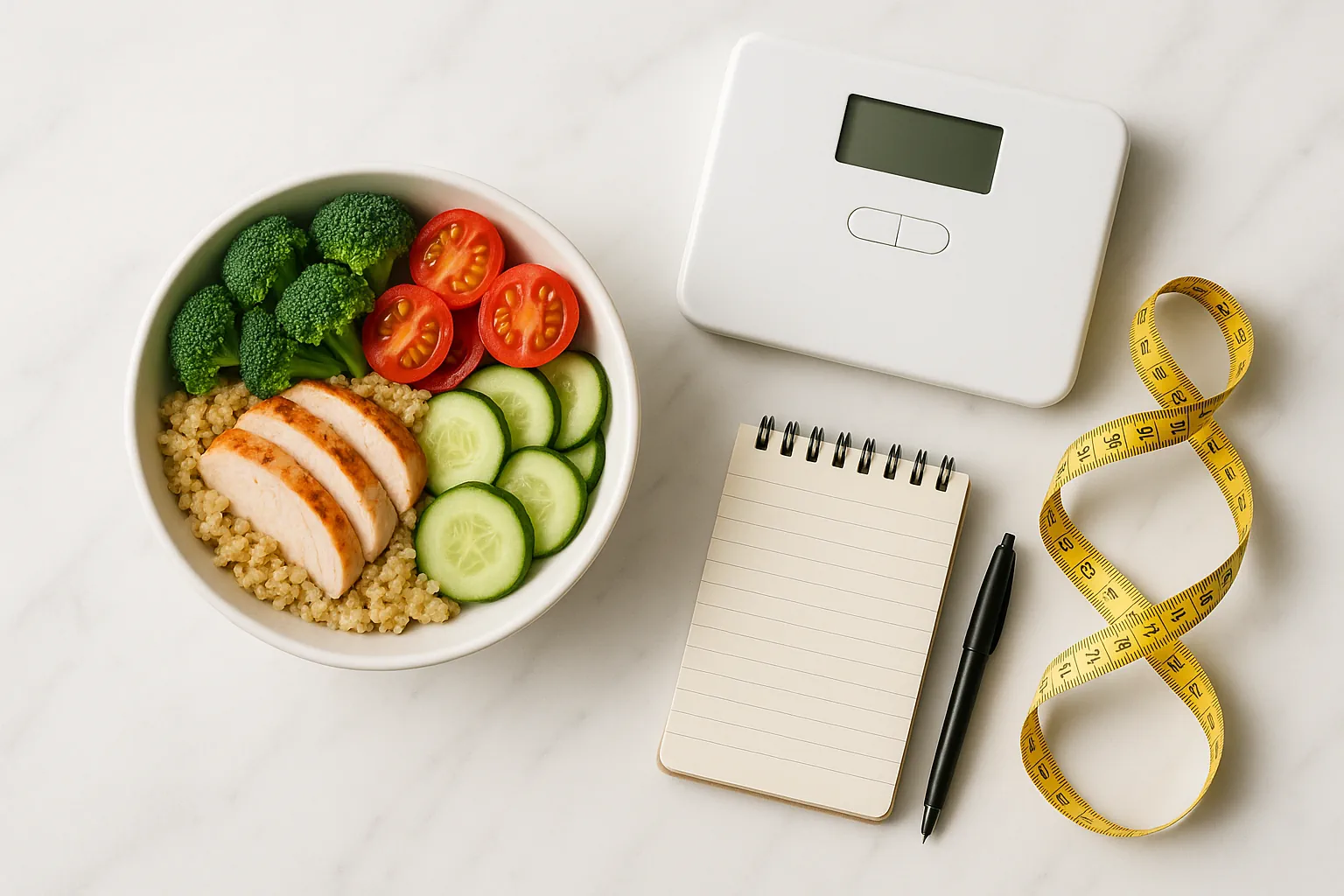
Why Diet Is the Foundation of Weight Loss
Your body runs on energy, and the food you consume is its primary fuel source. When you consistently take in more calories than your body burns, those extra calories get stored as fat. The reverse is also true — when you create a caloric deficit, your body begins burning stored fat for energy. This is the fundamental equation behind weight loss.
But it is not just about calories in versus calories out. The quality of the food you eat, the timing of your meals, and the balance of macronutrients all play a crucial role in how efficiently your body sheds excess weight.
Key Dietary Factors That Influence Weight Loss
1. Caloric Intake and Deficit
Creating a moderate caloric deficit is the cornerstone of any effective weight loss plan. Most health professionals recommend aiming for a deficit of 500 to 750 calories per day, which typically translates to about one to one and a half pounds of weight loss per week. Cutting too drastically can backfire by slowing your metabolism and causing muscle loss.
2. Macronutrient Balance
The three macronutrients — protein, carbohydrates, and fats — each serve specific functions in the body. A balanced intake helps optimize weight loss:
- Protein supports muscle retention, keeps you fuller longer, and has a higher thermic effect (meaning your body burns more calories digesting it).
- Carbohydrates provide energy, but the type matters. Complex carbs from vegetables, legumes, and whole grains digest slowly and help prevent blood sugar spikes.
- Healthy fats from sources like avocado, nuts, and olive oil are essential for hormone regulation and help you stay satiated between meals.
3. Sugar and Processed Food Consumption
One of the biggest dietary culprits behind weight gain is excessive sugar and highly processed foods. These items tend to be calorie-dense yet nutrient-poor, meaning they provide little satisfaction while adding quickly to your daily caloric load. Reducing refined sugars and processed snacks can lead to noticeable improvements in both weight and energy levels.
4. Fiber Intake
Dietary fiber is a powerful tool for weight management. Foods high in fiber, such as vegetables, fruits, beans, and whole grains, slow digestion, support gut health, and help regulate appetite. Increasing your fiber intake is one of the simplest dietary shifts you can make to start seeing results.
5. Hydration and Its Role in Metabolism
Many people underestimate the connection between water intake and weight loss. Staying well hydrated supports metabolic function, helps curb hunger (thirst is often mistaken for hunger), and assists in the efficient breakdown of fat. Aim to drink plenty of water throughout the day, especially before meals.
6. Meal Timing and Frequency
While total caloric intake is the primary driver, meal timing can also influence how your body uses and stores energy. Eating regular, balanced meals throughout the day helps prevent the extreme hunger that often leads to overeating. Some individuals also benefit from time-restricted eating or intermittent fasting, though the right approach varies by person.
How Different Diets Compare for Weight Loss
There is no shortage of popular diet plans — keto, Mediterranean, paleo, intermittent fasting, and more. Each has merits and limitations depending on your individual health profile, lifestyle, and preferences. Rather than chasing the latest trend, it is more effective to work with a medical professional who can design a personalized nutrition plan tailored specifically to your body and goals.
Some general principles that most successful dietary approaches share:
- An emphasis on whole, minimally processed foods
- Adequate protein to support lean muscle mass
- Controlled portions without severe caloric restriction
- Consistency over perfection — sustainable habits win long-term
When Diet Alone Is Not Enough
For some individuals, dietary changes alone may not produce the desired results. Underlying health conditions such as thyroid dysfunction, insulin resistance, or hormonal imbalances can interfere with the body’s ability to lose weight effectively. If you are eating well and exercising but not seeing progress, it may be time to explore a medically supervised weight loss approach.
At Avellina Aesthetics, our physician-led program includes comprehensive metabolic evaluations and, when appropriate, prescription options like semaglutide injections — an FDA-approved GLP-1 receptor agonist that works alongside dietary changes to suppress appetite and improve metabolic health. When combined with a thoughtfully structured nutrition plan, the results can be significantly more effective than diet alone.
Practical Tips for Improving Your Diet to Accelerate Weight Loss
Here are straightforward changes you can start implementing today:
- Plan your meals in advance to avoid impulse eating and reduce reliance on fast food or processed options.
- Read nutrition labels to become more aware of hidden sugars, sodium, and unhealthy fats in packaged foods.
- Prioritize protein at every meal to stay full and protect muscle mass during weight loss.
- Eat slowly and mindfully — it takes about 20 minutes for your brain to register fullness.
- Limit liquid calories from sodas, juices, specialty coffees, and alcohol, which add up quickly without providing satiety.
- Cook at home more often — home-cooked meals are generally lower in calories and allow you to control ingredients.
The Role of Nutrition in Long-Term Weight Maintenance
Losing weight is one challenge — keeping it off is another. Many people experience the frustrating cycle of losing weight only to regain it within months. The key to breaking this cycle is building dietary habits that are realistic, enjoyable, and flexible enough to maintain for the long term.
This means avoiding overly restrictive diets that lead to rebound overeating, and instead focusing on a balanced lifestyle approach. Working with a knowledgeable team — like the one at Avellina Aesthetics — ensures that you receive ongoing support and plan adjustments as your body changes over time.
Additionally, for patients interested in supporting their body composition goals beyond diet, our team can discuss complementary options covered in our overview of medical weight loss options at Avellina Aesthetics.
Ready to take a smarter approach to weight loss? The team at Avellina Aesthetics is here to help. Schedule a consultation and discover how a physician-guided nutrition and weight loss plan can get you to your goals — safely, effectively, and sustainably.